Garcilaso de la Vega
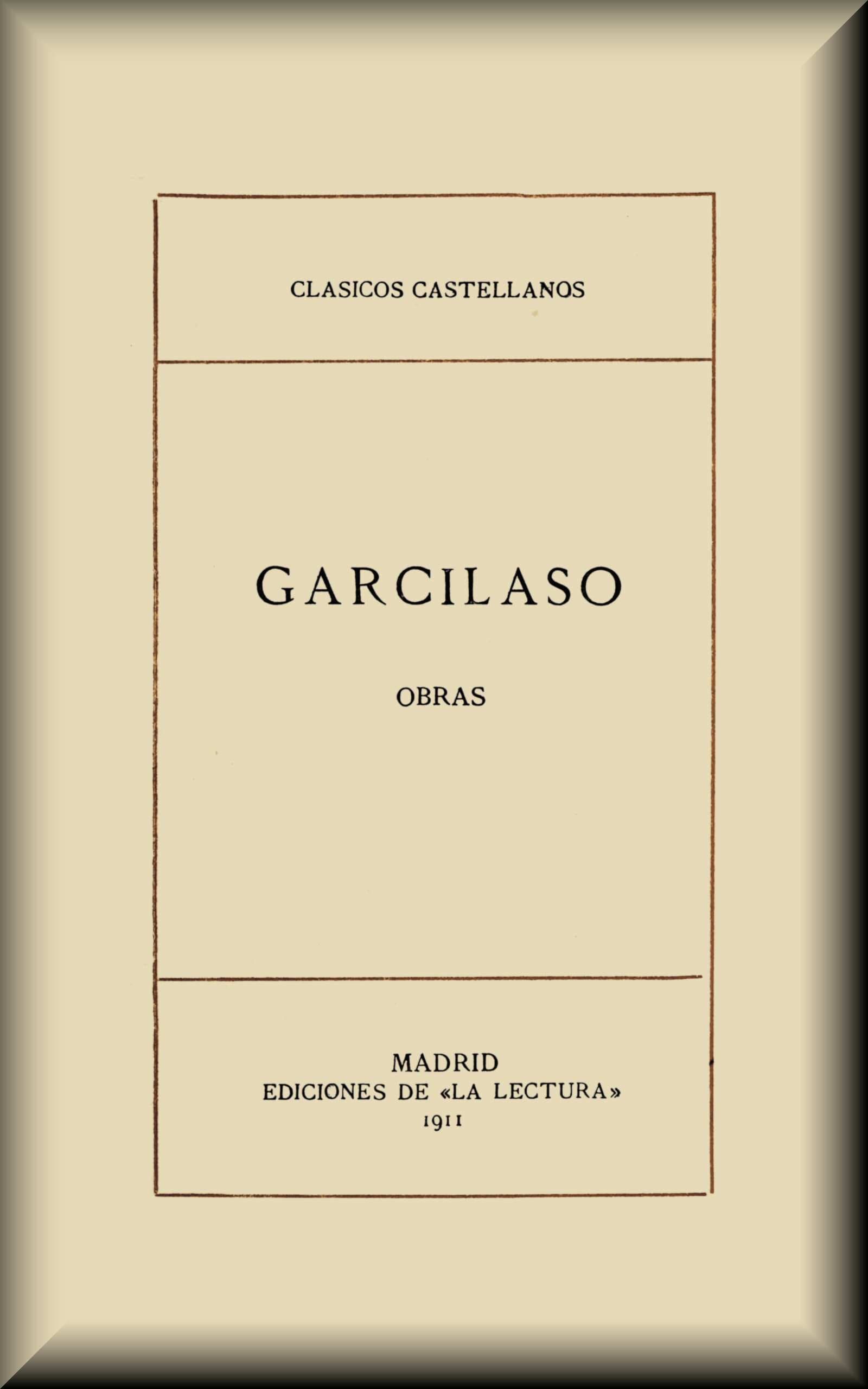
Garcilaso de la Vega was a prominent figure of the Spanish Renaissance, celebrated for his contributions to poetry and prose. Born in the Viceroyalty of Peru, he was the son of a Spanish conquistador and an Incan princess, which profoundly influenced his identity and literary voice. After moving to Spain at the age of 21, he became immersed in the cultural currents of the time, producing works that blended classical forms with themes from his native heritage. His poetry, particularly the sonnets and eclogues, showcased his mastery of the Petrarchan style, while also reflecting the complexities of his bicultural background. Among his notable works are the sonnets "Soneto XXVI" and "Soneto XXV," which explore themes of love and nature with emotional depth and technical precision. Garcilaso's writings not only enriched the Spanish literary canon but also paved the way for future generations of poets. His ability to navigate and synthesize two distinct cultural worlds made him a unique voice of his time, and his legacy endures as a bridge between the classical traditions of Europe and the rich heritage of the Americas.
Famous Quotes
View all 3 quotes“For you was I born, for you do I have life, for you will I die, for you am I now dying.”
“Well may you do this to one who can endure it.”
“With this idea, being a man with long experience of the sea (and they certainly have a great advantage over other men in any sort of task)...”
Books from the author




Link to this page
Add a free, dofollow link to Lex on your blog, forum, syllabus, or reading list.

<a href="https://lex-books.com/author/garcilaso-de-la-vega"><img src="https://lex-books.com/badges/read-on-lex.svg" alt="Garcilaso de la Vega on Lex" width="160" height="40"></a>[](https://lex-books.com/author/garcilaso-de-la-vega)[url=https://lex-books.com/author/garcilaso-de-la-vega][img]https://lex-books.com/badges/read-on-lex.svg[/img][/url]Garcilaso de la Vega on Lex: https://lex-books.com/author/garcilaso-de-la-vega