
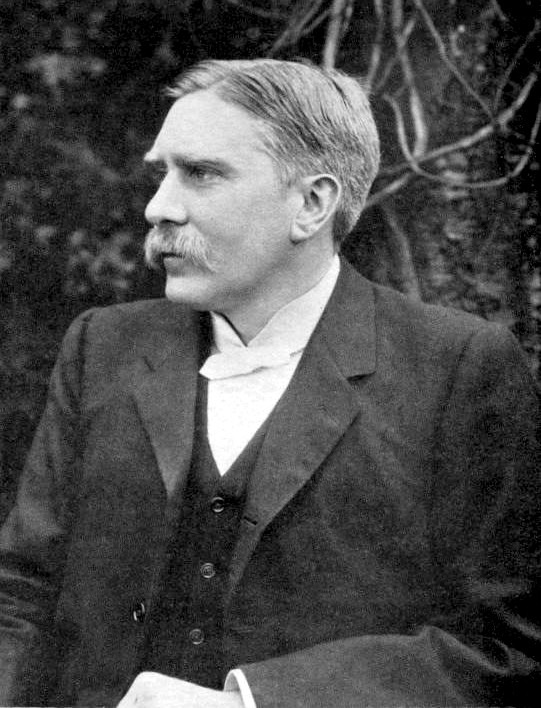
G. R. S. Mead
G. R. S. Mead was a prominent British scholar, writer, and esotericist known for his extensive work on Gnosticism and early Christianity. Born in 1863, he was a key figure in the Theosophical Society and contributed significantly to the understanding of ancient religious texts. Mead's scholarly pursuits led him to explore the mystical aspects of various traditions, particularly the Gnostic texts, which he believed held profound spiritual truths. His notable works include 'Fragments of a Faith Forgotten' and 'The Gnostic John the Baptizer,' where he delved into the complexities of Gnostic thought and its implications for modern spirituality. Mead's writings not only illuminated the rich tapestry of early Christian thought but also influenced contemporary discussions on spirituality and religion. His ability to synthesize ancient wisdom with modern philosophical inquiries made him a significant figure in the study of mysticism and esotericism. Despite being less known today, his contributions to the understanding of Gnosticism and his role in the Theosophical movement have left a lasting impact on the fields of religious studies and philosophy, marking him as an important voice in the exploration of spiritual knowledge in the early 20th century.
Famous Quotes
View all 6 quotes“How then can men describe the universe, except by their inscribing of themselves upon the fields of space? To describe the universe as it is they must become the universe, and then they will describe themselves; and to describe themselves they will be able to discover no better way than that in which the universe gives utterance to itself. It speaks perpetually the Language of the Gods, the Universal Tongue, for it is God for ever giving utterance unto Himself.””
“For body's sleep became the soul's awakening, and closing of the eyes − true vision””
Books from the author










Link to this page
Add a free, dofollow link to Lex on your blog, forum, syllabus, or reading list.

<a href="https://lex-books.com/author/g-r-s-mead"><img src="https://lex-books.com/badges/read-on-lex.svg" alt="G. R. S. Mead on Lex" width="160" height="40"></a>[](https://lex-books.com/author/g-r-s-mead)[url=https://lex-books.com/author/g-r-s-mead][img]https://lex-books.com/badges/read-on-lex.svg[/img][/url]G. R. S. Mead on Lex: https://lex-books.com/author/g-r-s-mead