
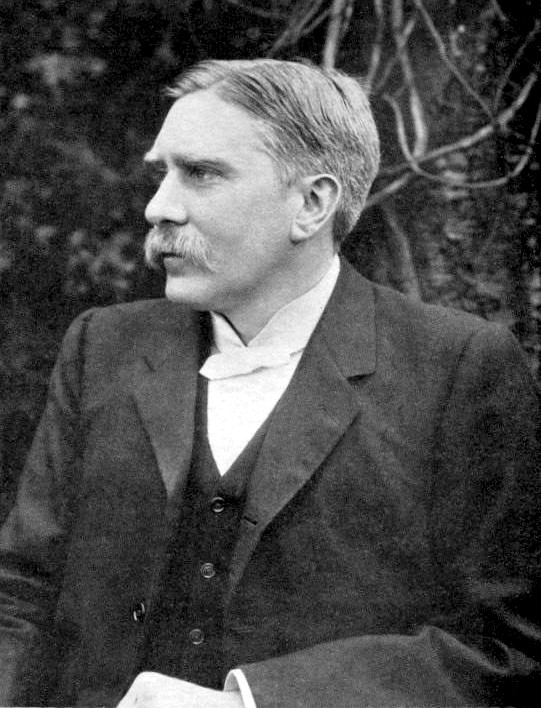
G. E. Moore
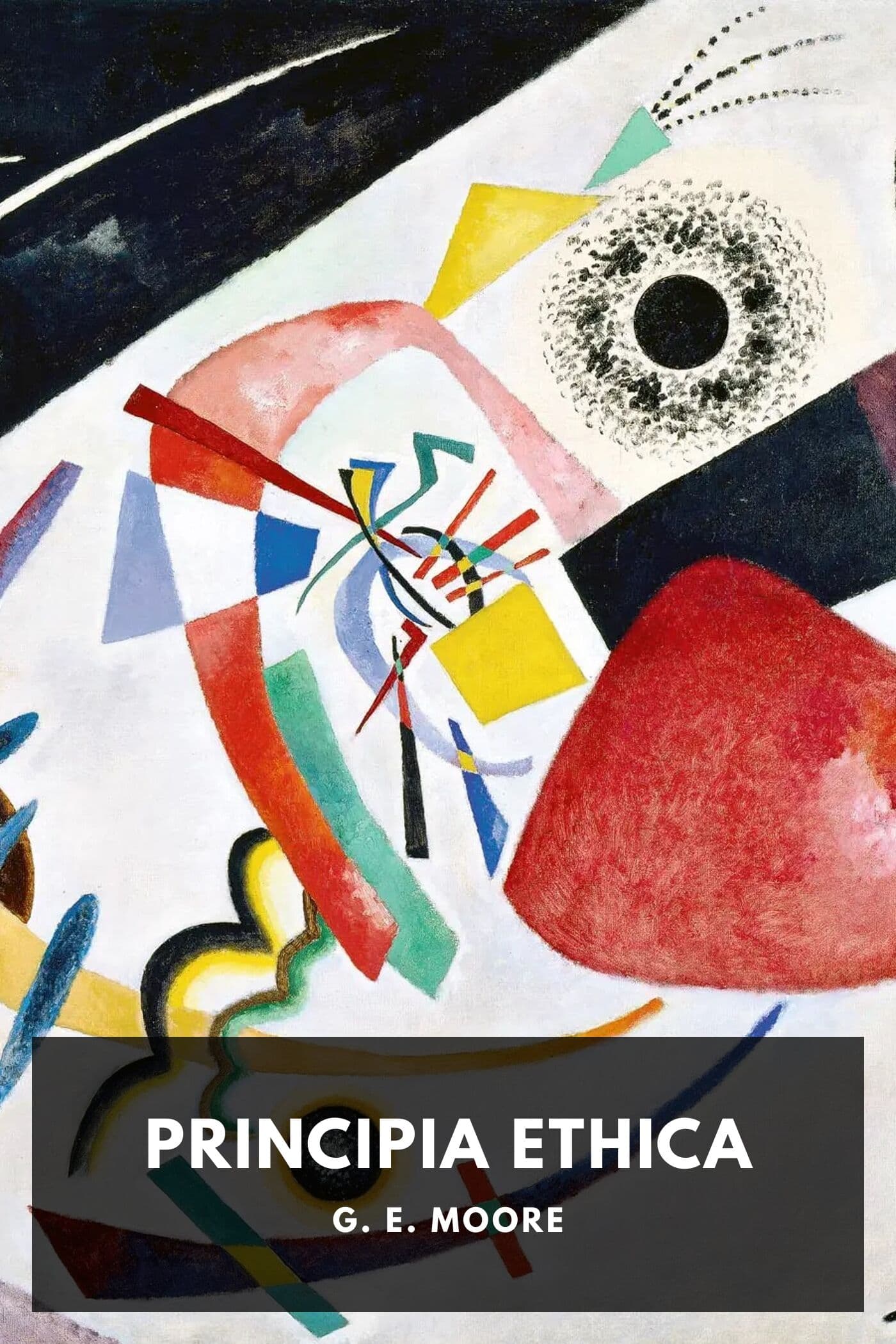
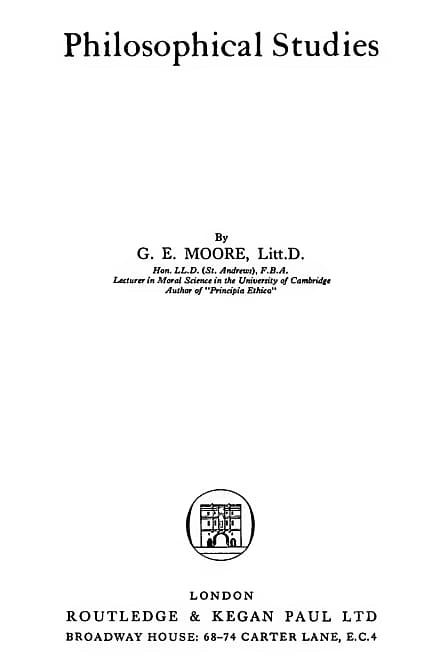
G. E. Moore was a prominent British philosopher, best known for his influential contributions to ethics and epistemology. Born in 1873, he became a key figure in the early 20th-century analytic philosophy movement. His seminal work, 'Principia Ethica,' published in 1903, challenged the prevailing ethical theories of his time by introducing the concept of 'non-naturalism' and arguing for the intrinsic value of certain experiences. Moore's famous 'open question argument' questioned the equating of moral properties with natural properties, significantly shaping moral philosophy and influencing subsequent thinkers, including the likes of W. D. Ross and A. J. Ayer. In addition to 'Principia Ethica,' Moore's 'Philosophical Studies,' published in 1922, further established his reputation as a rigorous and innovative philosopher. This collection of essays tackled various philosophical issues, including the nature of truth and the analysis of language. Moore's insistence on clarity and precision in philosophical discourse laid the groundwork for later developments in analytic philosophy. His legacy endures in the fields of ethics and philosophy of language, where his ideas continue to provoke discussion and debate among scholars and students alike.
Famous Quotes
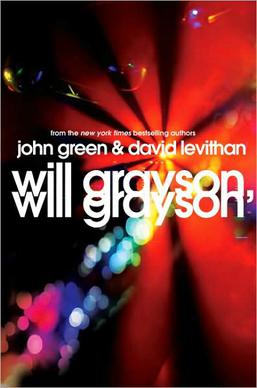
View all 15 quotes“Joshua's ministry was three years of preaching, sometimes three times a day, and although there were some high and low points, I could never remember the sermons word for word, but here's the gist of almost every sermon I ever heard Joshua give.You should be nice to people, even creeps.And if you:a) believed that Joshua was the Son of God (and)b) he had come to save you from sin (and)c) acknowledged the Holy Spirit within you (became as a little child, he would say) (and)d) didn't blaspheme the Holy Ghost (see c)then you would:e) live foreverf) someplace niceg) probably heavanHowever, if you:h) sinned (and/or)i) were a hypocrite (and/or)j) valued things over people (and)k) didn't do a, b, c, and d,then you were:l) fucked””
“...fiction is as useful as truth, for giving us matter, upon which to exercise the judgment of value.””
“If i am asked 'what is good? my answer is that good is good, and that is the end of the matter. Or if I am asked 'How is good to be defined?' my answer is that it cannot be defined, and that is all I have to say about it””
Books from the author






Link to this page
Add a free, dofollow link to Lex on your blog, forum, syllabus, or reading list.

<a href="https://lex-books.com/author/g-e-moore"><img src="https://lex-books.com/badges/read-on-lex.svg" alt="G. E. Moore on Lex" width="160" height="40"></a>[](https://lex-books.com/author/g-e-moore)[url=https://lex-books.com/author/g-e-moore][img]https://lex-books.com/badges/read-on-lex.svg[/img][/url]G. E. Moore on Lex: https://lex-books.com/author/g-e-moore