Der Gastfreund
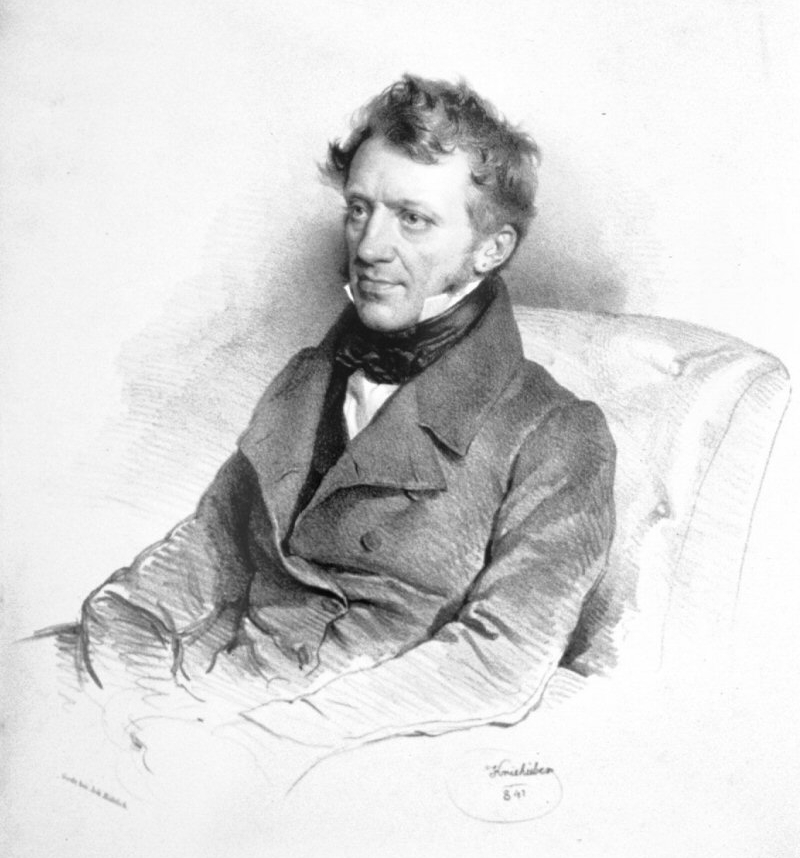
Franz Grillparzer's 1835 tragedy reimagines the myth of Phryxus and Medea as a stark meditation on the sanctity of hospitality and the corruption of vengeance. When the Greek exile Phryxus arrives at the court of Kolchis seeking refuge, King Aietes extends the hand of guest-friendship. But this welcome conceals a thirst for blood: Aietes sees in Phryxus not a supplicant but an opportunity to settle ancient scores and seize the golden fleece. His daughter Medea, caught between filial duty and nascent conscience, attempts to shield the innocent stranger, warning him of her father's treachery. Yet the king's murder of his guest breaks a law older than the gods themselves, unleashing a curse that will consume both the murderer and his line. Grillparzer, Austria's greatest classical dramatist, wrote in the aftermath of political disillusionment, and the play burns with that anger. The guest-friendship violated here is not merely personal but foundational, the sacred bond that held ancient society together. When Aietes breaks it, he doesn't just murder a man, he tears the fabric of cosmic order. The play asks whether vengeance can ever be satisfied, whether blood once spilled ever stops demanding more. Its power lies in the darkness it refuses to soften: the foreboding ending offers no redemption, only the certainty that the curse will echo through generations.
Editions
X-Ray
“Jason: Auf Wiedersehn!(Springt von einer Klippe ins Meer)””
— Franz Grillparzer
Link to this book
Add a free, dofollow link to Lex on your blog, forum, syllabus, or reading list.

<a href="https://lex-books.com/book/der-gastfreund-158ca45d-3f63-4225-9a81-fd1e172fdb60"><img src="https://lex-books.com/badges/read-on-lex.svg" alt="Read Der Gastfreund by Franz Grillparzer free on Lex" width="160" height="40"></a>[](https://lex-books.com/book/der-gastfreund-158ca45d-3f63-4225-9a81-fd1e172fdb60)[url=https://lex-books.com/book/der-gastfreund-158ca45d-3f63-4225-9a81-fd1e172fdb60][img]https://lex-books.com/badges/read-on-lex.svg[/img][/url]Read Der Gastfreund by Franz Grillparzer free on Lex: https://lex-books.com/book/der-gastfreund-158ca45d-3f63-4225-9a81-fd1e172fdb60Cite this book
Reading this edition for a paper or guide? Copy a citation.
Grillparzer, Franz. Der Gastfreund. Lex, lex-books.com/book/der-gastfreund-158ca45d-3f63-4225-9a81-fd1e172fdb60.Grillparzer, F. (n.d.). Der Gastfreund. Lex. https://lex-books.com/book/der-gastfreund-158ca45d-3f63-4225-9a81-fd1e172fdb60Grillparzer, Franz. Der Gastfreund. Lex. https://lex-books.com/book/der-gastfreund-158ca45d-3f63-4225-9a81-fd1e172fdb60.