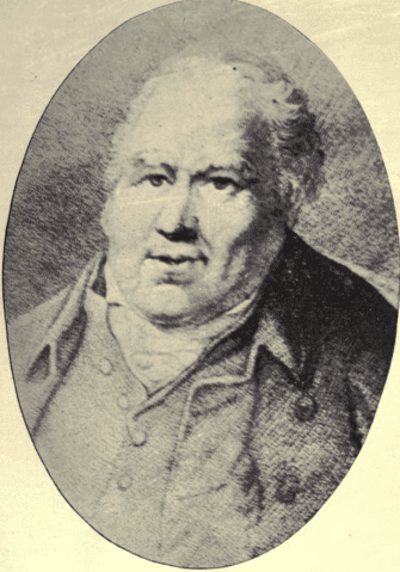
Francis Legge
Francis Legge (c. 1719–15 May 1783) was a British military officer and colonial official in Nova Scotia during the 18th century. He served as governor of Nova Scotia from 1772 to 1776. During the American Revolution, Legge raised the Royal Nova Scotia Volunteer Regiment. Legge had served in the territory during the Seven Years' War "without distinction or promotion". However, Legge happened to be a relative of the Earl of Dartmouth. Major Legge was appointed vice-roy of Nova Scotia by Colonial Secretary William Legge, 2nd Earl of Dartmouth in 1773. He arrived in Halifax on the Adamant on 6 October 1773 with orders to determine what were the financial difficulties in Nova Scotia and cure them. He proceeded to cut unnecessary expenses and tried to keep the province loyal to Britain. According to one account:
Famous Quotes
View all 1 quotes“Some books are to be tasted, others to be swallowed, and some few to be chewed and digested; that is, some books are to be read only in parts; others to be read, but not curiously; and some few to be read wholly, and with diligence and attention. Some books also may be read by deputy, and extracts made of them by others; but that would be only in the less important arguments, and the meaner sort of books, else distilled books are like common distilled waters, flashy things. Reading maketh a full man; conference a ready man; and writing an exact man. And therefore, if a man write little, he had need have a great memory; if he confer little, he had need have a present wit: and if he read little, he had need have much cunning, to seem to know, that he doth not. Histories make men wise; poets witty; the mathematics subtile; natural philosophy deep; moral grave; logic and rhetoric able to contend.----Alcuni libri devono essere gustati, altri masticati e digeriti, vale a dire che alcuni libri vanno letti solo in parte, altri senza curiosità, e altri per intero, con diligenza ed attenzione. Alcuni libri possono essere letti da altri e se ne possono fare degli estratti, ma ciò riguarderebbe solo argomenti di scarsa importanza o di libri secondari perché altrimenti i libri sintetizzati sono come l’acqua distillata, evanescente. La lettura completa la formazione di un uomo; il parlare lo fa abile, e la scrittura lo trasforma in un uomo preciso. E, pertanto, se un uomo scrive poco, deve avere una grande memoria, se parla poco ha bisogno di uno spirito arguto; se legge poco deve avere bisogno di molta astuzia in modo da far sembrare di sapere quello che non sa. Le storie fanno gli uomini saggi; i poeti arguti; la matematica sottile; la filosofia naturale profondi; la logica e la retorica abili nella discussione.””
Books from the author

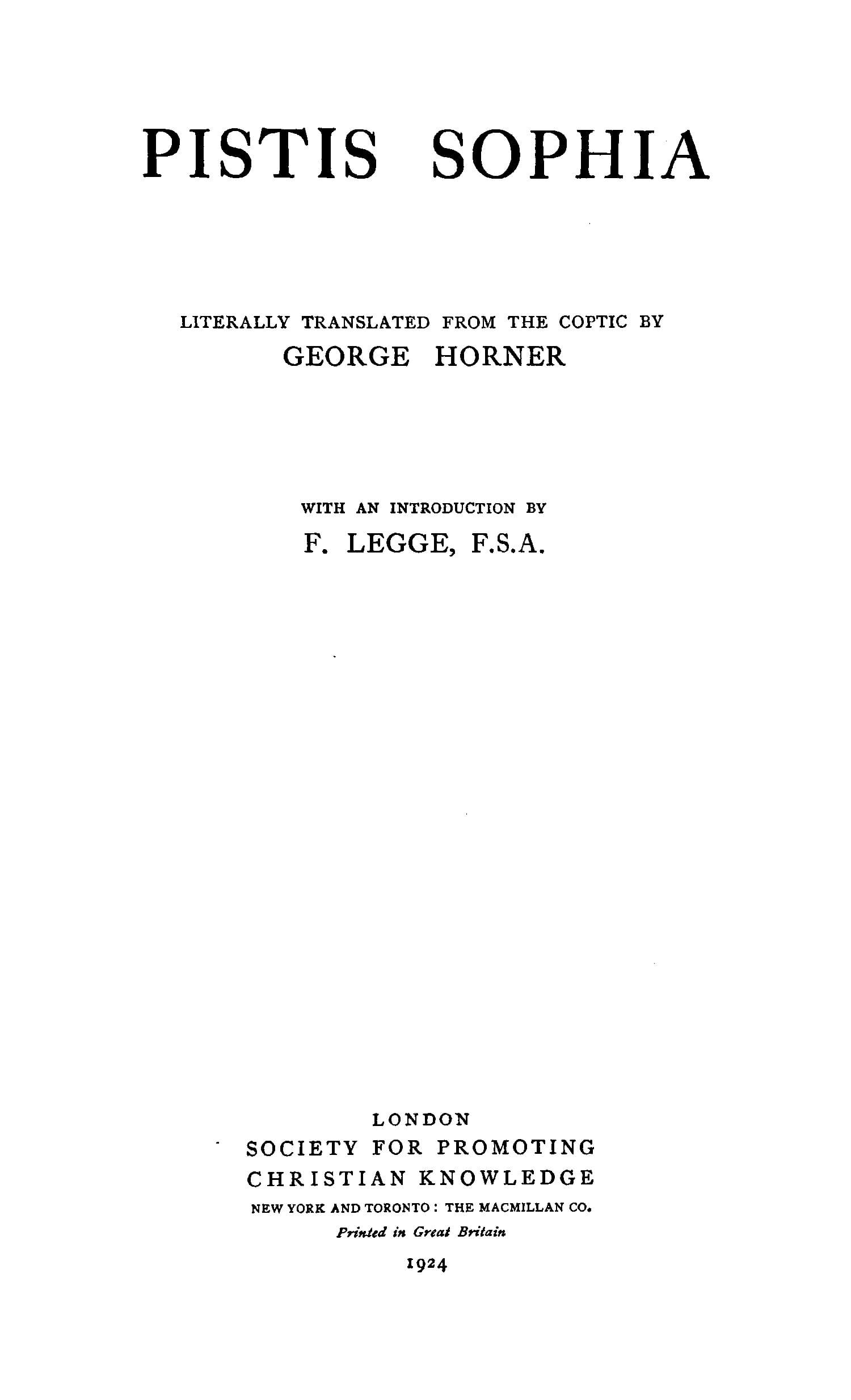
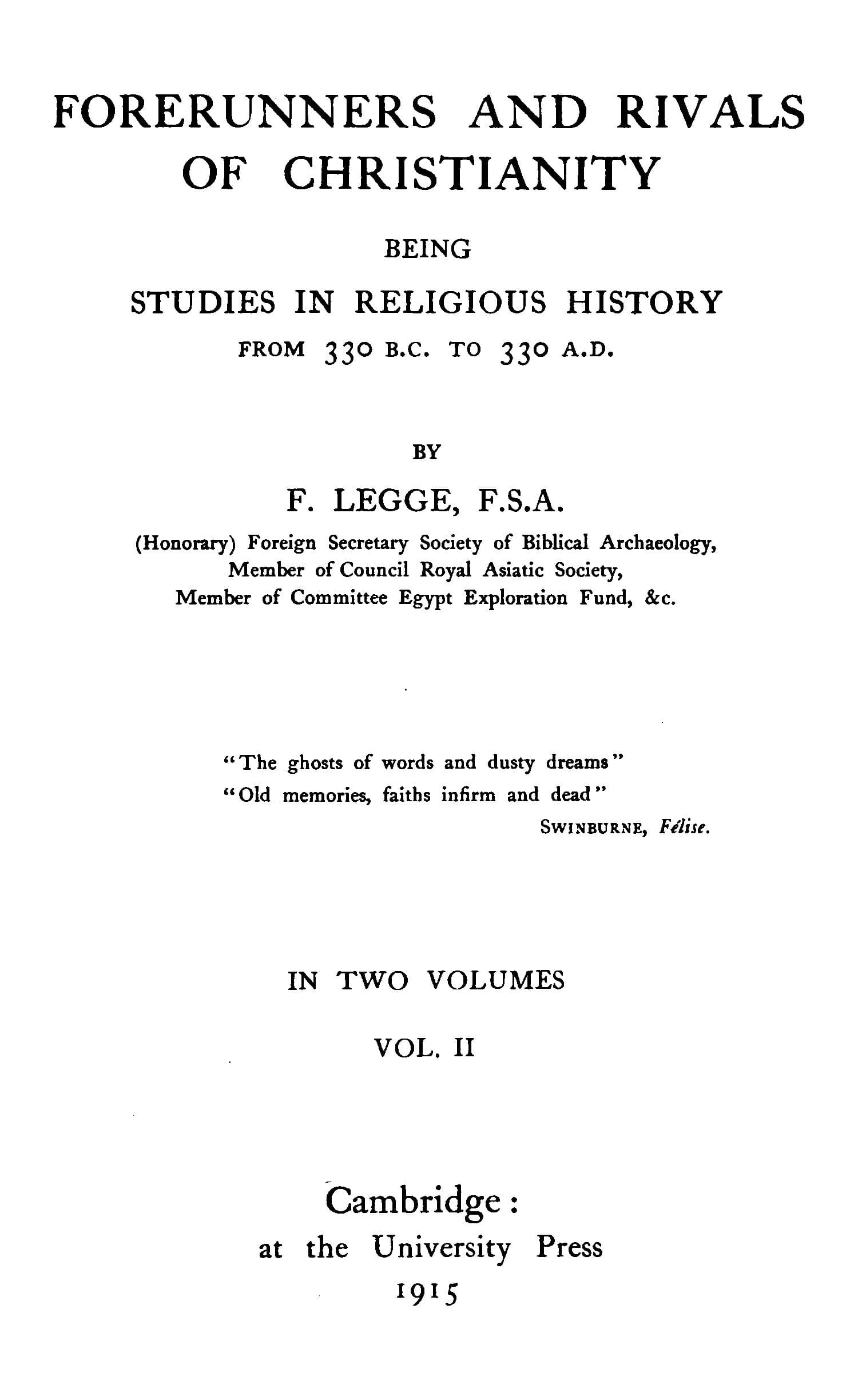
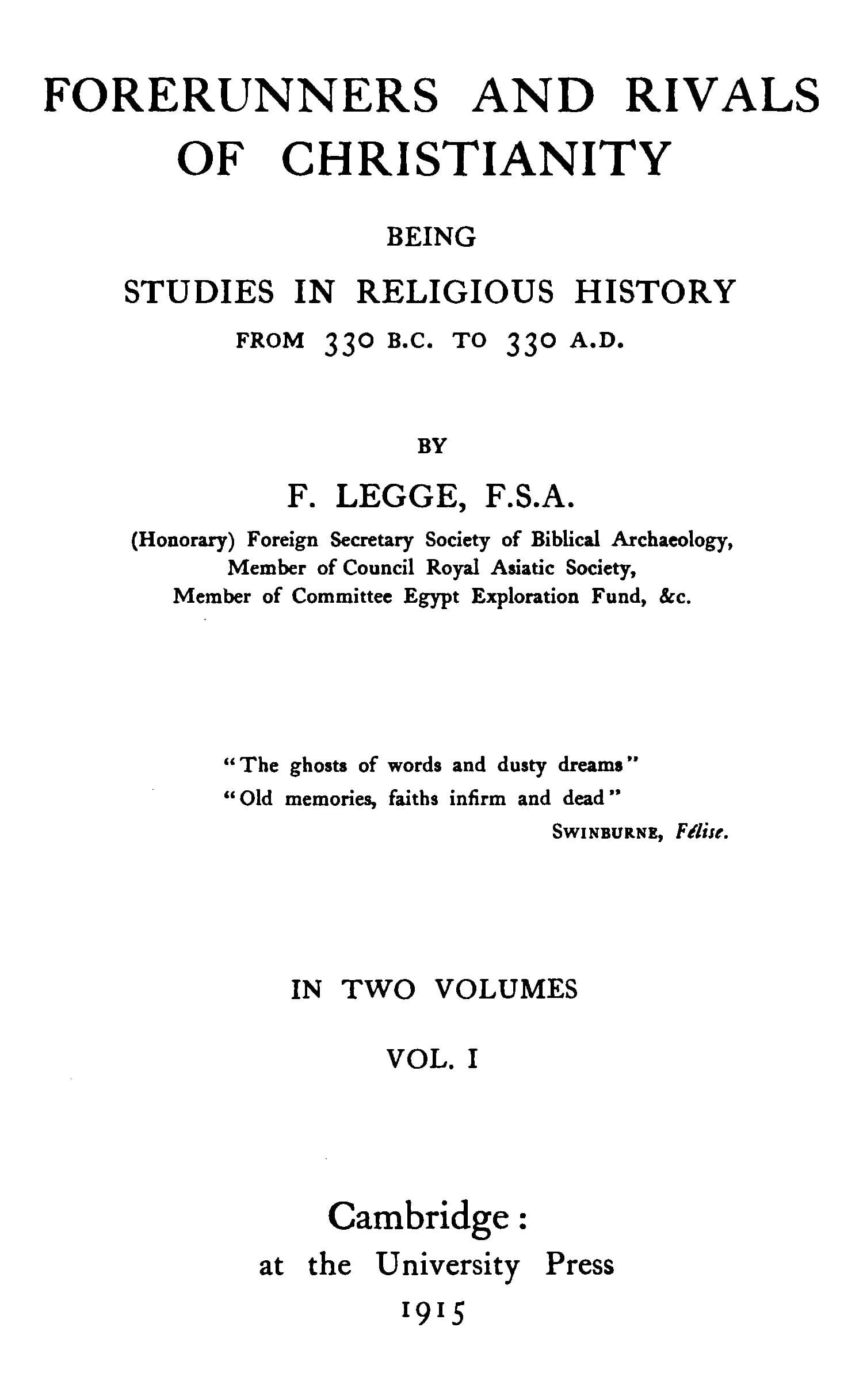

Link to this page
Add a free, dofollow link to Lex on your blog, forum, syllabus, or reading list.

<a href="https://lex-books.com/author/francis-legge"><img src="https://lex-books.com/badges/read-on-lex.svg" alt="Francis Legge on Lex" width="160" height="40"></a>[](https://lex-books.com/author/francis-legge)[url=https://lex-books.com/author/francis-legge][img]https://lex-books.com/badges/read-on-lex.svg[/img][/url]Francis Legge on Lex: https://lex-books.com/author/francis-legge