
Felix Adler
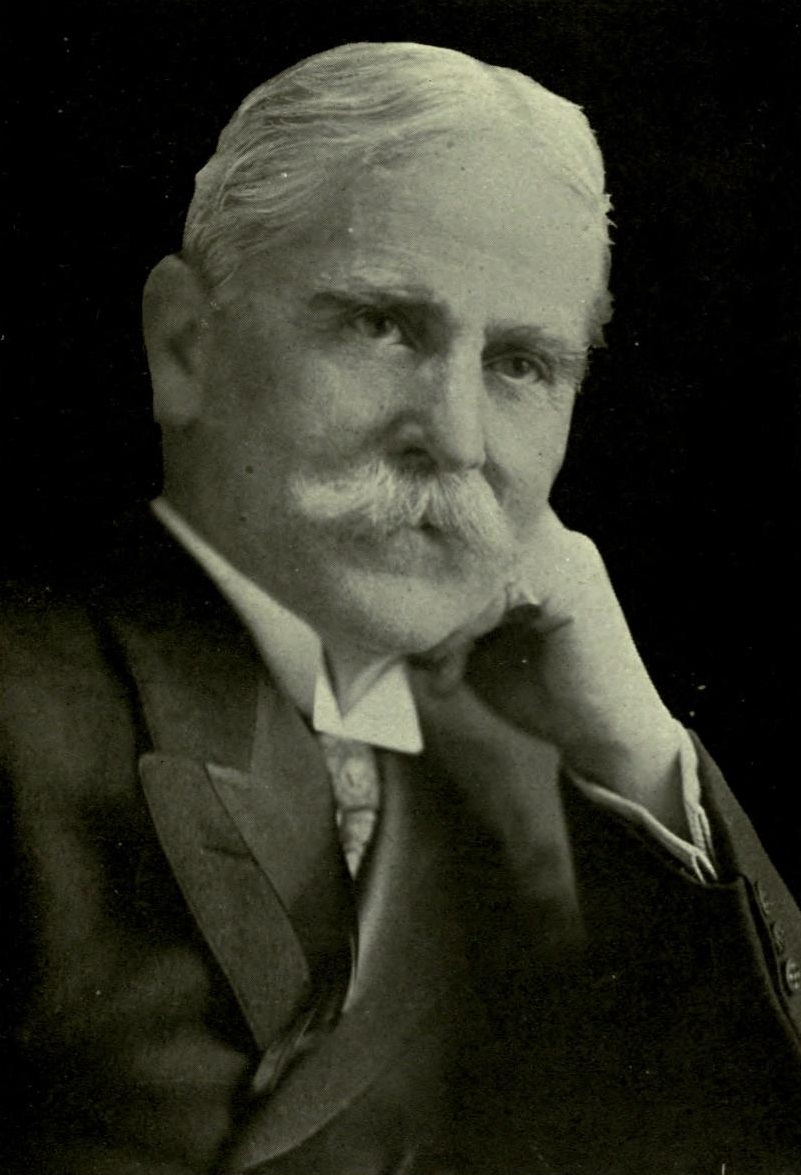
Felix Adler was a prominent American philosopher, educator, and social reformer, best known for founding the Ethical Culture movement in the late 19th century. Born in Germany and later emigrating to the United States, Adler's early life was steeped in the intellectual traditions of both European philosophy and American pragmatism. He sought to create a moral framework that transcended religious dogma, emphasizing ethics based on human experience and reason. His philosophy was articulated in various writings, including his influential work 'The Religion of Humanity', where he argued for a secular approach to morality and social justice. Adler's contributions extended beyond philosophy; he was a passionate advocate for social reform, focusing on issues such as education, labor rights, and the welfare of children. He founded the Ethical Culture Society in 1876, which aimed to promote ethical living and social responsibility through community engagement and education. His legacy is marked by his commitment to creating a more just society, influencing both contemporary ethical thought and the development of social work in America. Adler's vision of a society guided by ethical principles continues to resonate in discussions about morality and civic responsibility today.
Famous Quotes
View all 3 quotes“To care for anyone else enough to make their problems one's own, is ever the beginning of one's real ethical development.”
“The unique personality which is the real life in me, I can not gain unless I search for the real life, the spiritual quality, in others. I am myself spiritually dead unless I reach out to the fine quality dormant in others. For it is only with the god enthroned in the innermost shrine of the other, that the god hidden in me, will consent to appear.”
“Act so as to elicit the best in others and thereby in thyself.”
Books from the author



















Link to this page
Add a free, dofollow link to Lex on your blog, forum, syllabus, or reading list.

<a href="https://lex-books.com/author/felix-adler"><img src="https://lex-books.com/badges/read-on-lex.svg" alt="Felix Adler on Lex" width="160" height="40"></a>[](https://lex-books.com/author/felix-adler)[url=https://lex-books.com/author/felix-adler][img]https://lex-books.com/badges/read-on-lex.svg[/img][/url]Felix Adler on Lex: https://lex-books.com/author/felix-adler