Documenti Umani
1888
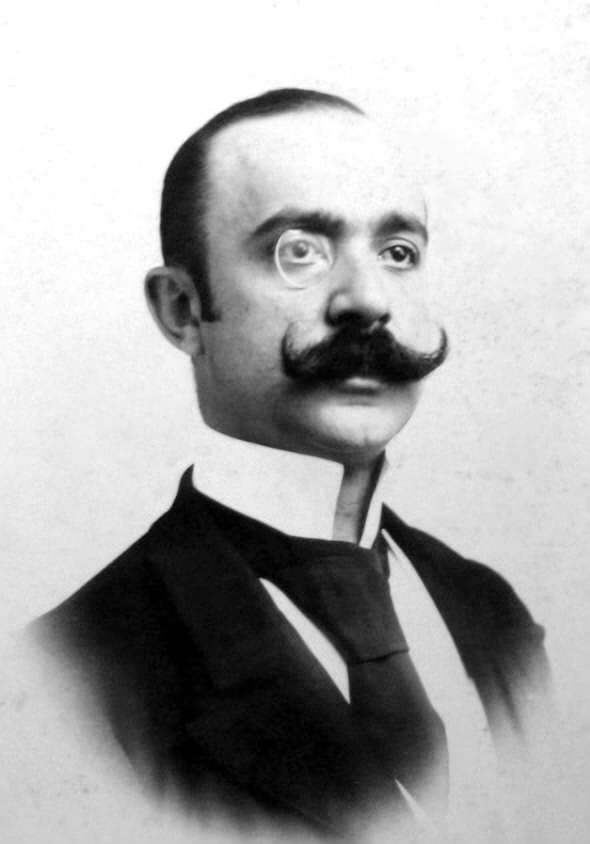
De Roberto, better known for his epic novel I Viceré, reveals a more intimate genius in these fourteen stories from 1888. They predate modernism but somehow anticipate it, capturing the human soul at its most exposed. Here are men undone by jealousy, trapped in their own suspicions, driven to desperate acts by emotions they cannot control. There are dying narrators reflecting on regret, on the damage they've caused, on the love and anguish that consumed them. The strict society of late nineteenth-century Italy frames everything: duels of honor, letters misunderstood, reputations built and destroyed. What makes the collection startling is its psychological honesty. These are not Victorian moral tales with neat lessons. They are messy, uncomfortable studies of human weakness that feel startlingly modern. The writing moves between sharp dialogue where nothing is said directly and longer, more melodramatic passages of internal reckoning. This formal range serves the psychological depth. The stories endure because they capture something true about love, jealousy, regret, and the lasting consequences of passionate choices.
Editions
Link to this book
Add a free, dofollow link to Lex on your blog, forum, syllabus, or reading list.

<a href="https://lex-books.com/book/documenti-umani-29eedf54-e5e4-482c-9a1f-3695854f4b51"><img src="https://lex-books.com/badges/read-on-lex.svg" alt="Read Documenti Umani by Federico De Roberto free on Lex" width="160" height="40"></a>[](https://lex-books.com/book/documenti-umani-29eedf54-e5e4-482c-9a1f-3695854f4b51)[url=https://lex-books.com/book/documenti-umani-29eedf54-e5e4-482c-9a1f-3695854f4b51][img]https://lex-books.com/badges/read-on-lex.svg[/img][/url]Read Documenti Umani by Federico De Roberto free on Lex: https://lex-books.com/book/documenti-umani-29eedf54-e5e4-482c-9a1f-3695854f4b51Cite this book
Reading this edition for a paper or guide? Copy a citation.
Roberto, Federico De. Documenti Umani. Lex, lex-books.com/book/documenti-umani-29eedf54-e5e4-482c-9a1f-3695854f4b51.Roberto, F. D. (1888). Documenti Umani. Lex. https://lex-books.com/book/documenti-umani-29eedf54-e5e4-482c-9a1f-3695854f4b51Roberto, Federico De. Documenti Umani. Lex. https://lex-books.com/book/documenti-umani-29eedf54-e5e4-482c-9a1f-3695854f4b51.