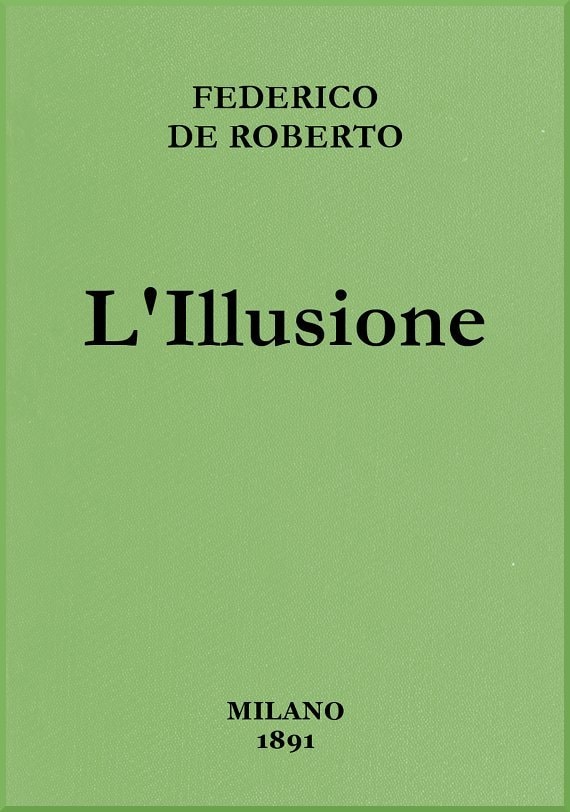
L'illusione
1891
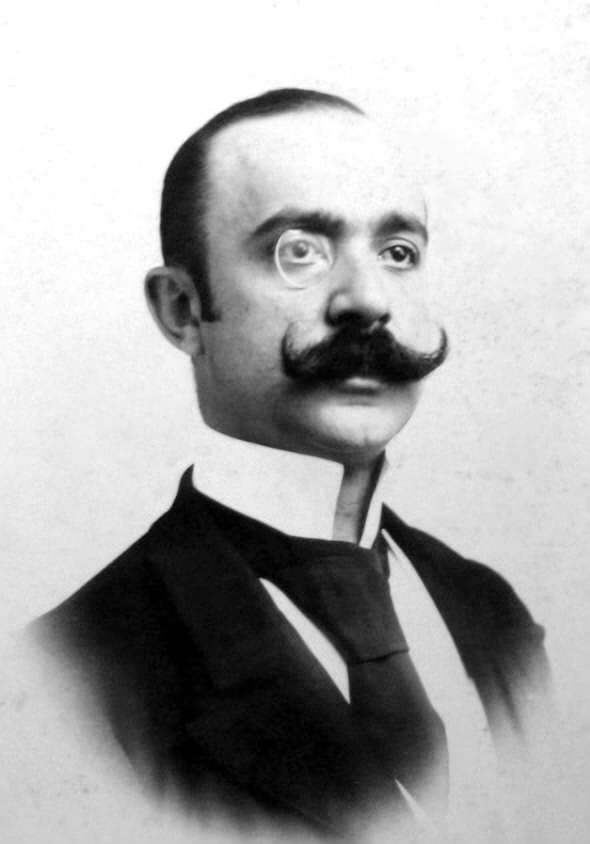
Teresa Uzeda is fifteen when we first see her waiting for her grandfather in the Florence sunlight, all restless hope and adolescent hunger. By the novel's end, she will have lived an entire life of disappointment. Federico De Roberto traces her journey from childhood through marriage, from naive romance to bitter adulthood, painting the portrait of a woman whose dreams are systematically crushed by the rigid patriarchy of Sicilian aristocracy. The man she doesn't love becomes her husband; the passion she risks everything for brings only further disillusionment. This is the novel that spawned the character who would later loom over De Roberto's masterpiece I Viceré, but it stands entirely alone as a meditation on the gap between what we imagine life will be and what it actually becomes. De Roberto writes with surgical precision about the particular cruelty of provincial Italian society, where a woman's choices are illusions themselves, where even rebellion leads to the same hollow conclusion: that all of human existence is illusion.
Editions
X-Ray
“I libri le avevano fatto un gran male, eccitando la sua immaginazione, pascendola di allettanti finzioni, di chimere seducenti; ma oramai era troppo tardi per smettere, il male era già fatto, e nonostante la sua sfiducia, le restava in fondo al cuore inassopito il bisogno di commozioni, di scosse, di palpiti.””
— Federico De Roberto
“Ed ella sentiva che era un altro inganno quell'immaginarsi oggetto di attenzione di qualcuno, quella nuova aspettazione di essere capace di vincere la diffidenza che la amareggiava...[...]. Ah, se l'autore di quella rovina avesse potuto leggerle il cuore, vederne lo strazio! [...]. Poi, i rimproveri che rivolgeva verso di lui cadevano anch'essi; ella riconosceva la propria parte d'errore.””
— Federico De Roberto
“[...], ella pensò allo strano giuoco del destino, alla disperazione fatale delle intenzioni e dei sentimenti.””
— Federico De Roberto
“E tutto l'orrore della propria miseria le si rivelò. Ella era definitivamente abbandonata, senza una parola, come l'ultima delle donne. [...].Pensando all'abisso nel quale sarebbe caduta, sentiva la tentazione di scrivere a Paolo, di cedere, di richiamarlo. Egli l'aveva crudelmente ferita; ma era sempre l'uomo che le aveva fatto battere il cuore, a cui ella aveva dato tutta se stessa!””
— Federico De Roberto
“In mezzo alle distrazioni [...], il pensiero di Paolo le tornava alla mente. Aveva una ansiosa curiosità di sapere ciò che egli faceva, che cosa provava per lei. Immaginava che fosse pentito della rottura, che si disperasse ricordando la felicità perduta, che una fiera battaglia si combattesse nell'animo suo tra la passione e l'orgoglio. La figura di lei doveva sempre stargli dinanzi, seguirlo dovunque, impedirgli di pensare ad altro! Era bene che fosse così, che egli soffrisse dopo averla fatta soffrire!...””
— Federico De Roberto
“Ella non sapeva pronunziare queste parole per sbarazzarsi dell'uomo che era stato tanta parte della sua vita; [...]. Ma che cosa avrebbe fatto sola? Fin dove sarebbe precipitata? Quali miserie l'aspettavano ancora?... E il suo cuore si chiudeva dall'angoscia, dal terrore; nessuna speranza luceva per lei: come sarebbe stato meglio morire! Perché non era morta?...””
— Federico De Roberto
“E non riconobbe che anche lei non lo amava più, che quell'amore non era l'amore sognato, che quell'uomo non le piaceva. [...].La passione aveva legittimato il suo fallo: ella non voleva sentirsi dire che si era ingannata.””
— Federico De Roberto
“Adesso ella intravvedeva, più distintamente di prima, una cosa orribile: la morte di quell'amore... [...].No; l'errore era stato suo, nell'aver prestato fede a quell'uomo. Scettico e ambizioso, declamatore e vano, ella lo vedeva qual era.””
— Federico De Roberto
“Egli non le chiese perdono, ostentò da quella sera di non lasciarla un momento, come sacrificandosi, nonostante ella lo pregasse di fare ciò che gli piaceva, per non vedergli sempre quell'aria rannuvolata.””
— Federico De Roberto
Link to this book
Add a free, dofollow link to Lex on your blog, forum, syllabus, or reading list.

<a href="https://lex-books.com/book/l-illusione-12173529-be81-4f12-af61-a7c7ae2f1f08"><img src="https://lex-books.com/badges/read-on-lex.svg" alt="Read L'illusione by Federico De Roberto free on Lex" width="160" height="40"></a>[](https://lex-books.com/book/l-illusione-12173529-be81-4f12-af61-a7c7ae2f1f08)[url=https://lex-books.com/book/l-illusione-12173529-be81-4f12-af61-a7c7ae2f1f08][img]https://lex-books.com/badges/read-on-lex.svg[/img][/url]Read L'illusione by Federico De Roberto free on Lex: https://lex-books.com/book/l-illusione-12173529-be81-4f12-af61-a7c7ae2f1f08Cite this book
Reading this edition for a paper or guide? Copy a citation.
Roberto, Federico De. L'illusione. Lex, lex-books.com/book/l-illusione-12173529-be81-4f12-af61-a7c7ae2f1f08.Roberto, F. D. (1891). L'illusione. Lex. https://lex-books.com/book/l-illusione-12173529-be81-4f12-af61-a7c7ae2f1f08Roberto, Federico De. L'illusione. Lex. https://lex-books.com/book/l-illusione-12173529-be81-4f12-af61-a7c7ae2f1f08.