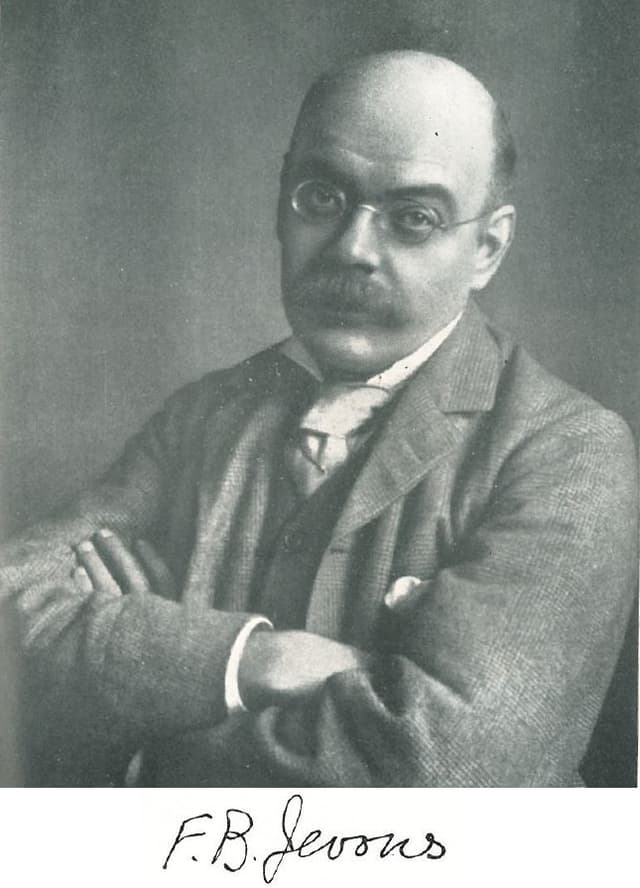
F. B. Jevons
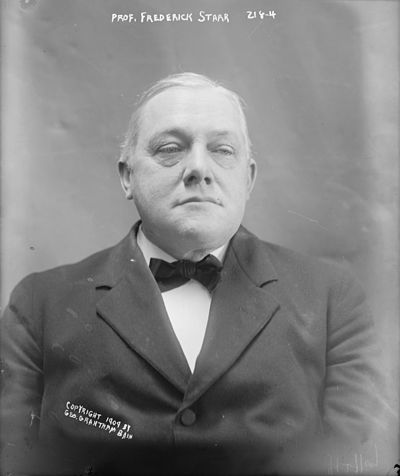
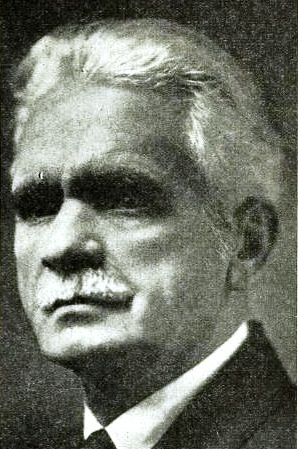
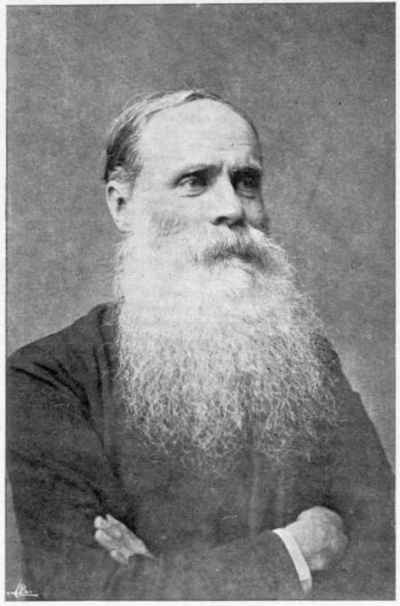
F. B. Jevons was a prominent British philosopher and logician, best known for his contributions to the fields of logic and philosophy of science. Born in 1858, he was deeply influenced by the works of his predecessors, particularly those of John Stuart Mill and George Boole. Jevons's most significant work, "The Principles of Science" (1874), sought to establish a systematic approach to scientific inquiry, emphasizing the importance of logic in the formulation of scientific theories. He was also known for his development of the "Jevons Paradox," which highlighted the counterintuitive relationship between increased efficiency in resource use and overall consumption, a concept that remains relevant in discussions of sustainability today. Throughout his career, Jevons contributed to the advancement of formal logic, advocating for the use of symbolic logic as a means to clarify philosophical arguments. His work laid the groundwork for future developments in both logic and economics, influencing thinkers such as Alfred Marshall and the broader field of economic theory. Jevons's legacy endures in the realms of philosophy and economics, where his insights continue to inform contemporary discussions on logic, rationality, and the implications of efficiency in resource management.
Famous Quotes
View all 1 quotes“Of all manifestations of power, restraint impresses men the most.””
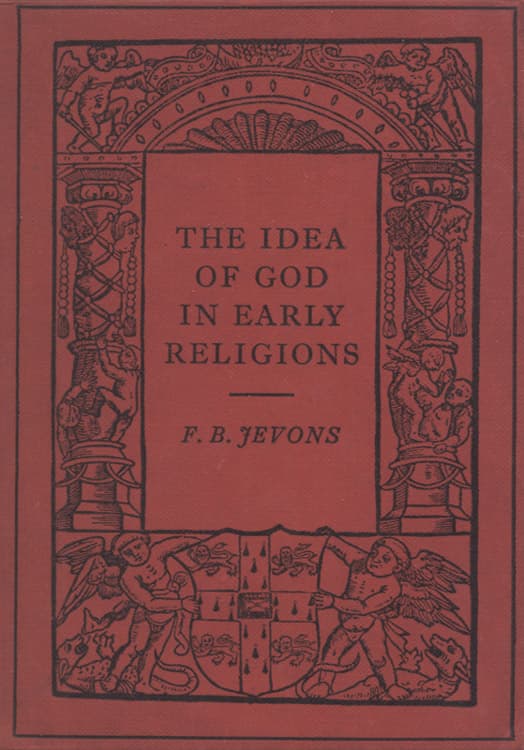
Books from the author








Link to this page
Add a free, dofollow link to Lex on your blog, forum, syllabus, or reading list.

<a href="https://lex-books.com/author/f-b-jevons"><img src="https://lex-books.com/badges/read-on-lex.svg" alt="F. B. Jevons on Lex" width="160" height="40"></a>[](https://lex-books.com/author/f-b-jevons)[url=https://lex-books.com/author/f-b-jevons][img]https://lex-books.com/badges/read-on-lex.svg[/img][/url]F. B. Jevons on Lex: https://lex-books.com/author/f-b-jevons