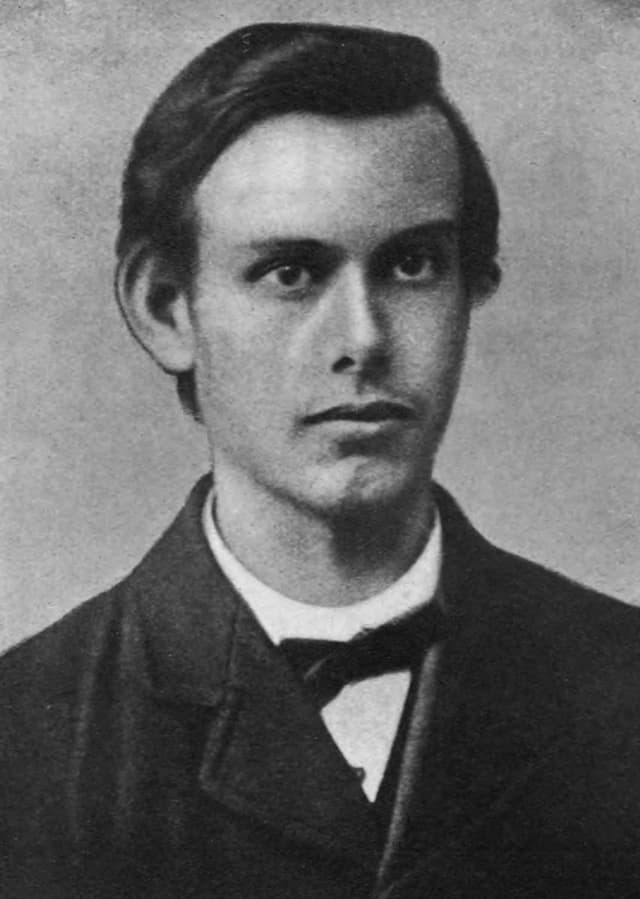
Francis Thompson
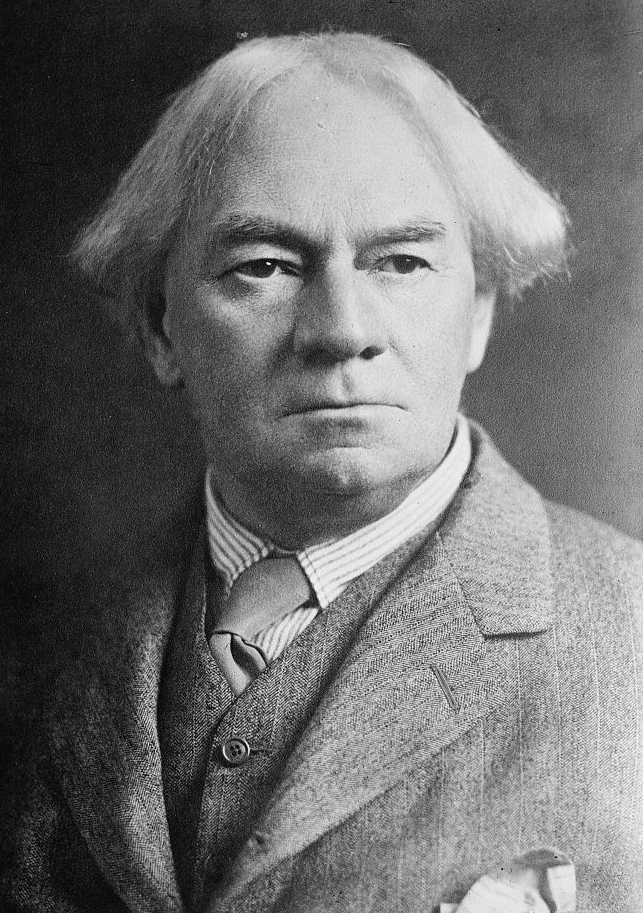
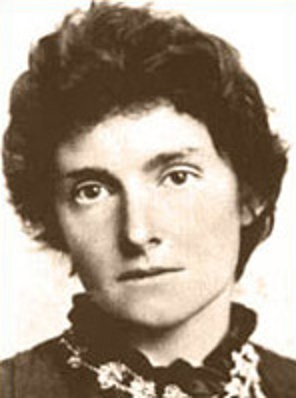
Francis Thompson was an English poet and Catholic mystic whose life was marked by both profound creativity and personal struggle. Initially following his father's wishes, he entered medical school at 18 but left at 26 to pursue his passion for writing. His journey took a dark turn as he spent three years homeless in London, battling opium addiction to cope with his nervous condition. Despite these challenges, Thompson's talent was recognized when Wilfrid and Alice Meynell discovered his poetry in 1888, providing him refuge and eventually publishing his first collection, 'Poems,' in 1893. Thompson's later works drew inspiration from the natural beauty of the countryside, particularly in Wales and Storrington, and he began to write prose in 1897. His literary contributions include three volumes of poetry and various essays, characterized by their rich imagery and deep spiritual themes. Although his health was fragile throughout his life, leading to his untimely death from tuberculosis in 1907, Thompson's work left a lasting impact on English literature, influencing later poets with his unique blend of mysticism and emotional depth.
Famous Quotes
View all 3 quotes“The fairest things have fleetest end, Their scent survives their close: But the rose's scent is bitterness To her who loved the rose.”
“Summer set lip to earth's bosom bare, and left the flushed print in a poppy there.”
“For we are born in other's pain, and perish in our own.”
Books from the author
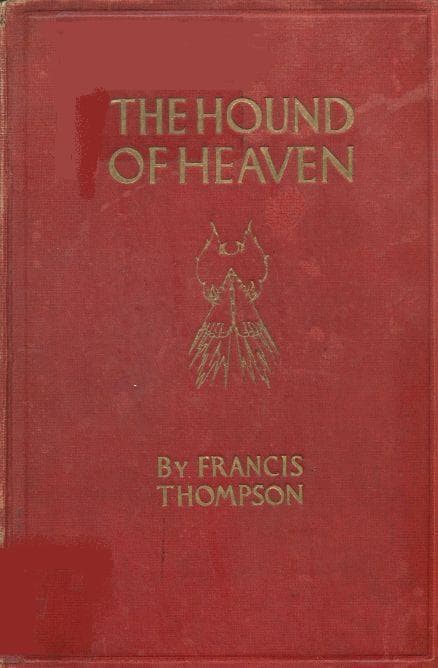
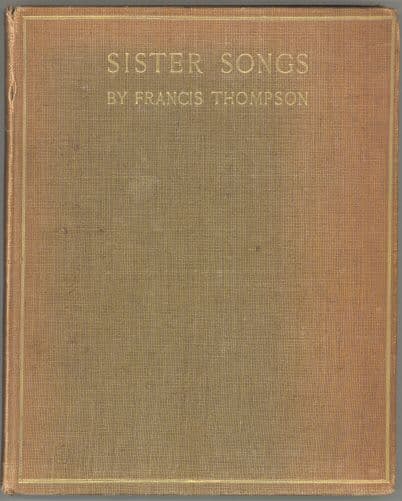


Link to this page
Add a free, dofollow link to Lex on your blog, forum, syllabus, or reading list.

<a href="https://lex-books.com/author/francis-thompson"><img src="https://lex-books.com/badges/read-on-lex.svg" alt="Francis Thompson on Lex" width="160" height="40"></a>[](https://lex-books.com/author/francis-thompson)[url=https://lex-books.com/author/francis-thompson][img]https://lex-books.com/badges/read-on-lex.svg[/img][/url]Francis Thompson on Lex: https://lex-books.com/author/francis-thompson