
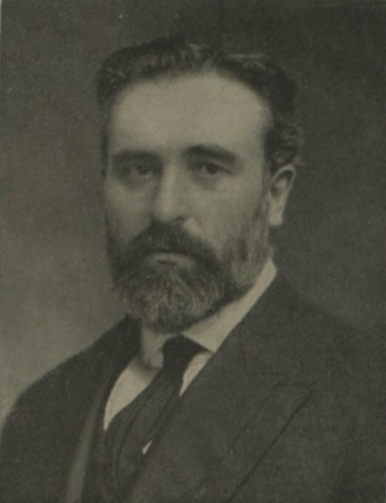
Errico Malatesta
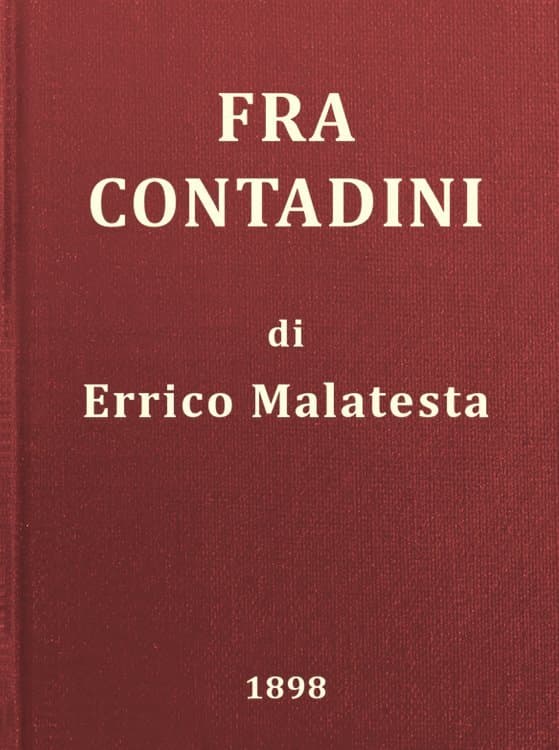
Errico Malatesta was an influential Italian anarchist, propagandist, and revolutionary socialist who dedicated his life to advocating for social change through radical means. Born in 1853, he became a prominent figure in the anarchist movement, editing several radical newspapers and engaging in political activism across Europe and the Americas. His early support for insurrectionary tactics evolved into a commitment to syndicalism, reflecting his belief in workers' self-management and direct action. Throughout his life, Malatesta faced significant repression; he was imprisoned and exiled from multiple countries, including Italy, Britain, France, and Switzerland, spending years in Argentina and Europe due to his political activities. Malatesta's activism included participation in key events such as the 1895 Spanish revolt and the Belgian general strike. He also toured the United States, where he delivered lectures and founded the influential anarchist journal La Questione Sociale, which became a platform for disseminating anarchist ideas. After World War I, he returned to Italy, where his publication Umanità Nova gained traction before being shut down by Mussolini's regime. Malatesta's writings and actions significantly shaped anarchist thought and practice, leaving a lasting legacy in the struggle for social justice and workers' rights.
Famous Quotes
View all 3 quotes“We anarchists do not want to emancipate the people; we want the people to emancipate themselves.”
“Hate does not produce love, and by hate one cannot remake the world.”
“In all times and in all places, whatever may be the name that the government takes, whatever has been its origin, or its organization, its essential function is always that of oppressing and exploiting the masses, and of defending the oppressors and exploiters. Its principal characteristic and indispensable instruments are the bailiff and the tax collector, the soldier and the prison. And to these are necessarily added the time-serving priest or teacher, as the case may be, supported and protected by the government, to render the spirit of the people servile and make them docile under the yoke.”
Books from the author










Link to this page
Add a free, dofollow link to Lex on your blog, forum, syllabus, or reading list.

<a href="https://lex-books.com/author/errico-malatesta"><img src="https://lex-books.com/badges/read-on-lex.svg" alt="Errico Malatesta on Lex" width="160" height="40"></a>[](https://lex-books.com/author/errico-malatesta)[url=https://lex-books.com/author/errico-malatesta][img]https://lex-books.com/badges/read-on-lex.svg[/img][/url]Errico Malatesta on Lex: https://lex-books.com/author/errico-malatesta