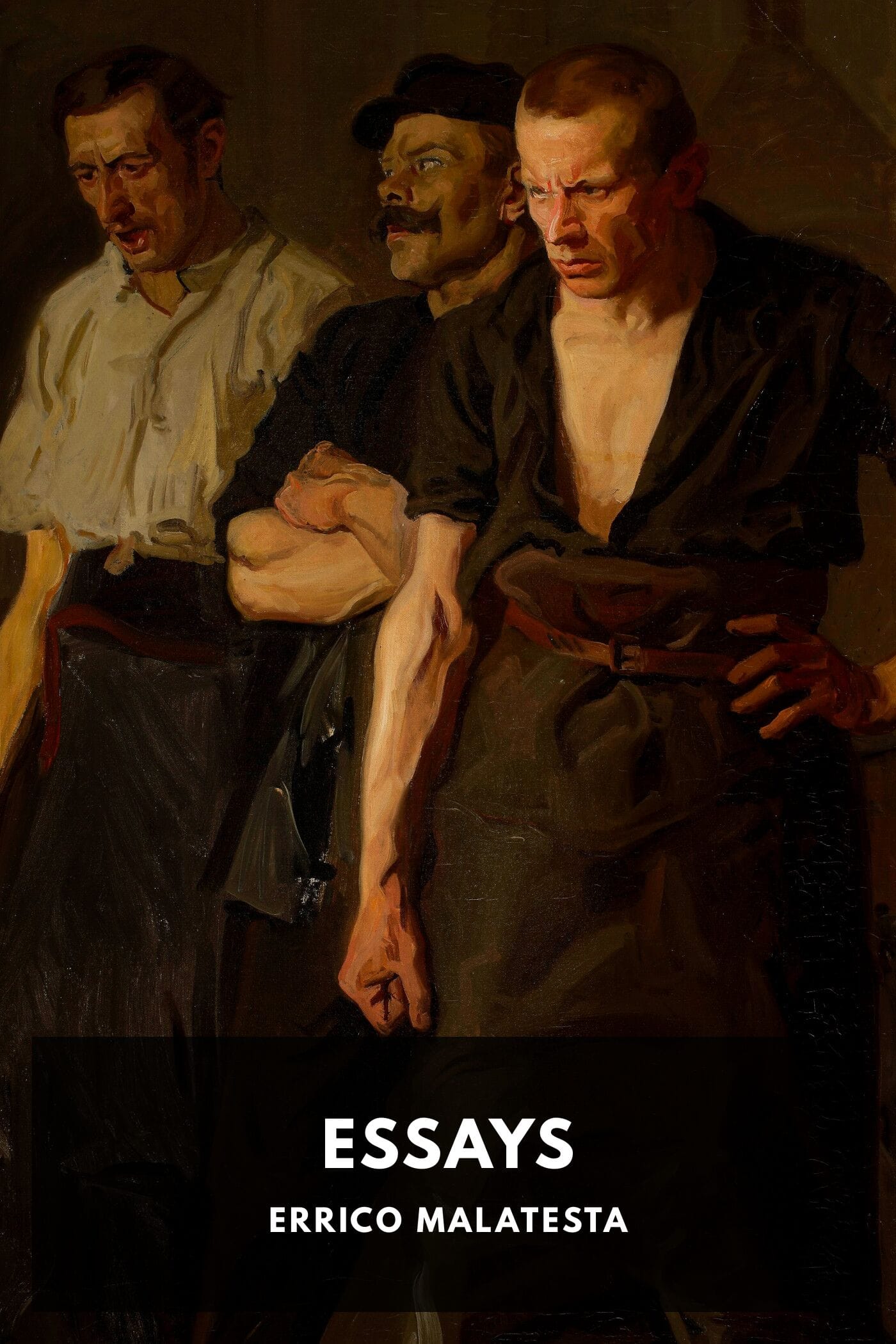
Essays
Dive into the radical mind of Errico Malatesta, a foundational figure in the Italian anarchist movement, as he dissects the very essence of a society without government. This collection brings together his most incisive essays, offering a robust theoretical framework for anarchism as 'complete liberty with complete solidarity.' Beyond abstract principles, Malatesta fearlessly engages with the tumultuous events of his era, from the dawn of the 20th century to the horrors of World War I, where he famously lambasted 'Pro-Government Anarchists' for betraying core ideals. More than a historical artifact, Malatesta's writing pulsates with an urgency that resonates today. His clear, uncompromising prose cuts through ideological fog, challenging readers to envision and actively build a more just world. This isn't just a survey of anarchist thought; it's a call to action, a masterclass in intellectual rigor and revolutionary passion from a thinker whose ideas continue to ignite debate and inspire movements for freedom and solidarity.
Editions

X-Ray
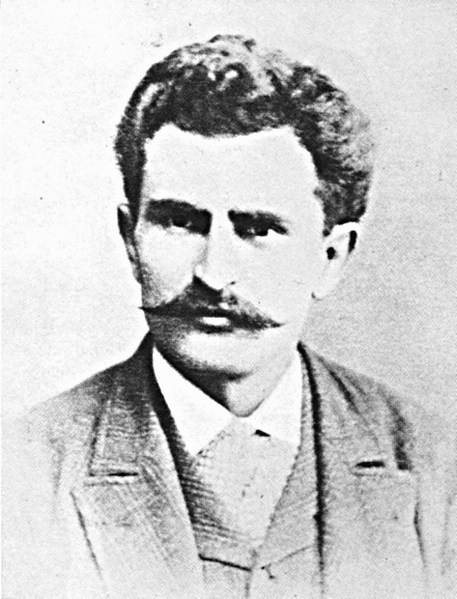
Italian anarchist theorist and activist who wrote these essays. He advocates for anarchist principles, workers' rights, and revolutionary action against government and capitalism.
Russian anarchist philosopher frequently quoted by Malatesta. Represents classical anarchist thought on freedom and solidarity.
Russian anarchist theorist with whom Malatesta disagrees on the question of World War I and anti-militarism.
German socialist theorist whose ideas Malatesta critiques, particularly regarding the state and dictatorship of the proletariat.
About Essays
Chapter Summaries
- 1
- Malatesta defines anarchy as society without government, explaining how the word has been misunderstood due to prejudices about the necessity of authority. He argues that government is actually harmful and that true order comes from voluntary cooperation.
- 2
- Discusses the principle that 'the end justifies the means' and how anarchists must choose methods consistent with their goals of human liberation. Emphasizes that means and ends are inseparable.
- 3
- Written during a period of government repression, Malatesta urges anarchists to resist laws, maintain their principles, and work among the people rather than remaining isolated.
Key Themes
- Anarchy vs. Authority
- Malatesta argues that true anarchy means the absence of government and coercion, leading to natural order through voluntary cooperation. He contrasts this with all forms of authority, which he sees as inherently oppressive.
- Solidarity and Mutual Aid
- The principle that human progress comes through cooperation rather than competition. Malatesta argues that solidarity is the natural law of human development and the foundation of anarchist society.
- Direct Action vs. Parliamentary Politics
- Malatesta advocates for direct action by workers rather than relying on electoral politics or government reforms. He sees parliamentary socialism as a betrayal of revolutionary principles.
Characters
- Errico Malatesta(protagonist)
- Italian anarchist theorist and activist who wrote these essays. He advocates for anarchist principles, workers' rights, and revolutionary action against government and capitalism.
- Michael Bakunin(major)
- Russian anarchist philosopher frequently quoted by Malatesta. Represents classical anarchist thought on freedom and solidarity.
- Peter Kropotkin(major)
- Russian anarchist theorist with whom Malatesta disagrees on the question of World War I and anti-militarism.
- Karl Marx(major)
- German socialist theorist whose ideas Malatesta critiques, particularly regarding the state and dictatorship of the proletariat.
- Lenin(major)
- Russian revolutionary leader whom Malatesta views as a sincere but misguided revolutionary who betrays anarchist principles.
- Trotsky(minor)
- Russian revolutionary leader mentioned alongside Lenin as a Bolshevik who prepares governmental methods that will serve future oppressors.
Link to this book
Add a free, dofollow link to Lex on your blog, forum, syllabus, or reading list.

<a href="https://lex-books.com/book/essays-628a23cd-74d7-4136-b76c-f7873ef85975"><img src="https://lex-books.com/badges/read-on-lex.svg" alt="Read Essays by Errico Malatesta free on Lex" width="160" height="40"></a>[](https://lex-books.com/book/essays-628a23cd-74d7-4136-b76c-f7873ef85975)[url=https://lex-books.com/book/essays-628a23cd-74d7-4136-b76c-f7873ef85975][img]https://lex-books.com/badges/read-on-lex.svg[/img][/url]Read Essays by Errico Malatesta free on Lex: https://lex-books.com/book/essays-628a23cd-74d7-4136-b76c-f7873ef85975Cite this book
Reading this edition for a paper or guide? Copy a citation.
Malatesta, Errico. Essays. Lex, lex-books.com/book/essays-628a23cd-74d7-4136-b76c-f7873ef85975.Malatesta, E. (n.d.). Essays. Lex. https://lex-books.com/book/essays-628a23cd-74d7-4136-b76c-f7873ef85975Malatesta, Errico. Essays. Lex. https://lex-books.com/book/essays-628a23cd-74d7-4136-b76c-f7873ef85975.