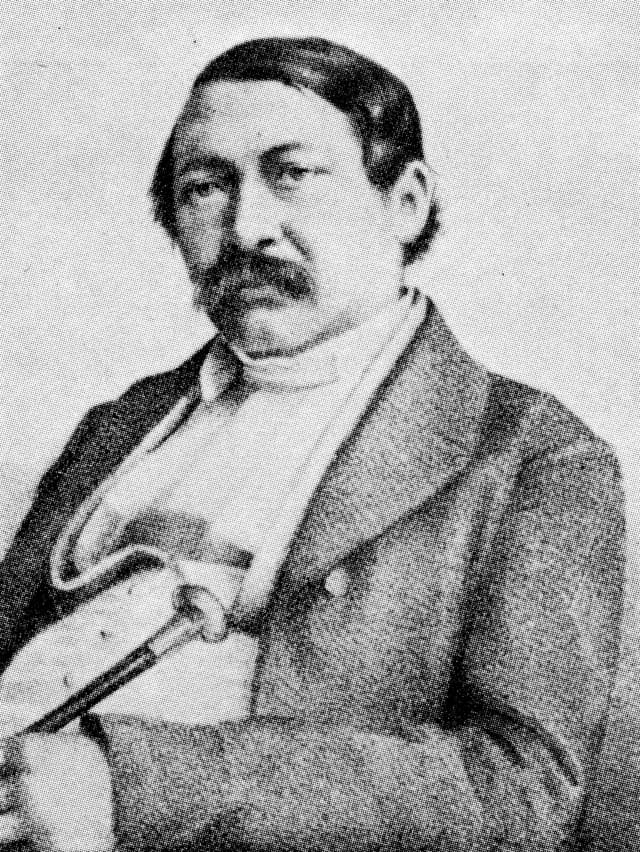
Ernst Koch
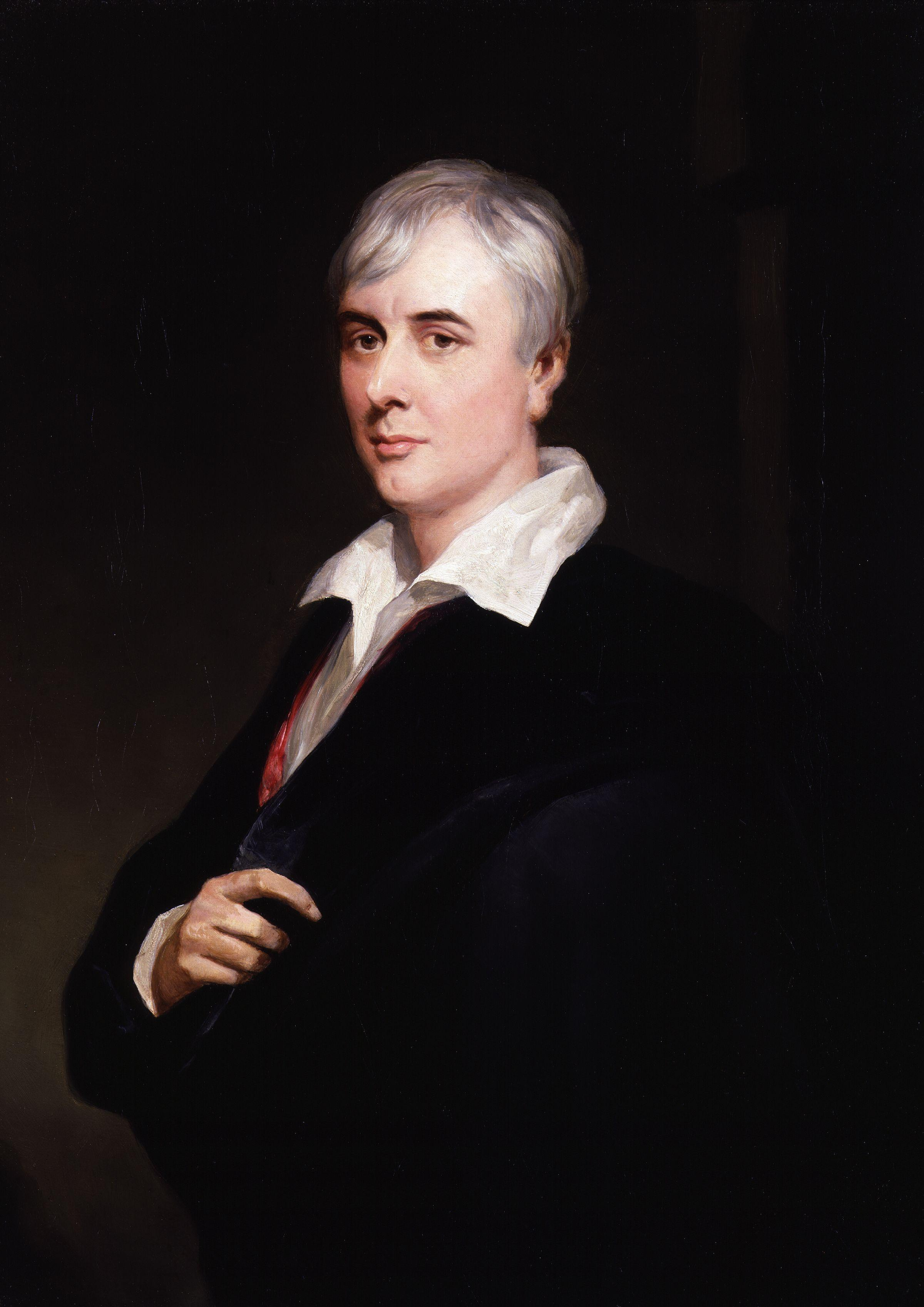
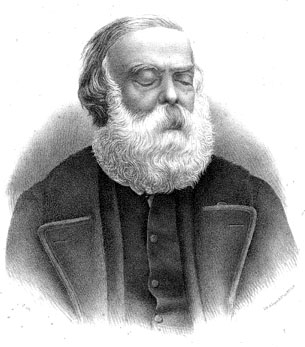
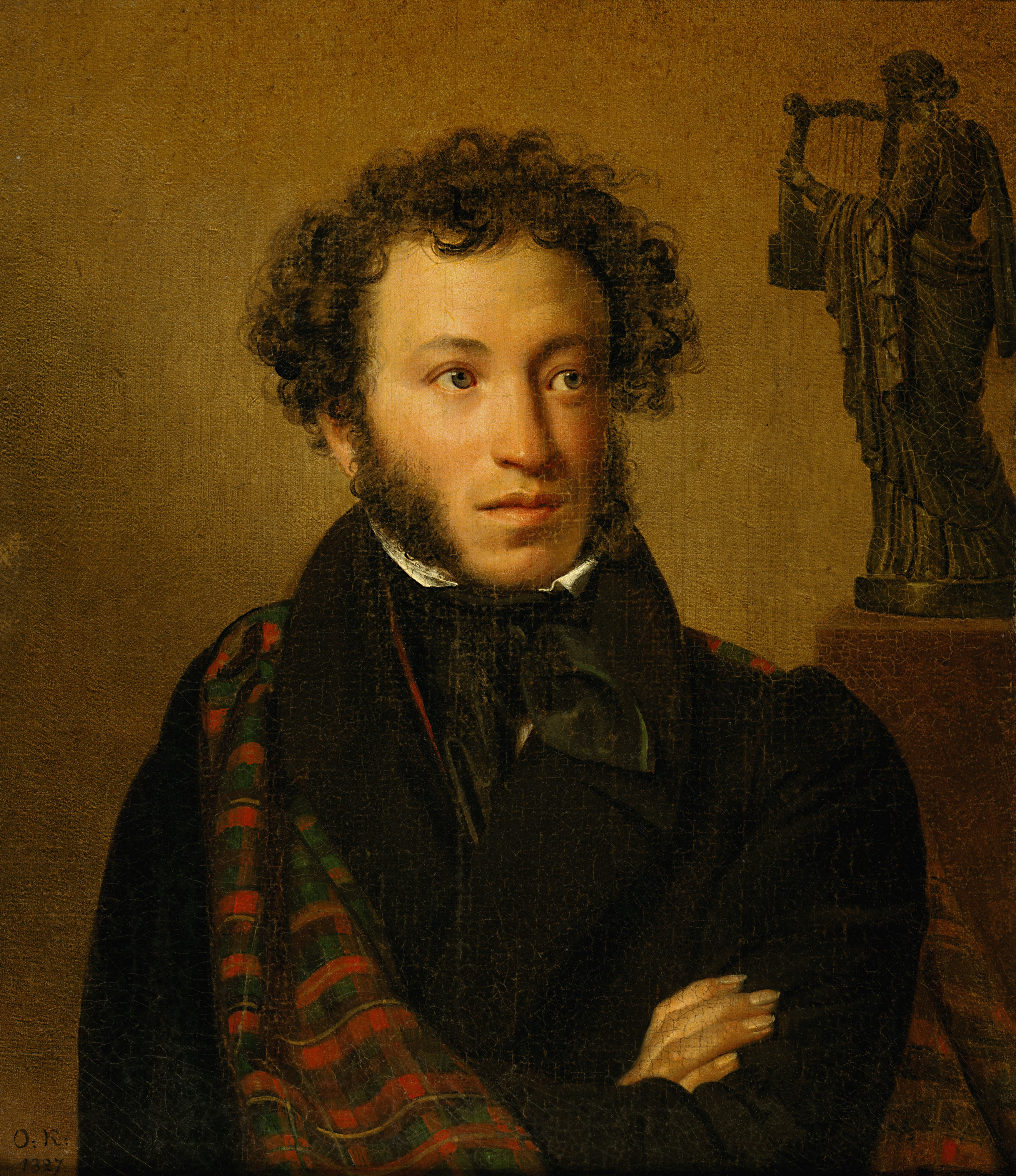
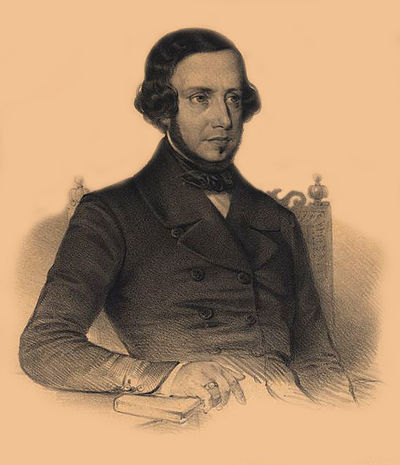
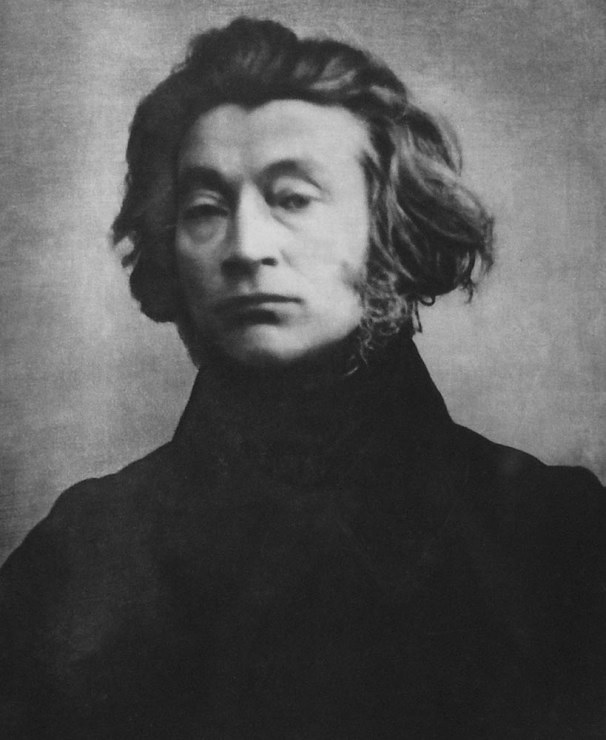
Ernst Koch was a significant figure in 19th-century German literature, known for his contributions to poetry and prose that explored themes of nature, love, and the human condition. Born in 1808, Koch's literary career was marked by a deep engagement with the Romantic movement, which influenced his writing style and thematic choices. His notable works include 'Die Lieder der Nacht' and 'Die Blätter des Lebens', which showcased his lyrical prowess and emotional depth. Koch's poetry often reflected the beauty and tumult of the natural world, resonating with the Romantic ideals of his time. Koch's literary significance lies in his ability to capture the essence of human experience through vivid imagery and introspective themes. He was part of a wave of writers who sought to express the complexities of emotion and the sublime qualities of nature, contributing to the broader Romantic tradition in German literature. Despite his relatively short life, ending in 1858, Koch's work left a lasting impact on his contemporaries and later generations, influencing poets and writers who followed in his footsteps. His exploration of personal and universal themes continues to be appreciated for its depth and artistic merit.
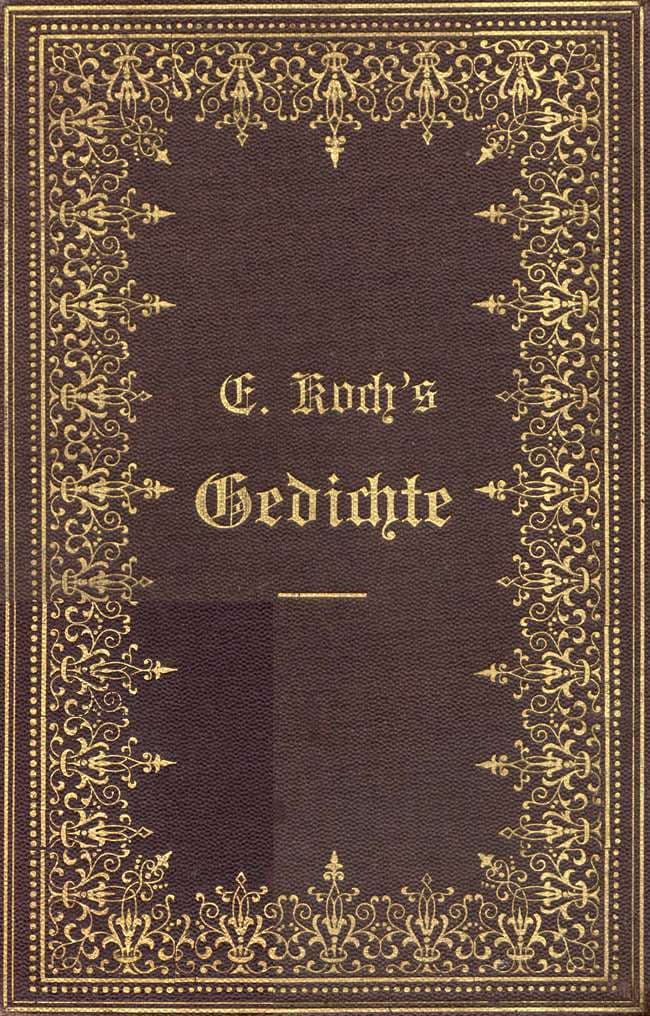
Books from the author


Link to this page
Add a free, dofollow link to Lex on your blog, forum, syllabus, or reading list.

<a href="https://lex-books.com/author/ernst-koch"><img src="https://lex-books.com/badges/read-on-lex.svg" alt="Ernst Koch on Lex" width="160" height="40"></a>[](https://lex-books.com/author/ernst-koch)[url=https://lex-books.com/author/ernst-koch][img]https://lex-books.com/badges/read-on-lex.svg[/img][/url]Ernst Koch on Lex: https://lex-books.com/author/ernst-koch