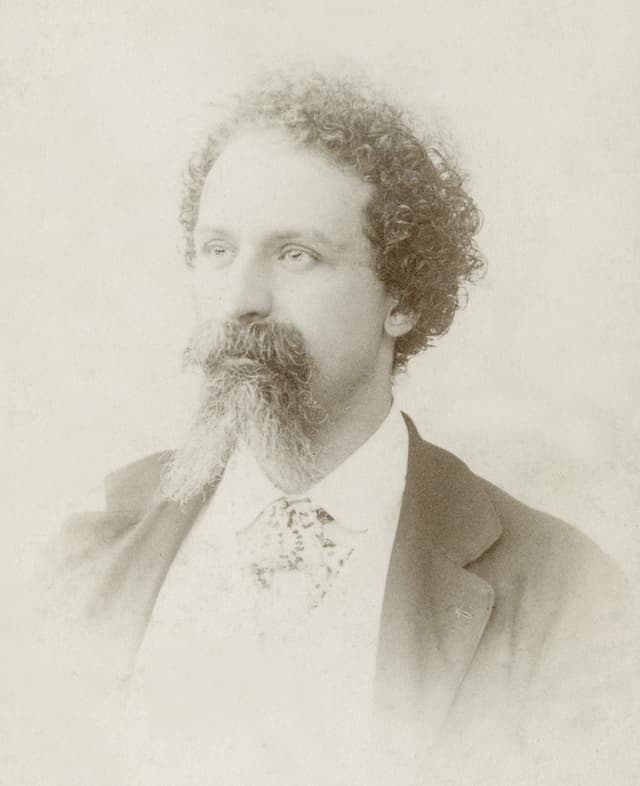
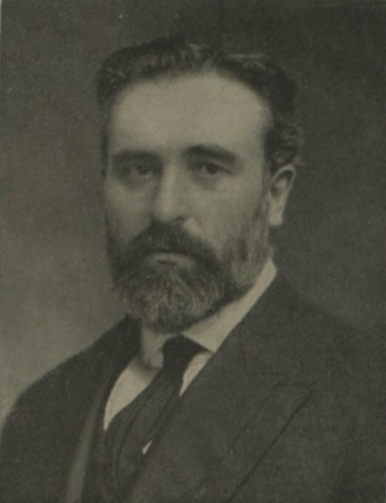
Enrico Ferri
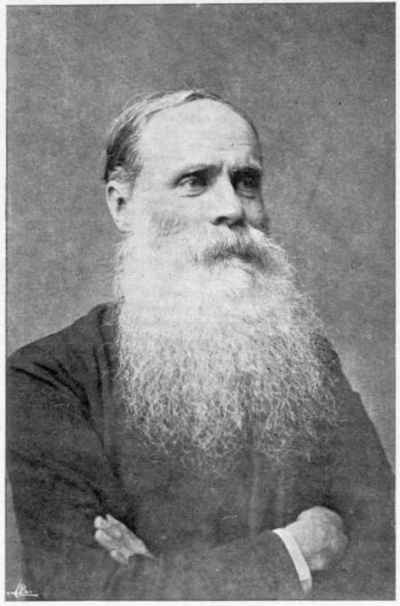
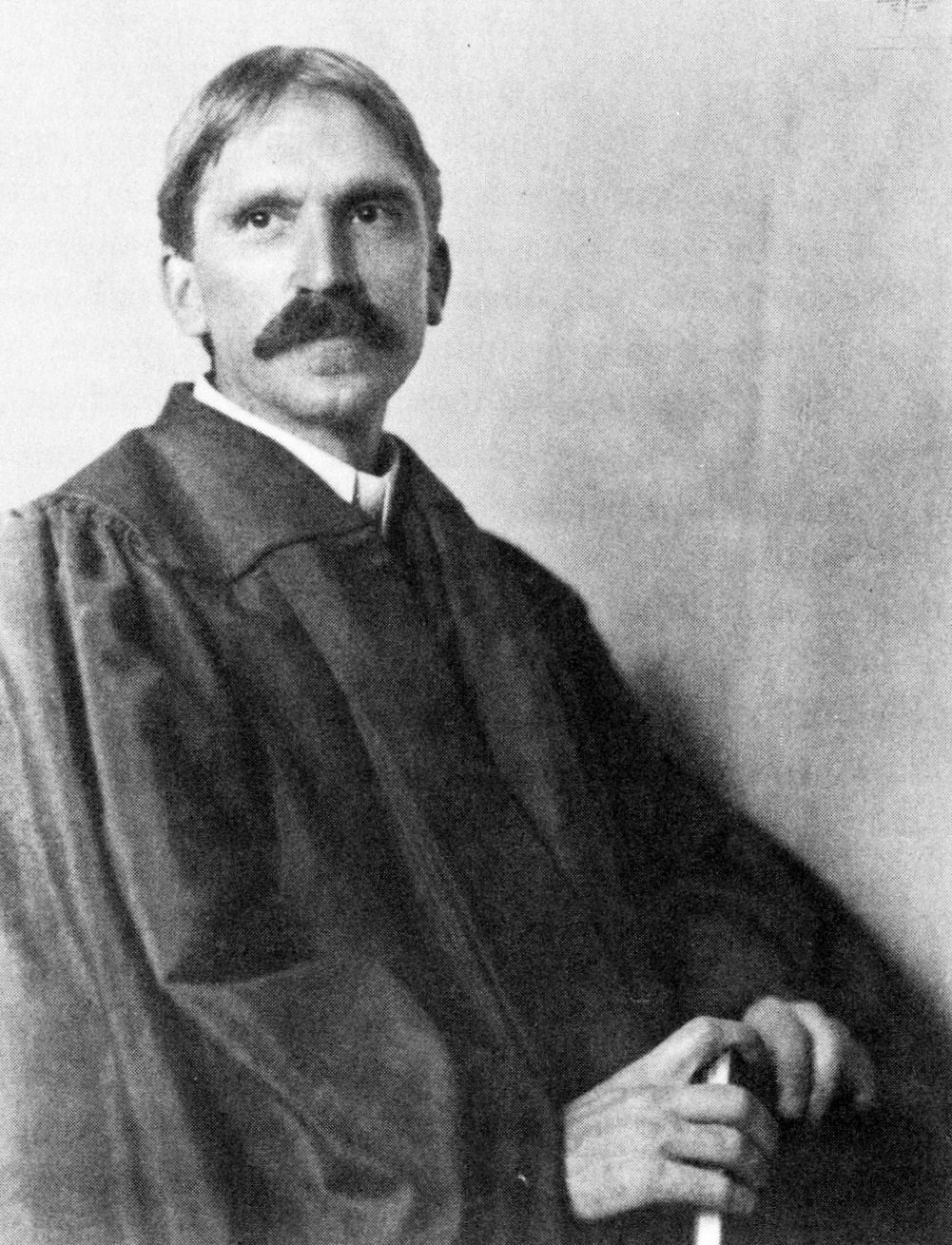
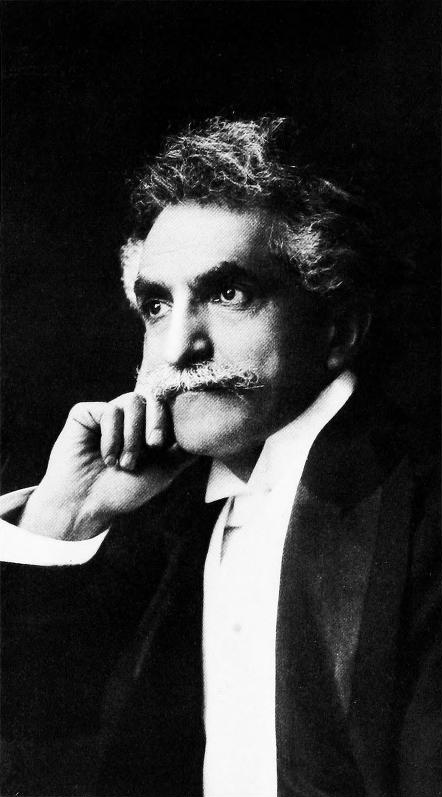
Enrico Ferri was an influential Italian criminologist, sociologist, and politician, known for his pioneering work in the field of criminal anthropology. Born in 1856, Ferri was a prominent figure in the Italian school of criminology, which sought to understand the social and environmental factors contributing to criminal behavior. His most notable works include 'Criminal Sociology' and 'The Theory of Criminality,' where he argued against the notion of free will in criminal behavior, emphasizing the role of biological and social influences. Ferri's theories were significant in shaping modern criminology and laid the groundwork for future studies in the field. Ferri's contributions extended beyond academia; he was also an active politician and a member of the Italian Parliament, advocating for social reforms and the application of scientific methods to the study of crime. His work was controversial, as it challenged prevailing notions of morality and justice, but it also opened up new avenues for understanding crime as a social phenomenon. Ferri's legacy endures in the fields of sociology and criminology, where his ideas continue to influence contemporary thought on crime and punishment.
Famous Quotes
View all 3 quotes“correction of the individual is not sufficient to prevent relapse if we do not also, to the best of our ability, reform the social environment.”
“the revolutionary of yesterday is very often the conservative of to-day.”
“man has always been the most wonderful object of study to himself.”
Books from the author


Link to this page
Add a free, dofollow link to Lex on your blog, forum, syllabus, or reading list.

<a href="https://lex-books.com/author/enrico-ferri"><img src="https://lex-books.com/badges/read-on-lex.svg" alt="Enrico Ferri on Lex" width="160" height="40"></a>[](https://lex-books.com/author/enrico-ferri)[url=https://lex-books.com/author/enrico-ferri][img]https://lex-books.com/badges/read-on-lex.svg[/img][/url]Enrico Ferri on Lex: https://lex-books.com/author/enrico-ferri