The Positive School of Criminology: Three Lectures Given at the University of Naples, Italy on April 22, 23 and 24, 1901
The Positive School of Criminology: Three Lectures Given at the University of Naples, Italy on April 22, 23 and 24, 1901
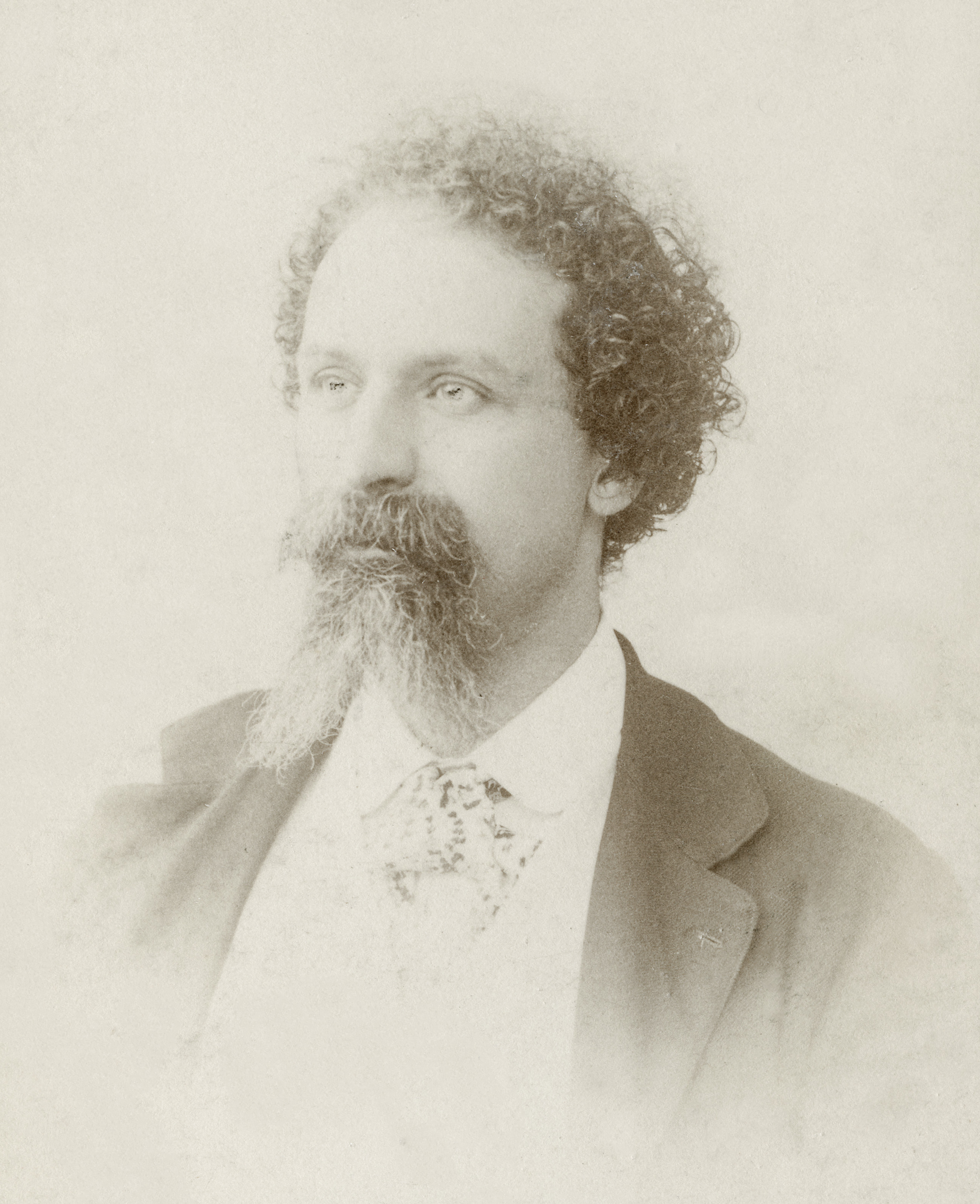
In 1901, an Italian sociologist stood before students at the University of Naples and fundamentally reimagined what crime is and how society should respond to it. This book contains those three revolutionary lectures. Enrico Ferri, a founding father of criminology, dismantled the classical view that crime represents simple moral failing, arguing instead that criminal behavior emerges from a complex web of anthropological, social, and environmental forces. He saw crime not as a sin to punish but as a phenomenon to understand, studied through the same empirical methods that had transformed medicine and the natural sciences. Ferri's argument remains startlingly contemporary. He confronts us with an uncomfortable truth: if we accept that poverty, education, heredity, and social conditions shape human behavior, then our penal systems must evolve from instruments of retribution into tools of social welfare. These lectures mark the moment criminology stopped asking "what evil has this person done?" and began asking "what made this person?" For anyone interested in the intellectual origins of modern criminology, this text is where it begins.
Editions
Link to this book
Add a free, dofollow link to Lex on your blog, forum, syllabus, or reading list.

<a href="https://lex-books.com/book/the-positive-school-of-criminology-three-lectures-given-at-the-university-of-nap-1ae2d17f-8a33-4d56-a6de-1e8860598d7e"><img src="https://lex-books.com/badges/read-on-lex.svg" alt="Read The Positive School of Criminology: Three Lectures Given at the University of Naples, Italy on April 22, 23 and 24, 1901 by Enrico Ferri free on Lex" width="160" height="40"></a>[](https://lex-books.com/book/the-positive-school-of-criminology-three-lectures-given-at-the-university-of-nap-1ae2d17f-8a33-4d56-a6de-1e8860598d7e)[url=https://lex-books.com/book/the-positive-school-of-criminology-three-lectures-given-at-the-university-of-nap-1ae2d17f-8a33-4d56-a6de-1e8860598d7e][img]https://lex-books.com/badges/read-on-lex.svg[/img][/url]Read The Positive School of Criminology: Three Lectures Given at the University of Naples, Italy on April 22, 23 and 24, 1901 by Enrico Ferri free on Lex: https://lex-books.com/book/the-positive-school-of-criminology-three-lectures-given-at-the-university-of-nap-1ae2d17f-8a33-4d56-a6de-1e8860598d7eCite this book
Reading this edition for a paper or guide? Copy a citation.
Ferri, Enrico. The Positive School of Criminology: Three Lectures Given at the University of Naples, Italy on April 22, 23 and 24, 1901. Lex, lex-books.com/book/the-positive-school-of-criminology-three-lectures-given-at-the-university-of-nap-1ae2d17f-8a33-4d56-a6de-1e8860598d7e.Ferri, E. (n.d.). The Positive School of Criminology: Three Lectures Given at the University of Naples, Italy on April 22, 23 and 24, 1901. Lex. https://lex-books.com/book/the-positive-school-of-criminology-three-lectures-given-at-the-university-of-nap-1ae2d17f-8a33-4d56-a6de-1e8860598d7eFerri, Enrico. The Positive School of Criminology: Three Lectures Given at the University of Naples, Italy on April 22, 23 and 24, 1901. Lex. https://lex-books.com/book/the-positive-school-of-criminology-three-lectures-given-at-the-university-of-nap-1ae2d17f-8a33-4d56-a6de-1e8860598d7e.