Emperor of Hindustan Jahangir
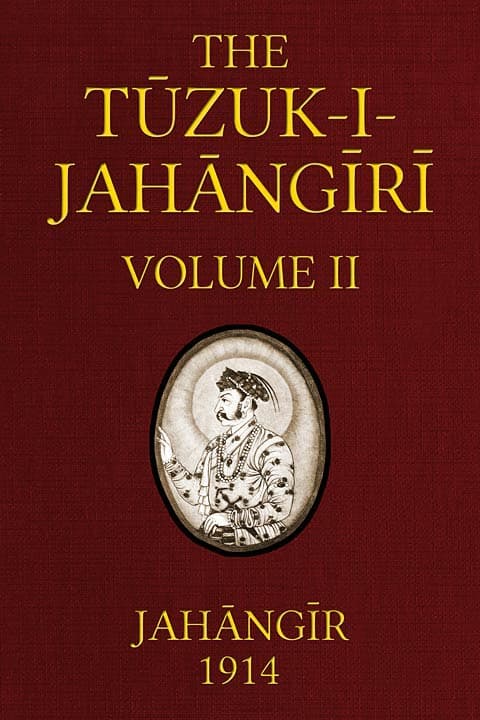
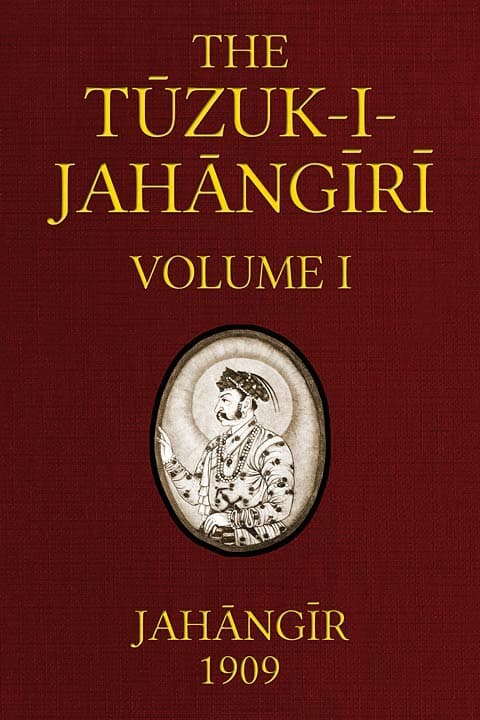
Jahangir, the fourth Mughal emperor of India, was a significant figure in the early 17th century, known for his patronage of the arts and his interest in the natural world. Born in 1569, he ascended to the throne in 1605 and ruled until his death in 1627. His reign was marked by a blend of political acumen and a deep appreciation for culture, which he expressed through his extensive writings and artistic patronage. Jahangir's memoirs, compiled in 'The Tuzuk-I-Jahangiri,' provide a unique insight into his life, thoughts, and the Mughal court, revealing not only the political landscape of his time but also his personal reflections on love, nature, and spirituality. The 'Tuzuk-I-Jahangiri,' or 'Memoirs of Jahangir,' is a significant literary work that stands out for its autobiographical nature, making it one of the earliest examples of memoir writing in South Asia. Jahangir's narrative style blends historical events with personal anecdotes, offering readers a glimpse into the complexities of his character and the challenges he faced as a ruler. His writings also reflect his deep interest in painting and the natural sciences, as he often documented his observations of flora and fauna, which contributed to the cultural richness of the Mughal Empire. Jahangir's legacy is not only that of a ruler but also as a patron of the arts, whose memoirs continue to be a valuable resource for understanding the Mughal era and its cultural achievements.
Books from the author



Link to this page
Add a free, dofollow link to Lex on your blog, forum, syllabus, or reading list.

<a href="https://lex-books.com/author/emperor-of-hindustan-jahangir"><img src="https://lex-books.com/badges/read-on-lex.svg" alt="Emperor of Hindustan Jahangir on Lex" width="160" height="40"></a>[](https://lex-books.com/author/emperor-of-hindustan-jahangir)[url=https://lex-books.com/author/emperor-of-hindustan-jahangir][img]https://lex-books.com/badges/read-on-lex.svg[/img][/url]Emperor of Hindustan Jahangir on Lex: https://lex-books.com/author/emperor-of-hindustan-jahangir