Who Spoke Next
What if the objects in your home could remember? In this singular work of early American children's literature, Eliza Lee Cabot Follen gives voice to the belongings that witnessed a nation's founding. A musket recounts its journey from England to the fields of Lexington, describing in quiet, aching detail the moment its master fell in the first confrontation with British soldiers. A warming pan remembers the colonial household it kept warm through long winters. A tea kettle listens as families debate independence over cups of tea that will soon become contraband. Each object carries not just its own story, but the intimate, unseen moments of the families who owned it: their fears, their hopes, their small daily kindnesses. Written with the sentimental warmth and moral gravity characteristic of 19th-century children's literature, these stories use an unexpected device, the perspective of the inanimate, to make history feel immediate and personal. The result is neither nostalgic celebration nor simple moral lesson, but something more interesting: a meditation on how we are remembered by the things we leave behind, and what they witness that we cannot.
Editions
Link to this book
Add a free, dofollow link to Lex on your blog, forum, syllabus, or reading list.

<a href="https://lex-books.com/book/who-spoke-next-4b139a2b-2f5a-47f3-911d-4cf410c1fb64"><img src="https://lex-books.com/badges/read-on-lex.svg" alt="Read Who Spoke Next by Eliza Lee Cabot Follen free on Lex" width="160" height="40"></a>[](https://lex-books.com/book/who-spoke-next-4b139a2b-2f5a-47f3-911d-4cf410c1fb64)[url=https://lex-books.com/book/who-spoke-next-4b139a2b-2f5a-47f3-911d-4cf410c1fb64][img]https://lex-books.com/badges/read-on-lex.svg[/img][/url]Read Who Spoke Next by Eliza Lee Cabot Follen free on Lex: https://lex-books.com/book/who-spoke-next-4b139a2b-2f5a-47f3-911d-4cf410c1fb64Cite this book
Reading this edition for a paper or guide? Copy a citation.
Follen, Eliza Lee Cabot. Who Spoke Next. Lex, lex-books.com/book/who-spoke-next-4b139a2b-2f5a-47f3-911d-4cf410c1fb64.Follen, E. L. C. (n.d.). Who Spoke Next. Lex. https://lex-books.com/book/who-spoke-next-4b139a2b-2f5a-47f3-911d-4cf410c1fb64Follen, Eliza Lee Cabot. Who Spoke Next. Lex. https://lex-books.com/book/who-spoke-next-4b139a2b-2f5a-47f3-911d-4cf410c1fb64.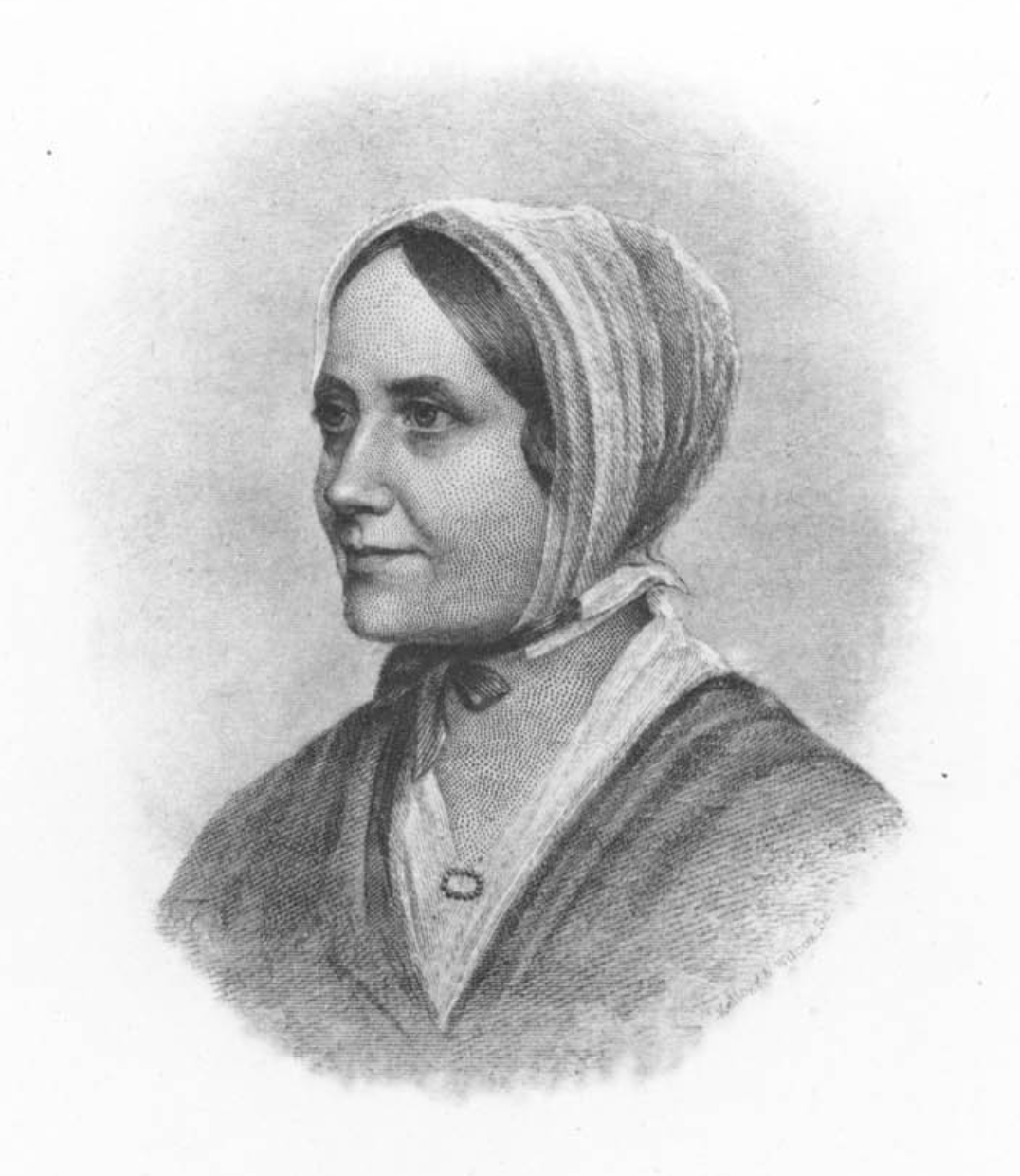

![Night Watches [complete]](/_next/image?url=https%3A%2F%2Fd3b2n8gj62qnwr.cloudfront.net%2FCOVERS%2Fgutenberg_covers75k%2Febook-12161.png&w=3840&q=75)