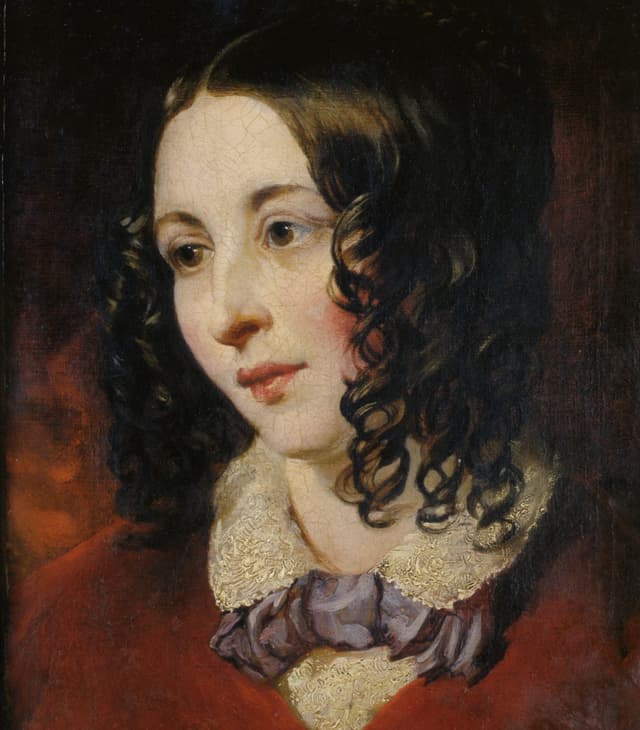
Eliza Cook
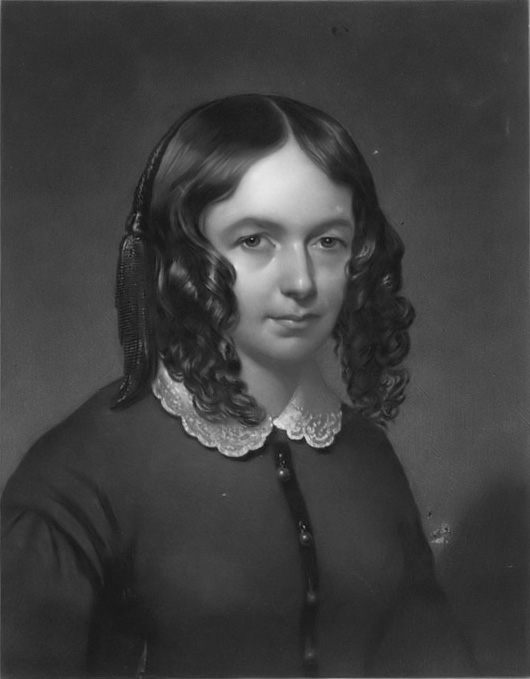
Eliza Cook was an influential English author and poet known for her passionate advocacy of women's rights and social reform during the 19th century. Born in 1818, she became associated with the Chartist movement, which sought political representation for the working class. Cook's writings often reflected her belief in the power of education and self-improvement, a philosophy she termed 'levelling up.' Her poetry and essays resonated with the working-class populace in both England and America, earning her a significant following and establishing her as a prominent voice in the fight for social justice. Among her notable works, Cook's poetry collections, such as "Poems by Eliza Cook," showcased her lyrical talent and commitment to social issues. She used her platform to address the challenges faced by women and the working class, making her a pioneering figure in the realm of feminist literature. Cook's legacy endures as a testament to the role of literature in advocating for social change and the empowerment of marginalized voices, marking her as a significant figure in the literary and political landscape of her time.
Famous Quotes
View all 3 quotes“How cruelly sweet are the echoes that start, when memory plays an old tune on the heart!”
“I prize the soul that slumbers in a quiet eye.”
“The caw of a rook on its homeward way, Oh! These shall be the music for me, For I love I love the path of the free”
Books from the author


Link to this page
Add a free, dofollow link to Lex on your blog, forum, syllabus, or reading list.

<a href="https://lex-books.com/author/eliza-cook"><img src="https://lex-books.com/badges/read-on-lex.svg" alt="Eliza Cook on Lex" width="160" height="40"></a>[](https://lex-books.com/author/eliza-cook)[url=https://lex-books.com/author/eliza-cook][img]https://lex-books.com/badges/read-on-lex.svg[/img][/url]Eliza Cook on Lex: https://lex-books.com/author/eliza-cook