Edwin Muir
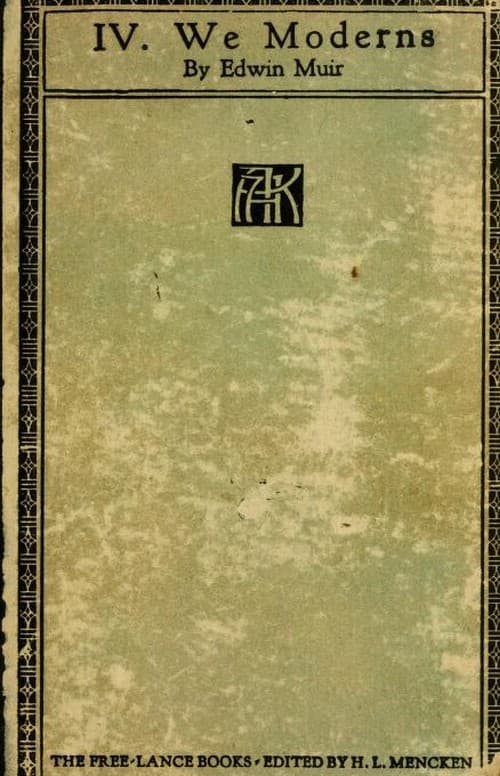
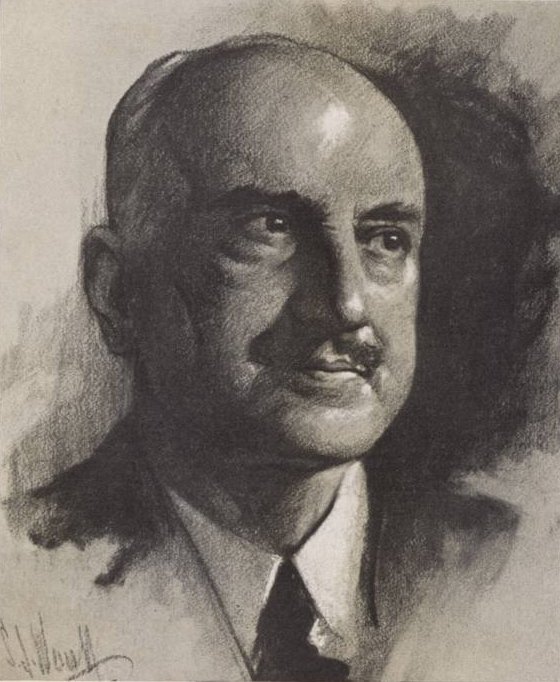
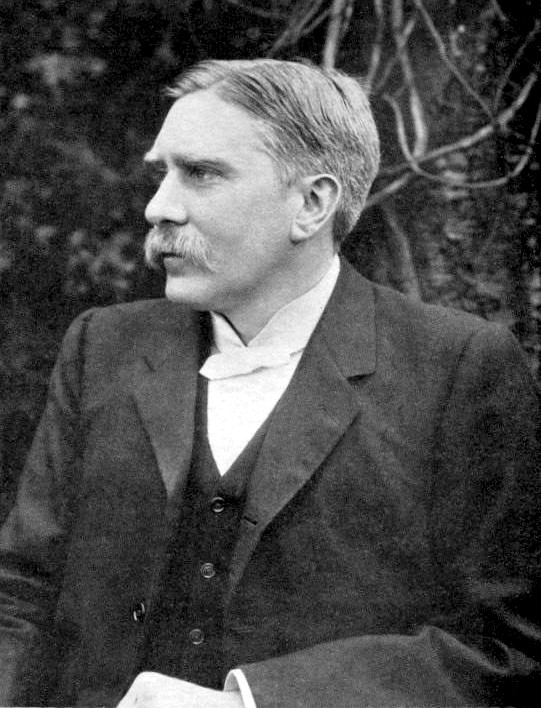
Edwin Muir was a Scottish poet, novelist, and translator, known for his evocative and accessible poetry that often explored themes of nature, humanity, and the complexities of existence. Born on a farm in Deerness, Orkney, Muir's early life in the rural landscape profoundly influenced his literary voice, which was characterized by its emotional depth and clarity. He gained recognition for his works such as 'The Portrait', 'The Labyrinth', and 'The Passages', which reflect his philosophical inquiries and personal experiences, often drawing from his Orkney roots. Muir's literary significance lies not only in his poetry but also in his translations and essays that contributed to the understanding of European literature. His translations of Franz Kafka's works introduced English-speaking audiences to the complexities of Kafka's thought, while his own writings often grappled with existential themes, making him a pivotal figure in 20th-century literature. Muir's legacy endures through his ability to convey profound ideas in straightforward language, making his work accessible and impactful, and he remains a respected voice in Scottish literature and beyond.
Famous Quotes
View all 3 quotes“Light and praise, Love and atonement, harmony and peace. Touch me, assail me, break and make my heart.”
“Since I emerged that day from the labyrinth, Dazed with the tall and echoing passages, The swift recoils, so many I almost feared I’d meet myself returning at some smooth corner, Myself or my ghost, for all there was unreal After the straw ceased rustling and the bull Lay dead upon the straw and I remained… I could not live if this were not illusion. It is a world, perhaps; but there’s another. For once in a dream or trance I saw the gods Each sitting on the top of his mountain-isle, While down below the little ships sailed by… That was the real world; I have touched it once, And now shall know it always. But the lie, The maze, the wild-wood waste of falsehood, roads That run and run and never reach an end, Embowered in error – I’d be prisoned there But that my soul has birdwings to fly free. Oh these deceits are strong almost as life. Last night I dreamt I was in the labyrinth, And woke far on. I did not know the place.”
“The Hotel dining-room, like most of the others I was to find in the Highlands, had its walls covered with pictures of all sorts of wild game, living or in the various postures of death that are produced by sport. Between these pictures the walls were alert with the stuffed heads of deer, furnished with antlers of every degree of magnificence. A friend of mine has a theory that these pictures of dying birds and wounded beasts are intended to whet the diner's appetite, and perhaps they did in the more lusty age of Victoria; but I found they had the opposite effect on me, and had to keep my eyes from straying too often to them. In one particular hotel this idea was carried out with such thoroughness that the walls of its dining room looked like a shambles, they presented such an overwhelming array of bleeding birds, beasts and fishes. To find these abominations on the walls of Highland hotels, among a people of such delicacy in other things, is peculiarly revolting, and rubs in with superfluous force that this is a land whose main contemporary industry is the shooting down of wild creatures; not production of any kind but wholesale destruction. This state of things is not the fault of the Highlanders, but of the people who have bought their country and come to it chiefly to kill various forms of life.”
Books from the author




Link to this page
Add a free, dofollow link to Lex on your blog, forum, syllabus, or reading list.

<a href="https://lex-books.com/author/edwin-muir"><img src="https://lex-books.com/badges/read-on-lex.svg" alt="Edwin Muir on Lex" width="160" height="40"></a>[](https://lex-books.com/author/edwin-muir)[url=https://lex-books.com/author/edwin-muir][img]https://lex-books.com/badges/read-on-lex.svg[/img][/url]Edwin Muir on Lex: https://lex-books.com/author/edwin-muir