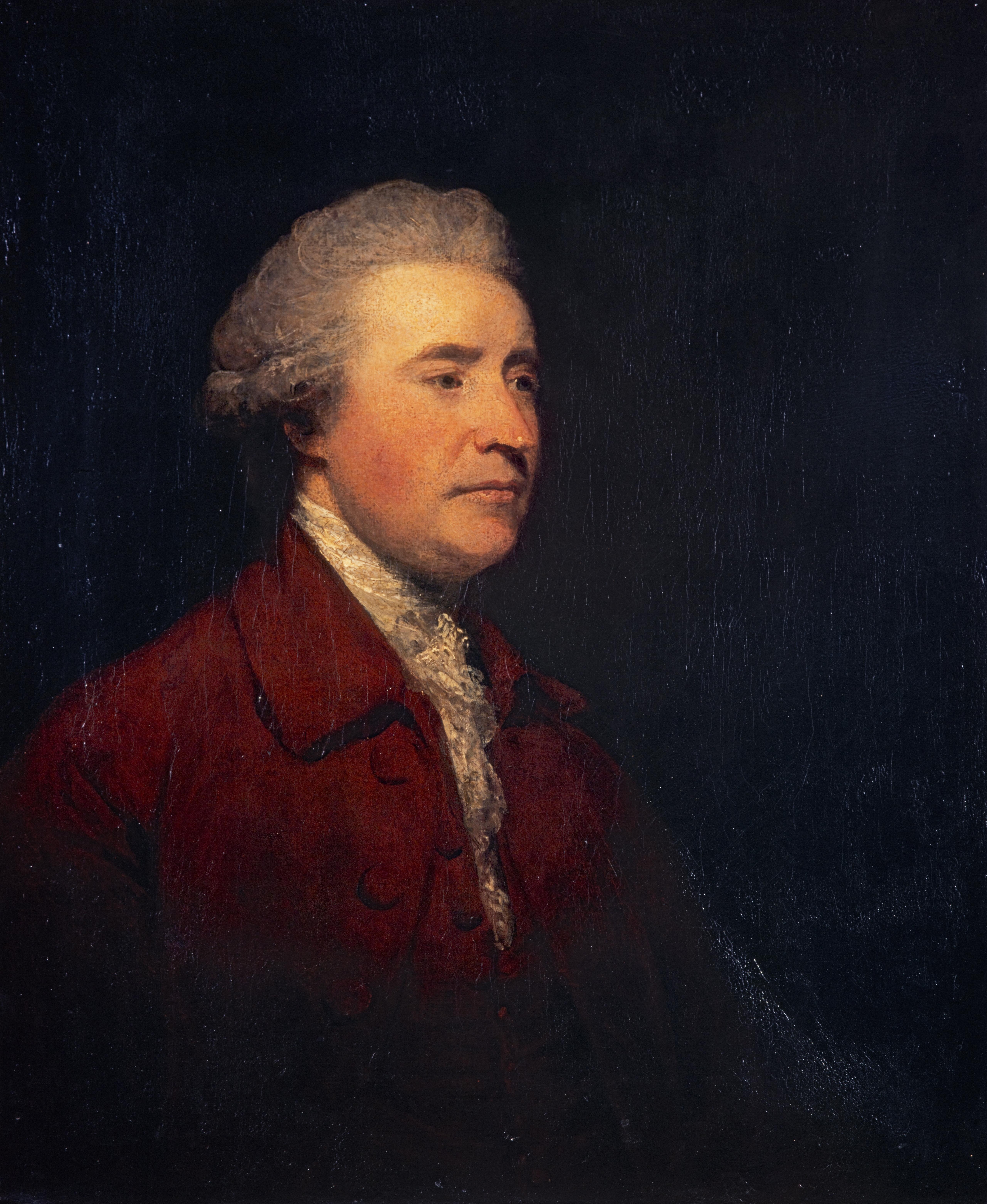
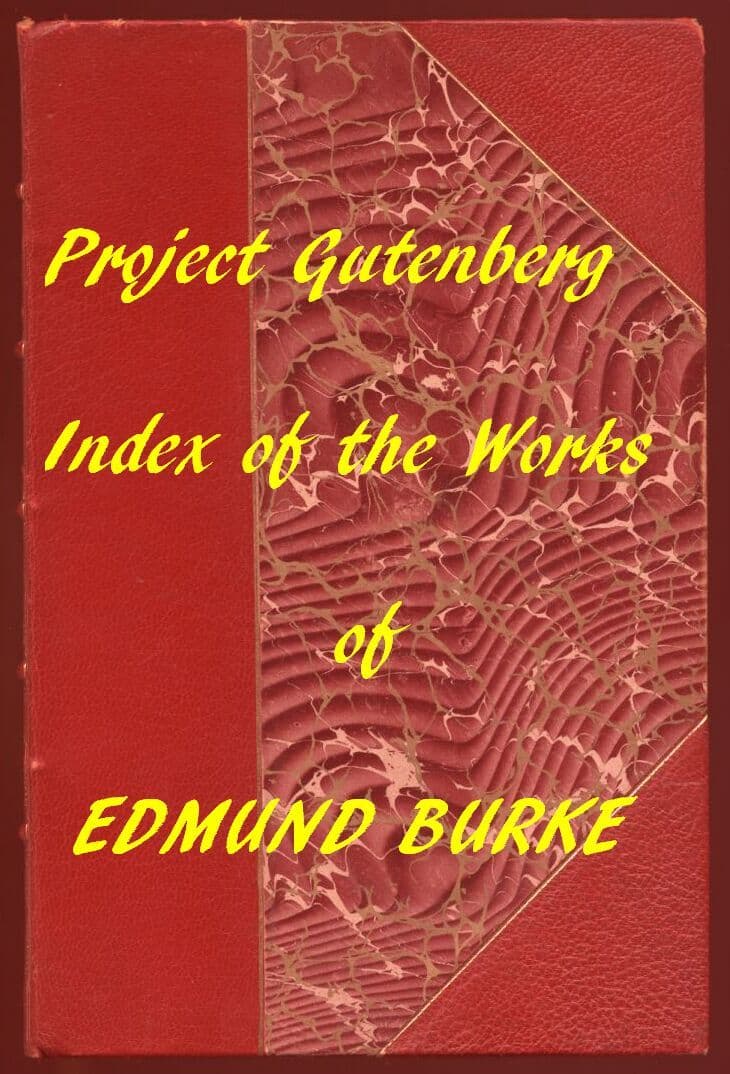
Burke's Speech on Conciliation with America
Burke's Speech on Conciliation with America
Edmund Burke's 1775 speech to the House of Commons is a masterwork of political rhetoric that argues, with extraordinary prescience, that you cannot coerce a people into obedience. Speaking just months before Lexington and Concord, Burke implored Parliament to understand the American colonies not as stubborn subjects to be subdued, but as a people whose grievances were rooted in genuine feeling and historical right. He rejected the abstract question of Parliament's legal authority in favor of a ruthlessly practical argument: the colonies were too vast, too proud, and too geographically remote to be held by force. The speech builds its case through careful examination of colonial opinion, the economics of empire, and the ancient constitutional rights of Englishmen, all delivered in prose of remarkable sweep and dignity. What makes this oration resonate across centuries is not merely its prophetic warning about war with America, but its deeper insight into the nature of legitimate governance: that authority must be earned through justice and consent, not imposed through violence and statute. Burke emerges not as a partisan of either side, but as a statesman who understood that empire, like liberty, must be cultivated or it will wither.
Editions
X-Ray
“It is not, what a lawyer tells me I do; but what humanity, reason, and justice, tell me I ought to do.””
— Edmund Burke
“The proposition is peace. Not peace through the medium of war; not peace to be hunted through the labyrinth of intricate and endless negotiations; not peace to arise out of universal discord, fomented from principle, in all parts of the empire; not peace to depend on the juridical determination of perplexing questions, or the precise marking the shadowy boundaries of a complex government. It is simple peace, sought in its natural course and in its ordinary haunts. It is peace sought in the spirit of peace, and laid in principles purely pacific.””
— Edmund Burke
“It was not English arms, but the English Constitution, that conquered Ireland.””
— Edmund Burke
“All government, indeed every human benefit and enjoyment, every virtue and every prudent act, is founded on compromise and barter. We balance inconveniences; we give and take; we remit some rights, that we may enjoy others; and we choose rather to be happy citizens than subtle disputants.””
— Edmund Burke
Link to this book
Add a free, dofollow link to Lex on your blog, forum, syllabus, or reading list.

<a href="https://lex-books.com/book/burke-s-speech-on-conciliation-with-america-78e5501b-6e9e-4db7-b74e-1925e350df98"><img src="https://lex-books.com/badges/read-on-lex.svg" alt="Read Burke's Speech on Conciliation with America by Edmund Burke free on Lex" width="160" height="40"></a>[](https://lex-books.com/book/burke-s-speech-on-conciliation-with-america-78e5501b-6e9e-4db7-b74e-1925e350df98)[url=https://lex-books.com/book/burke-s-speech-on-conciliation-with-america-78e5501b-6e9e-4db7-b74e-1925e350df98][img]https://lex-books.com/badges/read-on-lex.svg[/img][/url]Read Burke's Speech on Conciliation with America by Edmund Burke free on Lex: https://lex-books.com/book/burke-s-speech-on-conciliation-with-america-78e5501b-6e9e-4db7-b74e-1925e350df98Cite this book
Reading this edition for a paper or guide? Copy a citation.
Burke, Edmund. Burke's Speech on Conciliation with America. Lex, lex-books.com/book/burke-s-speech-on-conciliation-with-america-78e5501b-6e9e-4db7-b74e-1925e350df98.Burke, E. (n.d.). Burke's Speech on Conciliation with America. Lex. https://lex-books.com/book/burke-s-speech-on-conciliation-with-america-78e5501b-6e9e-4db7-b74e-1925e350df98Burke, Edmund. Burke's Speech on Conciliation with America. Lex. https://lex-books.com/book/burke-s-speech-on-conciliation-with-america-78e5501b-6e9e-4db7-b74e-1925e350df98.