The Cask of Amontillado
1846
The most terrifying thing about "The Cask of Amontillado" is not the murder - it's the narrator's calm, collected narration fifty years after the fact. Montresor invites his friend Fortunato to taste a rare sherry, luring him deeper into the family catacombs beneath the carnival noise. Fortunato, drunk and confident, never suspects a thing. What follows is one of literature's most chilling executions of cold-blooded revenge: precise, methodical, utterly without remorse. Poe builds tension like a master mason lays bricks, each step toward the darkness more inevitable than the last. The irony cuts deep: Fortunato's expertise in wine becomes his vulnerability, his pride his undoing, and his final plea - "Montresor... respond to my cry!" - echoes unanswered in the damp stone. Fifty years later, Montresor still sleeps soundly. The story endures because it asks an uncomfortable question: what does perfect revenge look like when the killer never loses a night's sleep?
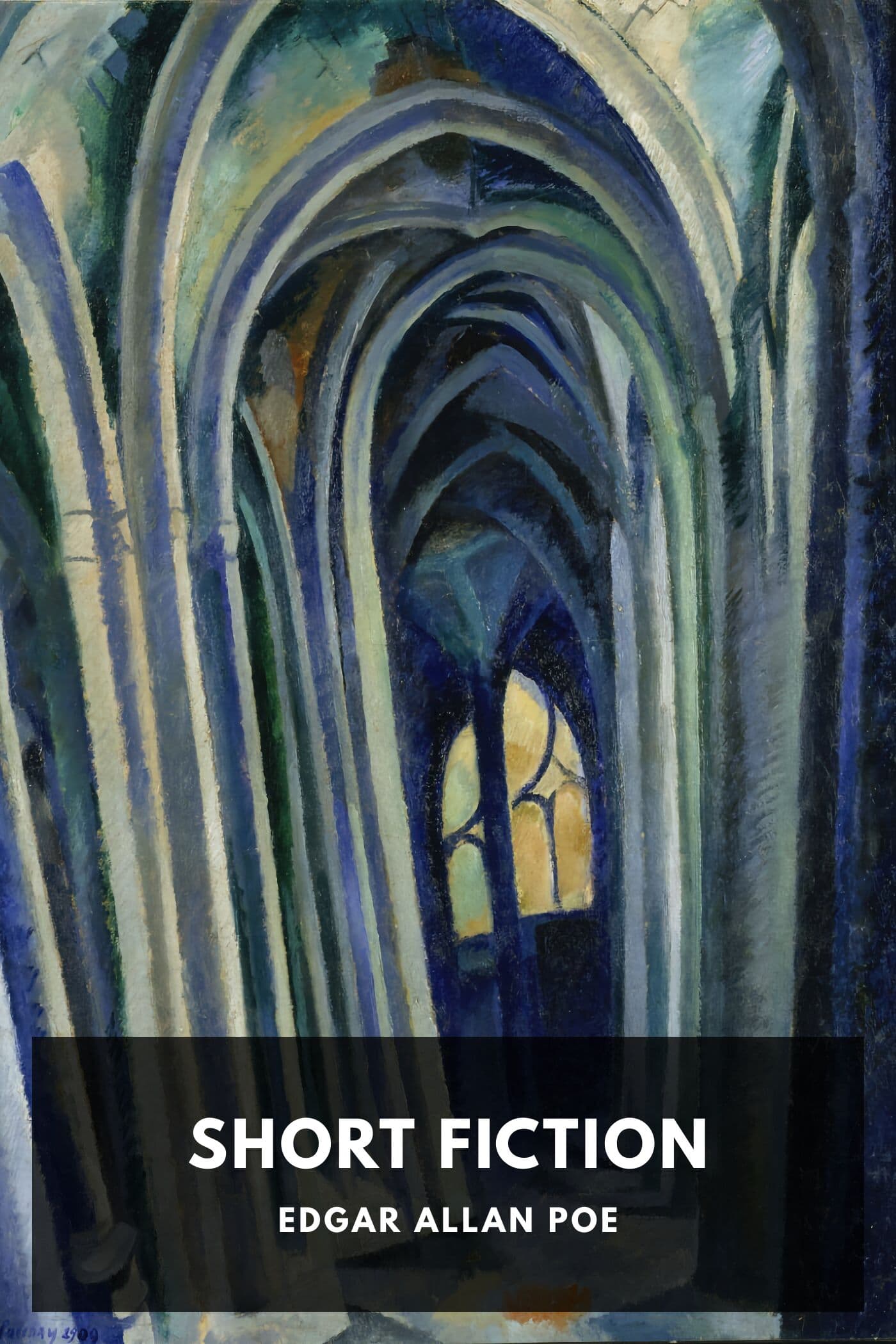
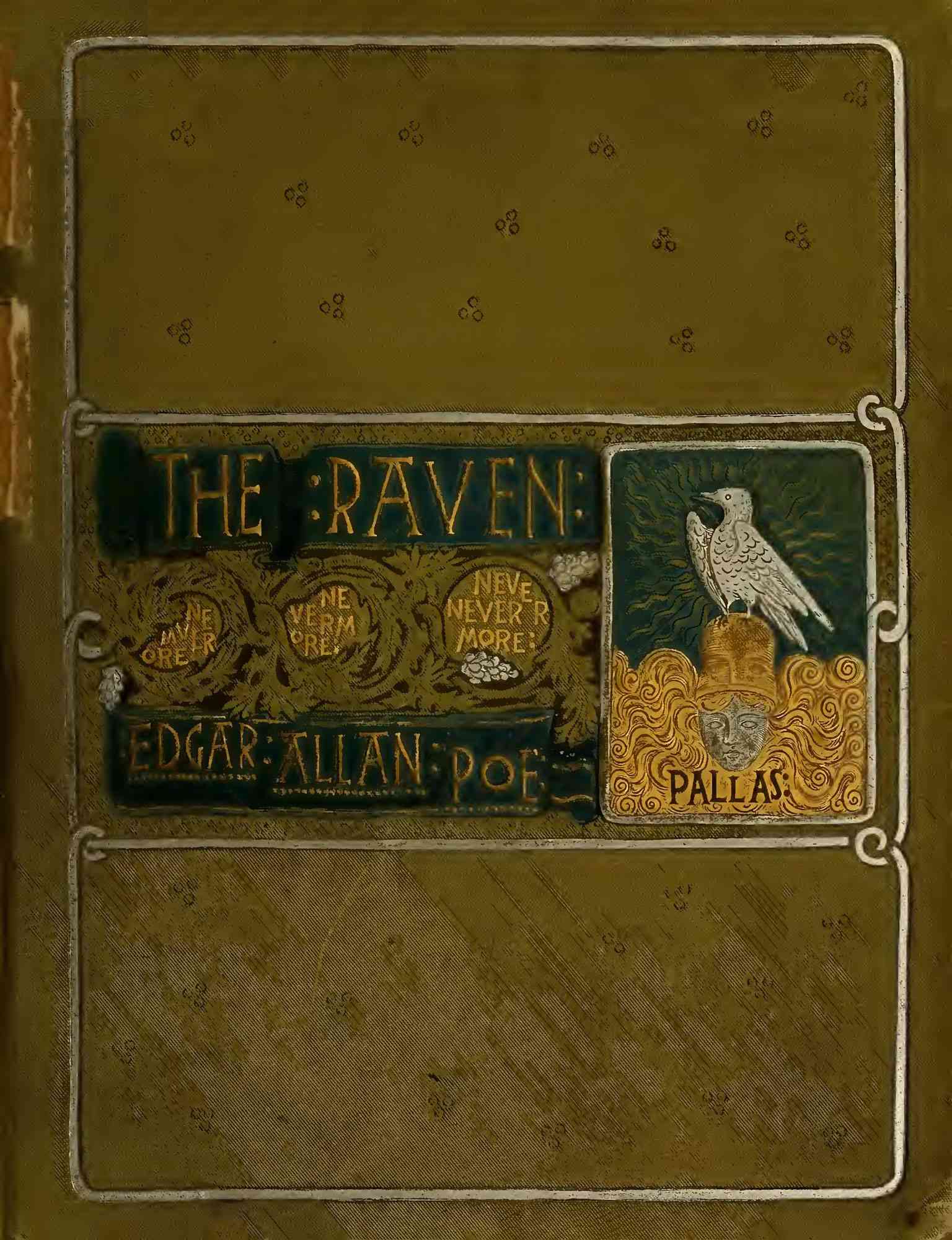
Editions
X-Ray
“A million candles have burned themselves out. Still I read on. (Montresor)””
— Edgar Allan Poe
“THE thousand injuries of Fortunato I had borne as I best could, but when he ventured upon insult I vowed revenge. You, who so well know the nature of my soul, will not suppose, however, that gave utterance to a threat. At length I would be avenged; this was a point definitely, settled --but the very definitiveness with which it was resolved precluded the idea of risk. I must not only punish but punish with impunity. A wrong is unredressed when retribution overtakes its redresser. It is equally unredressed when the avenger fails to make himself felt as such to him who has done the wrong. ””
— Edgar Allan Poe
“Yes," I said, "for the love of God!””
— Edgar Allan Poe
“I continued, as was my wont, to smile in his face, and he did not perceive that my smile now was at the thought of his immolation.””
— Edgar Allan Poe
“Ugh! ugh! ugh!”
— Edgar Allan Poe
“Una injuria queda sin reparar, cuando su justo castigo perjudica al vengador.””
— Edgar Allan Poe
“He did not perceive that my smile now was at the thought of his immolation.””
— Edgar Allan Poe
“How long have you had that cough?" "Ugh! ugh! ugh!”
— Edgar Allan Poe
“The wine sparkled in his eyes””
— Edgar Allan Poe
Link to this book
Add a free, dofollow link to Lex on your blog, forum, syllabus, or reading list.

<a href="https://lex-books.com/book/the-cask-of-amontillado-40ea83c3-1688-4697-98d6-cbd9640ebbce"><img src="https://lex-books.com/badges/read-on-lex.svg" alt="Read The Cask of Amontillado by Edgar Allan Poe free on Lex" width="160" height="40"></a>[](https://lex-books.com/book/the-cask-of-amontillado-40ea83c3-1688-4697-98d6-cbd9640ebbce)[url=https://lex-books.com/book/the-cask-of-amontillado-40ea83c3-1688-4697-98d6-cbd9640ebbce][img]https://lex-books.com/badges/read-on-lex.svg[/img][/url]Read The Cask of Amontillado by Edgar Allan Poe free on Lex: https://lex-books.com/book/the-cask-of-amontillado-40ea83c3-1688-4697-98d6-cbd9640ebbceCite this book
Reading this edition for a paper or guide? Copy a citation.
Poe, Edgar Allan. The Cask of Amontillado. Lex, lex-books.com/book/the-cask-of-amontillado-40ea83c3-1688-4697-98d6-cbd9640ebbce.Poe, E. A. (1846). The Cask of Amontillado. Lex. https://lex-books.com/book/the-cask-of-amontillado-40ea83c3-1688-4697-98d6-cbd9640ebbcePoe, Edgar Allan. The Cask of Amontillado. Lex. https://lex-books.com/book/the-cask-of-amontillado-40ea83c3-1688-4697-98d6-cbd9640ebbce.