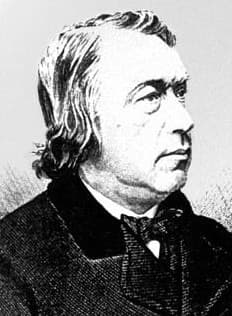
Charles Mackay
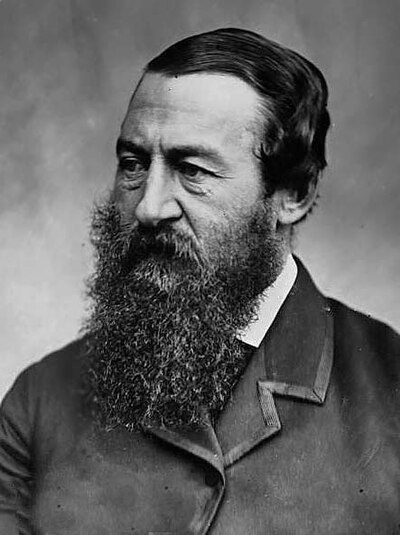
Charles Mackay was a Scottish poet, journalist, and author, best known for his influential work, *Extraordinary Popular Delusions and the Madness of Crowds*. Published in 1841, this seminal book explored the psychology behind mass movements and collective behavior, examining historical events such as the South Sea Bubble and the Tulip Mania. Mackay's keen observations and engaging prose made the work a pioneering study in social psychology, highlighting the often irrational nature of human behavior in groups. In addition to his notable contributions to social commentary, Mackay was a prolific songwriter and wrote several poems and novels throughout his career. His poetry often reflected the sentiments of his time, addressing themes of love, loss, and the human condition. Mackay's legacy lies not only in his literary output but also in his ability to capture the zeitgeist of the 19th century, making him a significant figure in the landscape of Victorian literature. His insights into human folly and societal trends continue to resonate, influencing both literary and psychological discourse long after his passing.
Famous Quotes
View all 3 quotes“You have no enemies, you say? Alas, my friend, the boast is poor. He who has mingled in the fray of duty that the brave endure, must have made foes. If you have none, small is the work that you have done. You’ve hit no traitor on the hip. You’ve dashed no cup from perjured lip. You’ve never turned the wrong to right. You’ve been a coward in the fight.”
“Men, it has been well said, think in herds; it will be seen that they go mad in herds, while they only recover their senses slowly, one by one.”
“In reading The History of Nations, we find that, like individuals, they have their whims and their peculiarities, their seasons of excitement and recklessness, when they care not what they do. We find that whole communities suddenly fix their minds upon one object and go mad in its pursuit; that millions of people become simultaneously impressed with one delusion, and run after it, till their attention is caught by some new folly more captivating than the first.”
Books from the author




Link to this page
Add a free, dofollow link to Lex on your blog, forum, syllabus, or reading list.

<a href="https://lex-books.com/author/charles-mackay"><img src="https://lex-books.com/badges/read-on-lex.svg" alt="Charles Mackay on Lex" width="160" height="40"></a>[](https://lex-books.com/author/charles-mackay)[url=https://lex-books.com/author/charles-mackay][img]https://lex-books.com/badges/read-on-lex.svg[/img][/url]Charles Mackay on Lex: https://lex-books.com/author/charles-mackay