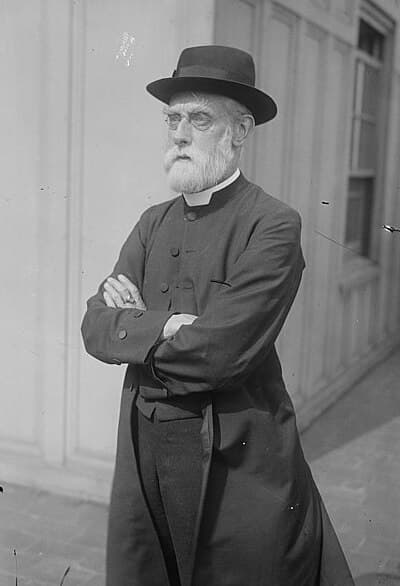
Charles Gore
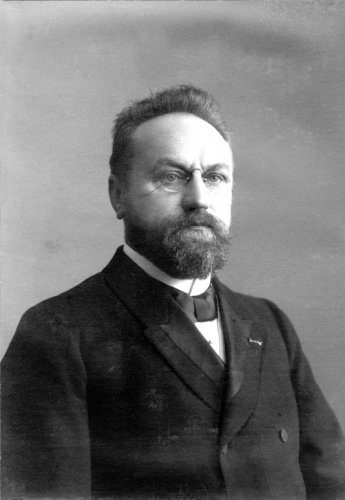
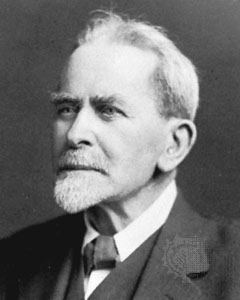
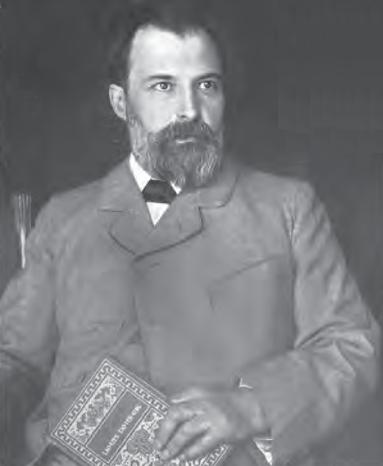
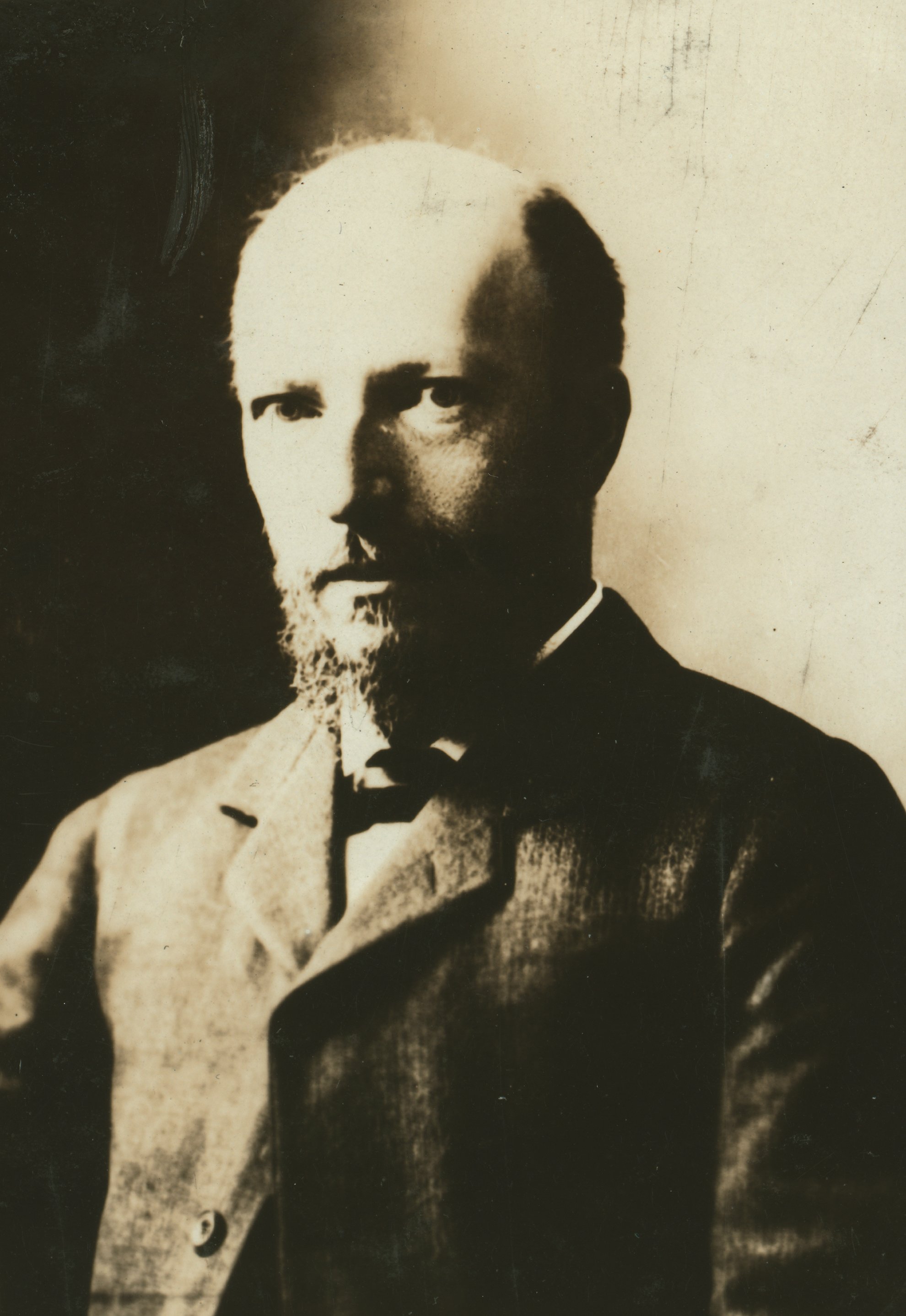
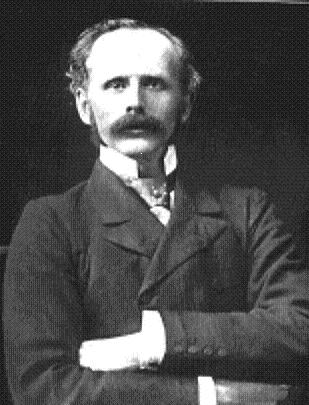
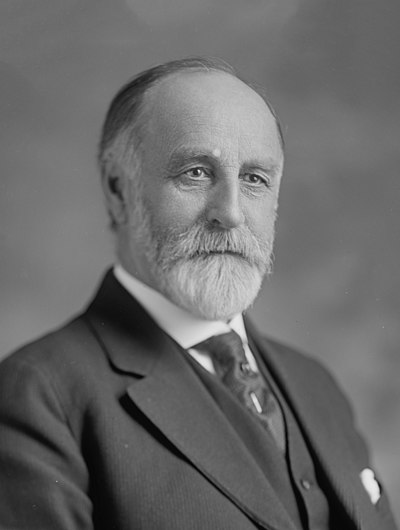
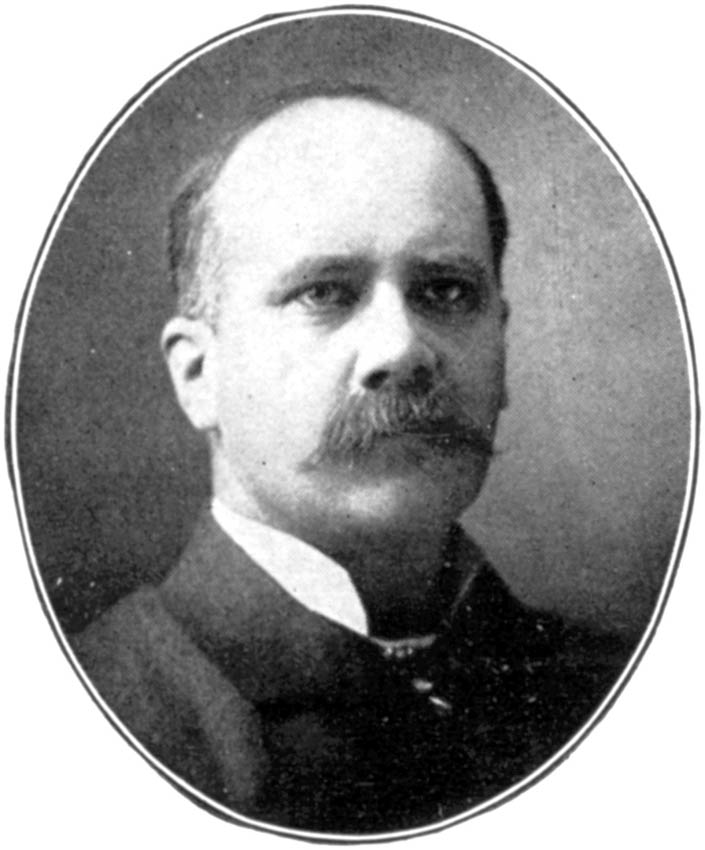
Charles Gore was a prominent Anglican bishop and theologian, known for his influential role in reconciling the Church of England with modern biblical criticism and scientific advancements during the 19th century. He served as the bishop of Worcester, Birmingham, and ultimately Oxford, where his theological insights helped shape contemporary Anglican thought. Gore's work emphasized a Catholic interpretation of faith and sacraments, bridging traditional beliefs with the evolving understanding of the world around him. In addition to his theological contributions, Gore was deeply committed to social action. He founded the monastic Community of the Resurrection and co-founded the Christian Social Union, both of which aimed to address social issues through a Christian lens. His dedication to both faith and social justice earned him respect and recognition, including serving as chaplain to Queen Victoria and King Edward VII. Gore's legacy endures in the Anglican community and beyond, as he paved the way for a more engaged and socially aware church.
Famous Quotes
View all 8 quotes“burning in hellthis piece of me fits in nowhere as other people find thingsto dowith their timeplaces to gowith one anotherthings to sayto each other.Iamburning in hellsome place north of Mexico. flowers don’t grow here.I am not likeother peopleother people are like other people.they are all alike: joining grouping huddlingthey are both gleeful and content andIamburning in hell.my heart is a thousand years old.I am not like other people.I’d die on their picnic grounds smothered by their flags slugged by their songs unloved by their soldiers gored by their humor murdered by their concern.I am not like other people. Iamburning in hell.the hell of myself.””
“As Jefferson wrote in a letter to Charles Yancey: “The functionaries of every government have propensities to command at will the liberty and property of their constituents. There is no safe deposit for these but with the people themselves, nor can they be safe with them without information. Where the press is free, and every man able to read, all is safe.” In the age of our Founders, this human impulse to demand the right of co-creating shared wisdom accounted for the ferocity with which the states demanded protection for free access to the printing press, freedom of assembly, freedom to petition the government, freedom of religion, and freedom of speech. General George Washington, in a speech to officers of the army in 1783, said, “If men are to be precluded from offering their sentiments on a matter which may involve the most serious and alarming consequences that can invite the consideration of mankind, reason is of no use to us; the freedom of speech may be taken away, and dumb and silent we may be led, like sheep to the slaughter.” But the twentieth century brought its own bitter lessons. The new and incredibly powerful electronic media that began to replace the printing press”
“Vrata su se otvorila. Bio je to muškarac, oko četiri i pol decenija, polubogat, polunervozan, s nogama prevelikog broja, prištem na čelu gore lijevo, smeđim očima, kravatom. 2 automobila, 2 kuće, bez djece. Bazen i sauna, igra na burzi i samo je umjereno glup.””
Books from the author
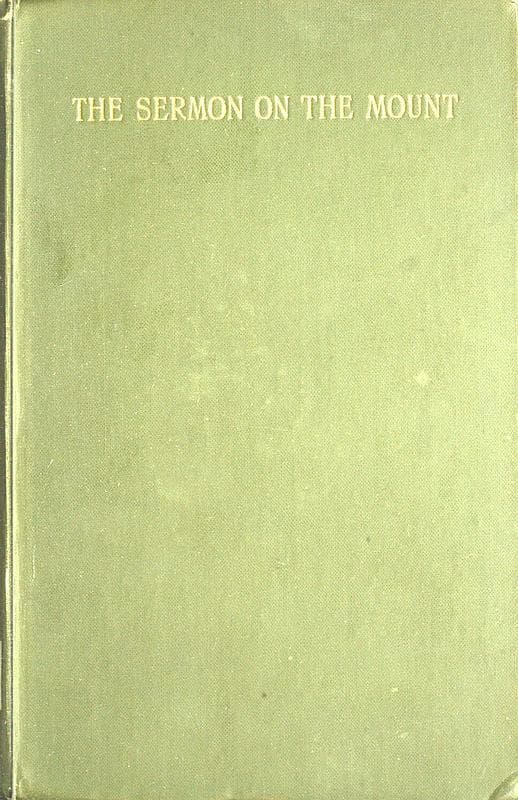

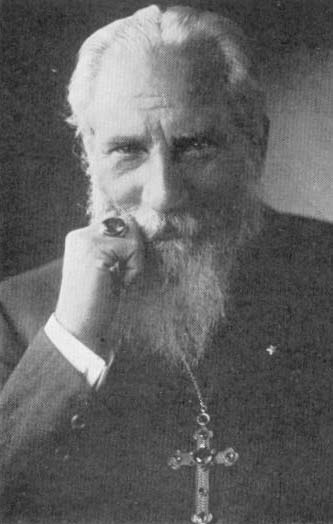
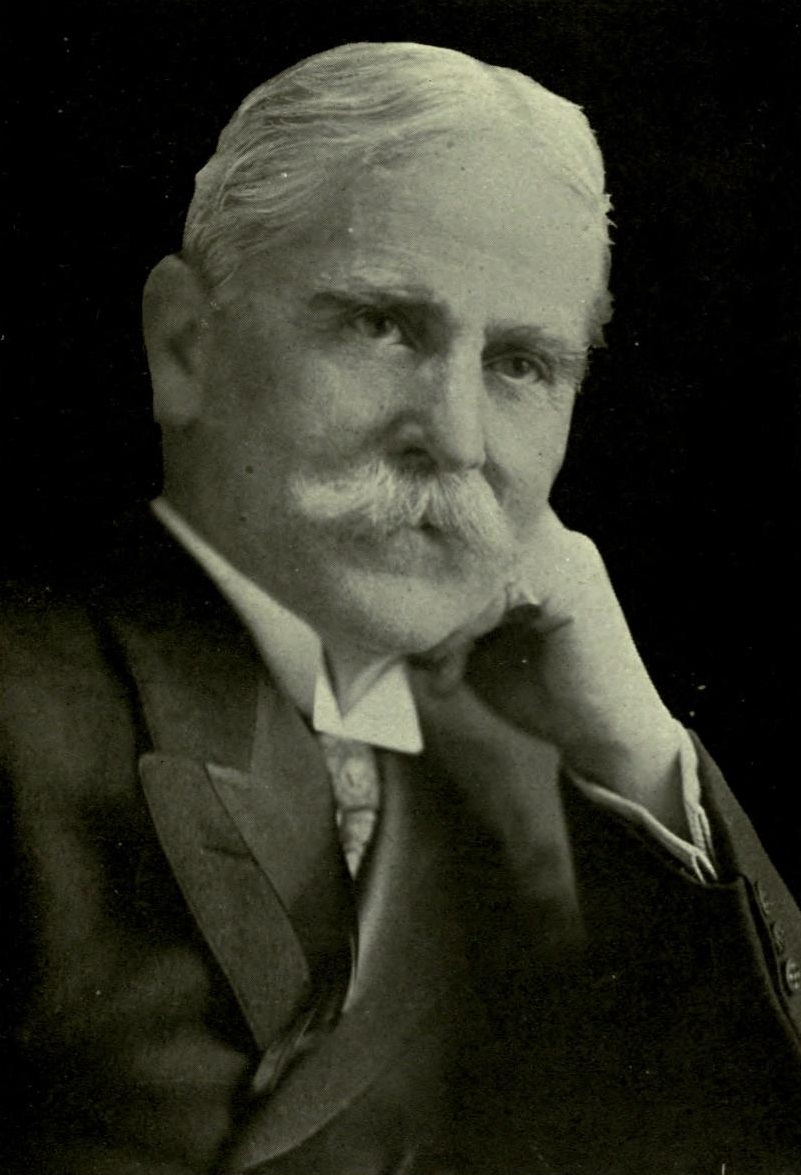
Link to this page
Add a free, dofollow link to Lex on your blog, forum, syllabus, or reading list.

<a href="https://lex-books.com/author/charles-gore"><img src="https://lex-books.com/badges/read-on-lex.svg" alt="Charles Gore on Lex" width="160" height="40"></a>[](https://lex-books.com/author/charles-gore)[url=https://lex-books.com/author/charles-gore][img]https://lex-books.com/badges/read-on-lex.svg[/img][/url]Charles Gore on Lex: https://lex-books.com/author/charles-gore