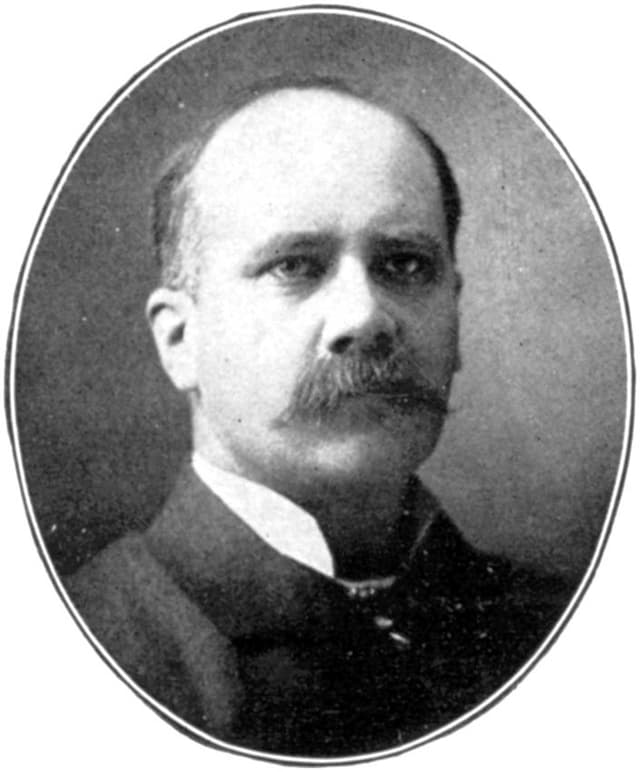
Charles M. Sheldon
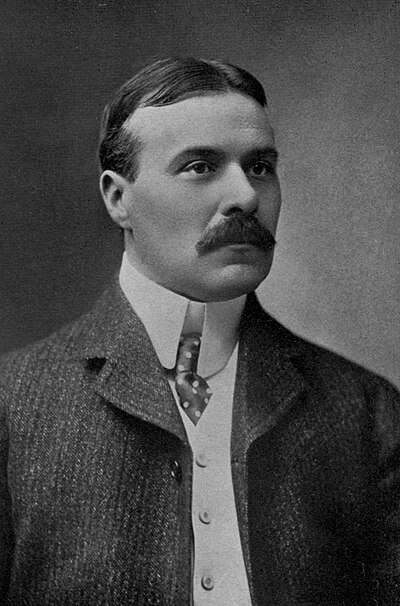
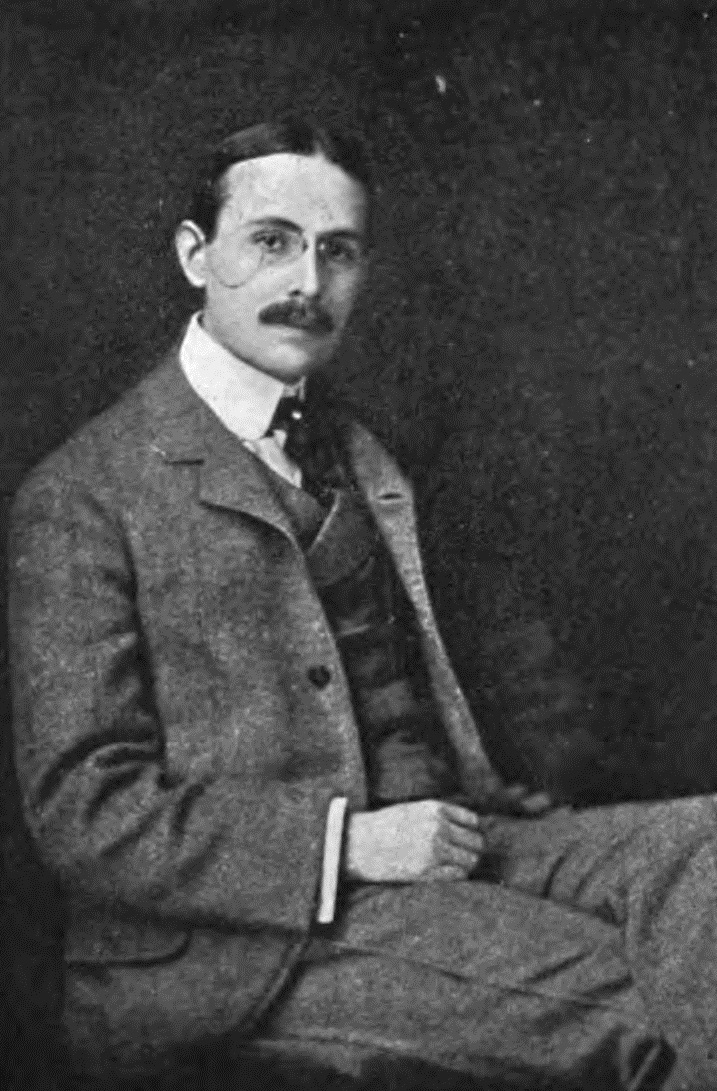
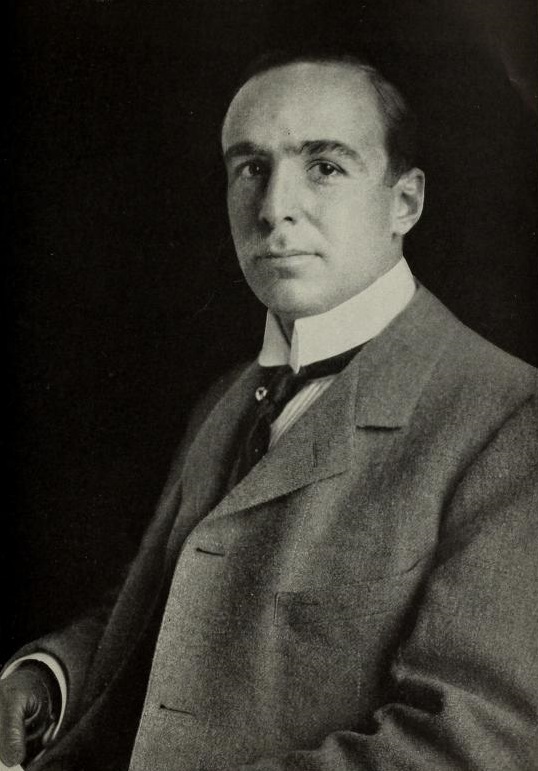
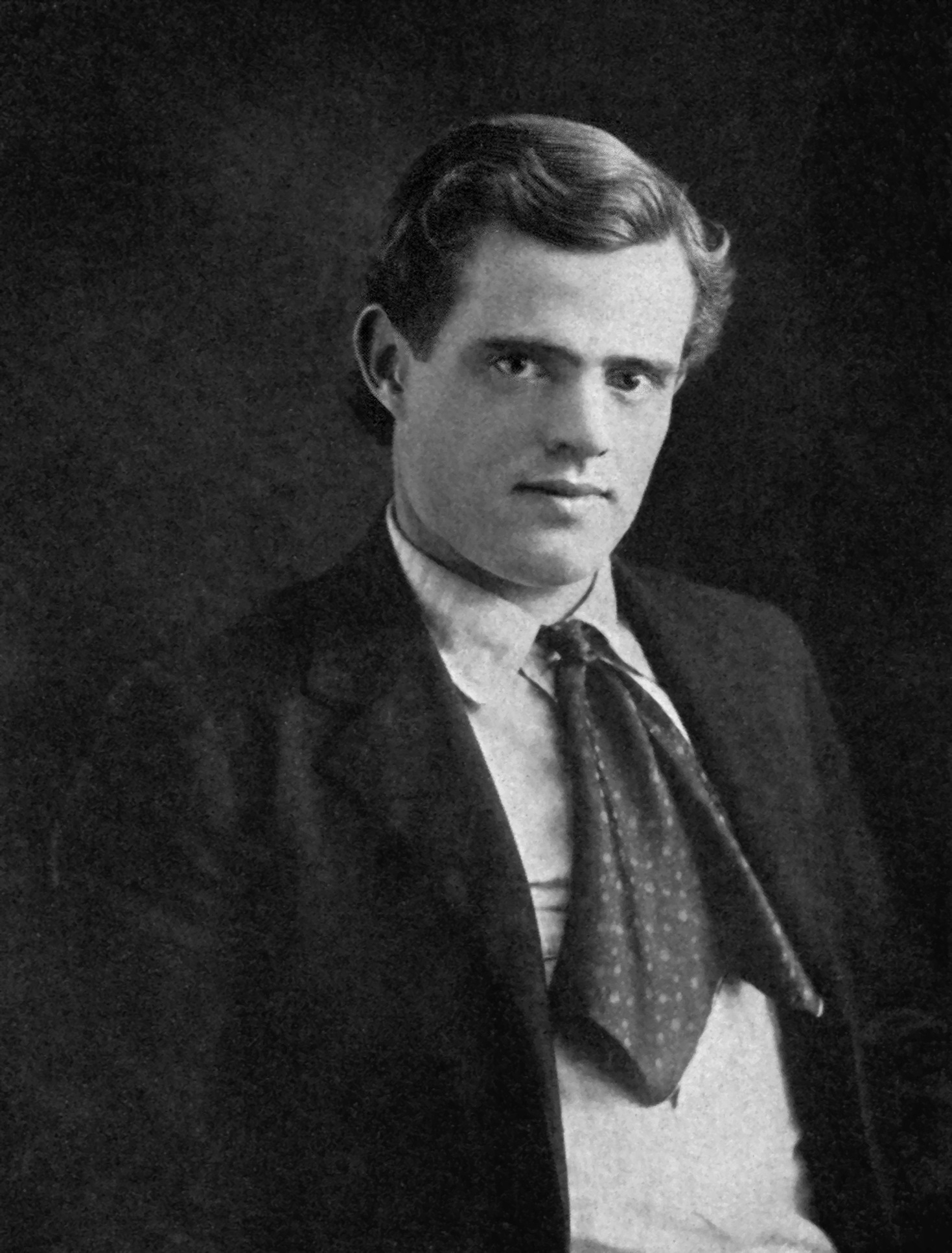
Charles Monroe Sheldon was an influential American Congregationalist minister and a prominent figure in the Social Gospel movement. Born in 1857, he dedicated his life to addressing social issues through a Christian lens, advocating for social justice and moral responsibility. His most notable work, the 1896 novel 'In His Steps,' introduced the now-famous phrase 'What would Jesus do?' This concept encouraged individuals to consider the ethical implications of their actions in everyday life, resonating deeply with readers and shaping Christian thought in the early 20th century. Sheldon's narrative not only provided a framework for personal morality but also inspired a wave of social activism among Christians, making a lasting impact on American religious life. Sheldon's legacy extends beyond his literary contributions; he played a crucial role in promoting the Social Gospel, which sought to apply Christian ethics to social problems such as poverty and inequality. His work has influenced countless individuals and movements, and the phrase he popularized continues to be a guiding principle for many today. In recognition of his contributions, a stretch of US-24 in Topeka, Kansas, was named the 'Charles Sheldon Trafficway,' honoring his commitment to social justice and community service.
Famous Quotes
View all 18 quotes“Good resolutions are like babies crying in church. They should be carried out immediately.””
“Must Jesus bear the cross alone And all the world go free? No, there's a cross for every one, And there's a cross for me.””
“But if our definition of being a Christian is simply to enjoy the privileges of worship, be generous at no expense to ourselves, have a good, easy time surrounded by pleasant friends and by comfortable things, live respectably and at the same time avoid the world's great stress of sin and trouble because it is too much pain to bear it”
Books from the author









Link to this page
Add a free, dofollow link to Lex on your blog, forum, syllabus, or reading list.

<a href="https://lex-books.com/author/charles-m-sheldon"><img src="https://lex-books.com/badges/read-on-lex.svg" alt="Charles M. Sheldon on Lex" width="160" height="40"></a>[](https://lex-books.com/author/charles-m-sheldon)[url=https://lex-books.com/author/charles-m-sheldon][img]https://lex-books.com/badges/read-on-lex.svg[/img][/url]Charles M. Sheldon on Lex: https://lex-books.com/author/charles-m-sheldon