
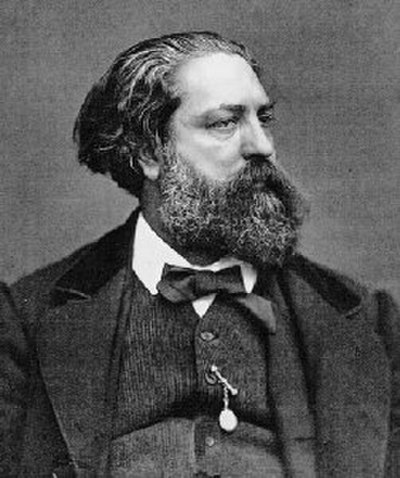
Octave Feuillet
Octave Feuillet was a prominent French novelist and dramatist whose literary career bridged the gap between romanticism and realism. Known for his keen psychological insights and nuanced portrayals of female characters, Feuillet's writing is characterized by a reserved yet witty prose style that captures the complexities of human emotions. His ability to depict life with clarity and depth earned him a respected place in 19th-century literature. Among his notable works, 'Le Roman d'un jeune homme pauvre' (The Story of a Poor Young Man), published in 1858, stands out as his most celebrated novel. This work not only showcases his talent for storytelling but also reflects the social dynamics of his time, leading to numerous adaptations in film across various cultures, including Italian, French, and Argentinian cinema. Feuillet's contributions to literature are significant for their exploration of character psychology and social themes, solidifying his legacy as a key figure in the evolution of modern French literature.
Famous Quotes
View all 1 quotes“La jalousie est une douleur d'une complication affreuse ; elle ne déchire pas seulement le cœur, elle le dégrade. On ne se sent pas seulement torturé, on se sent avili. La blessure n'est pas franche, elle n'est pas saine ; l'orgueil ulcéré, l'envie, la haine s'y mêlent, l'enveniment et la souillent. Il n'y a pas une âme passionnée, je suppose, qui ne soit, à quelque heure maudite, capable de ces indignes sentiments ; le mérite n'est pas d'en être incapable, mais de les détester et de les vaincre.””
Books from the author


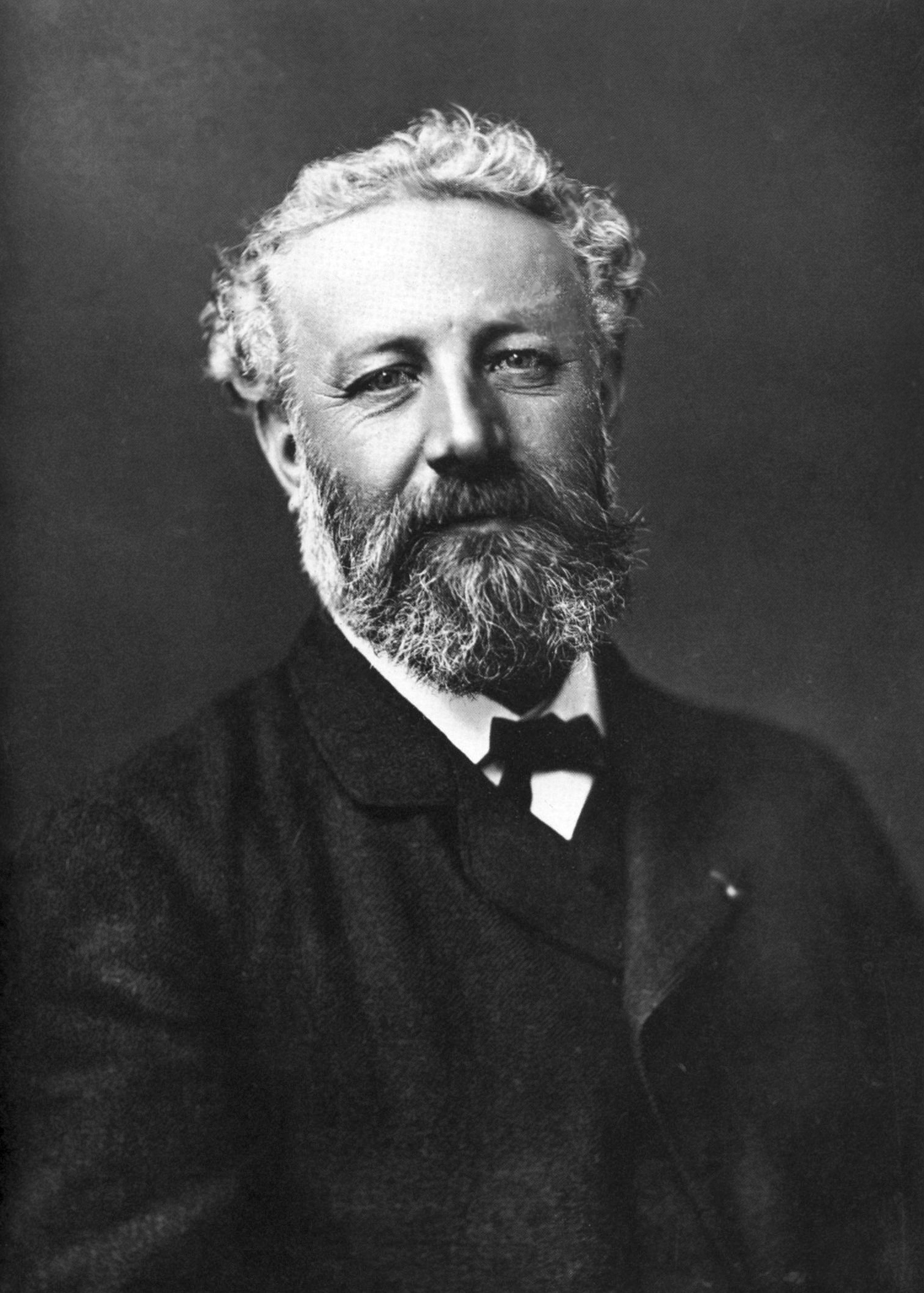
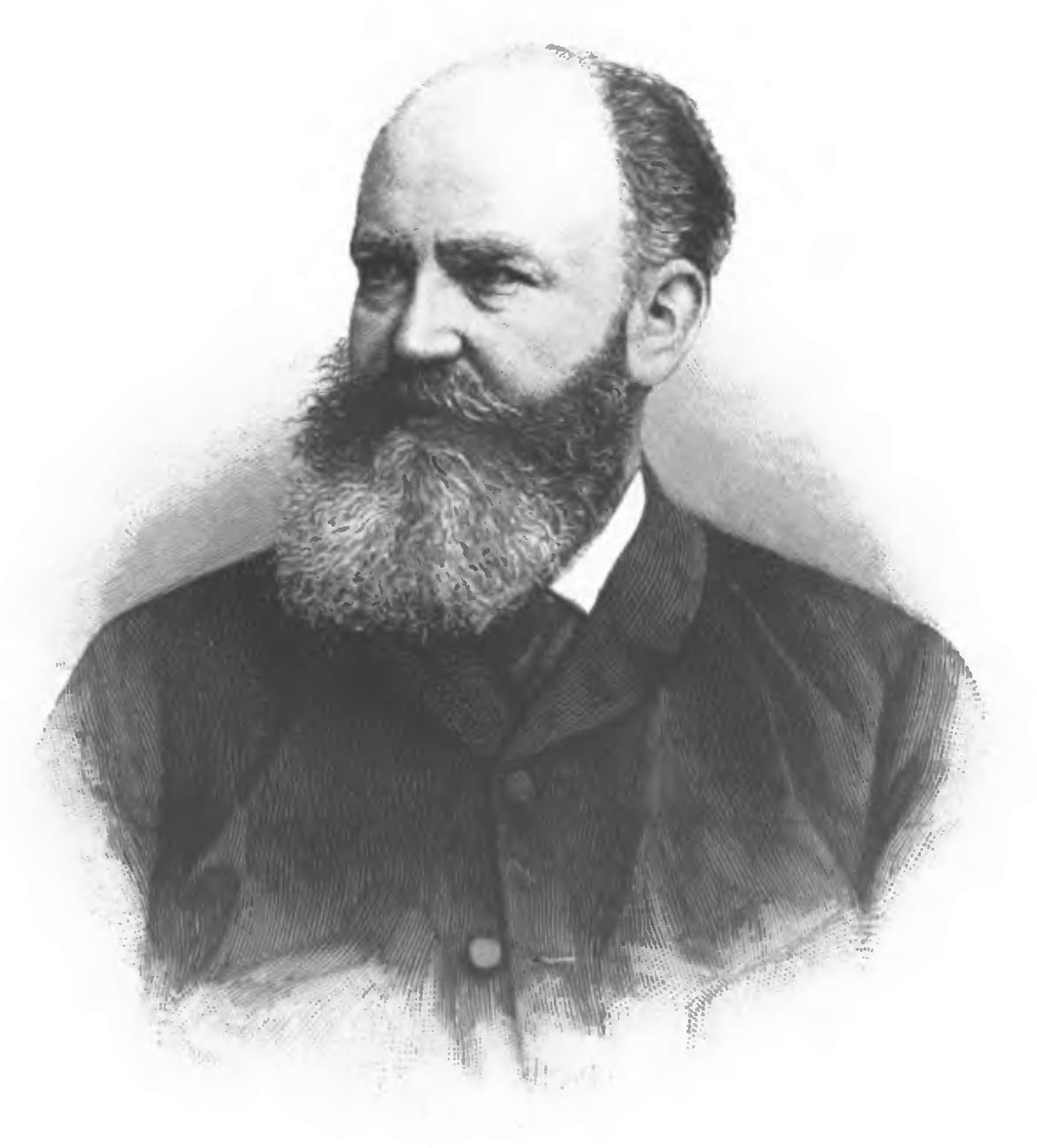
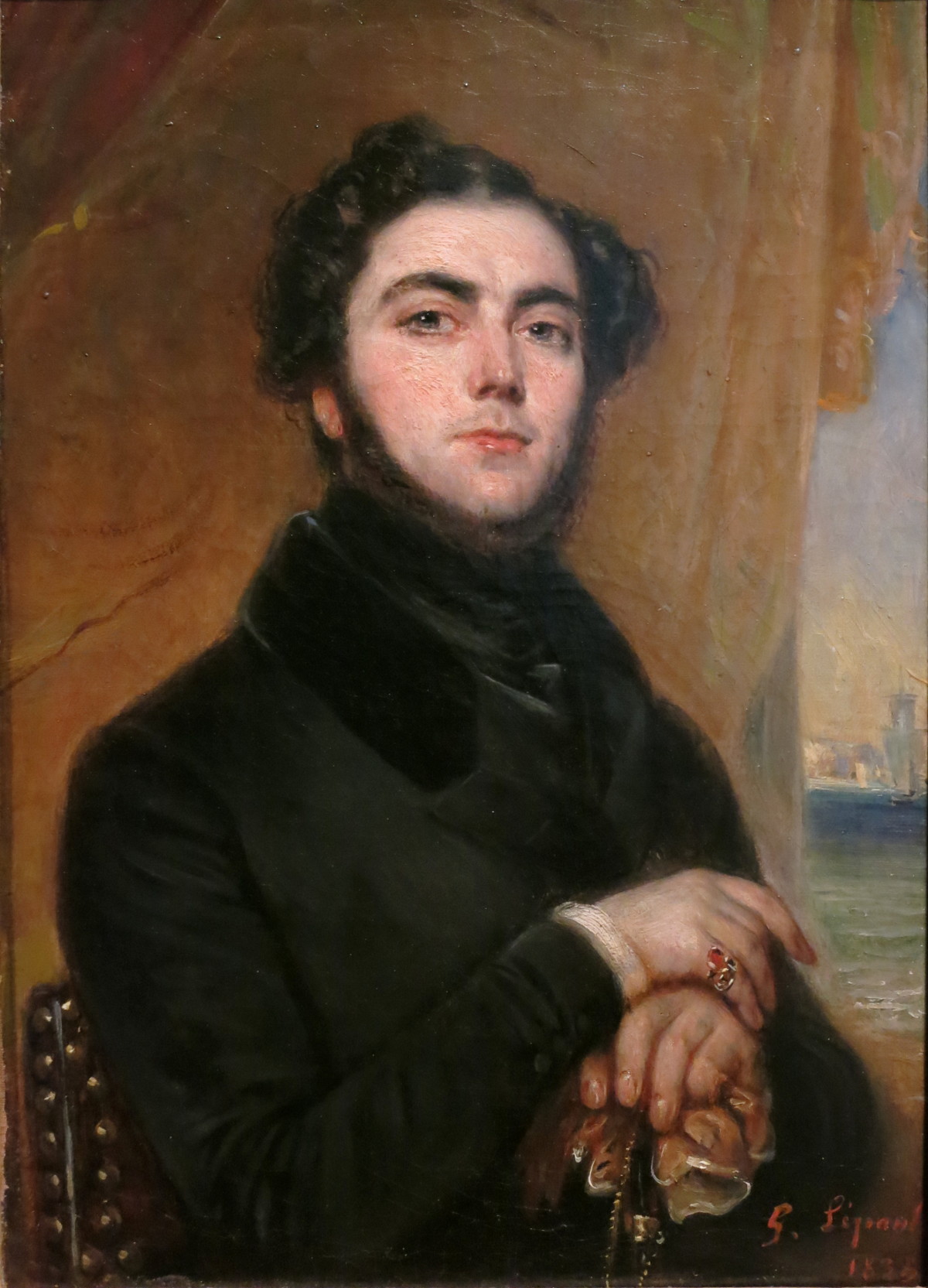
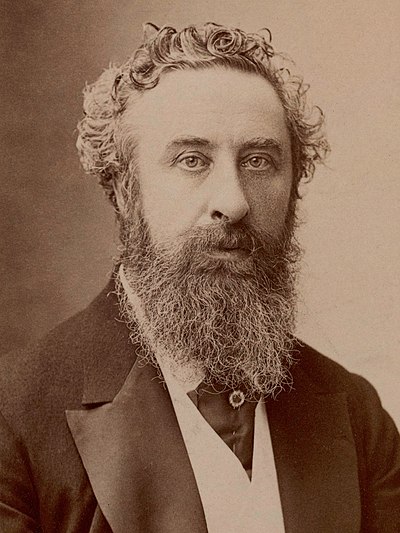
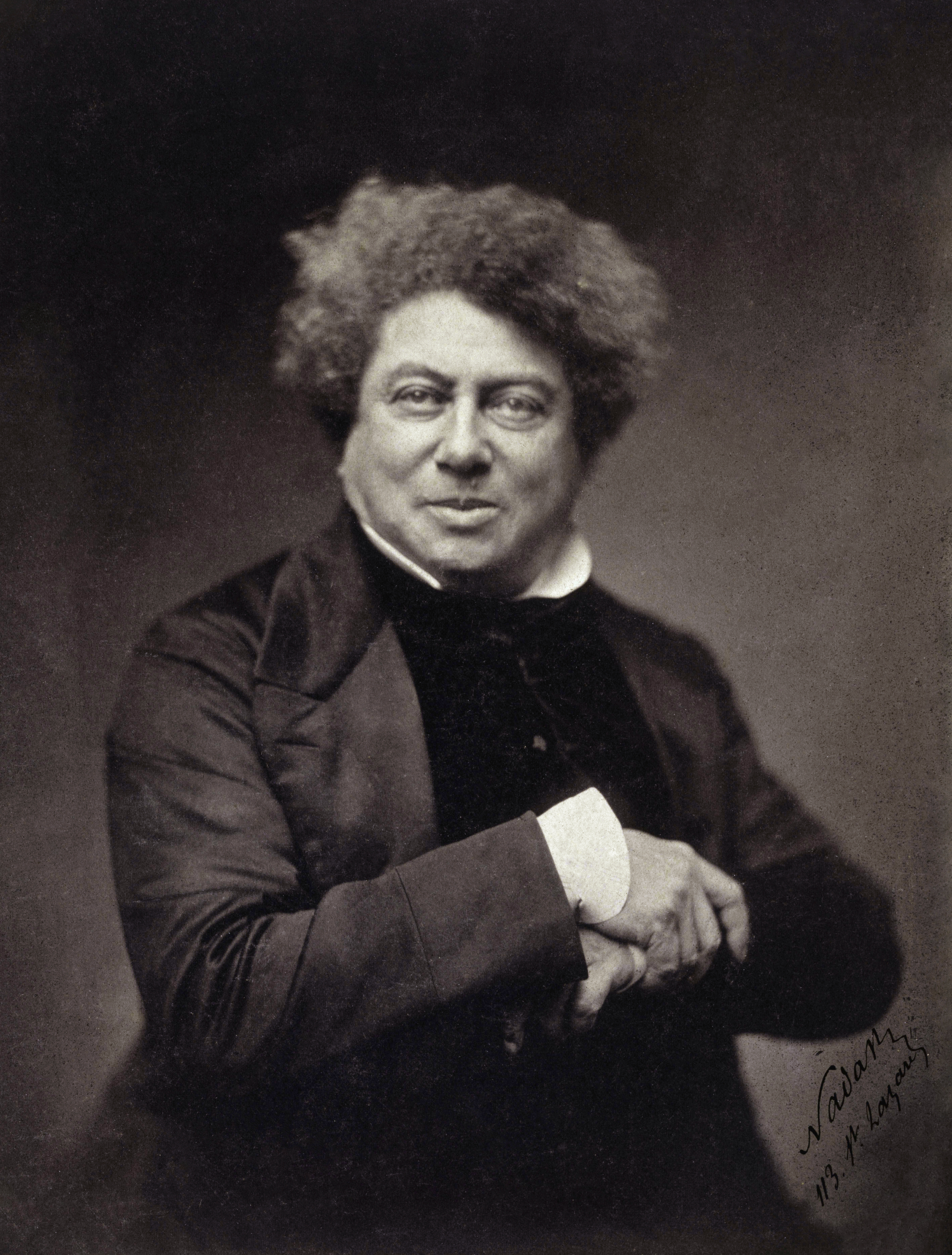
Link to this page
Add a free, dofollow link to Lex on your blog, forum, syllabus, or reading list.

<a href="https://lex-books.com/author/octave-feuillet"><img src="https://lex-books.com/badges/read-on-lex.svg" alt="Octave Feuillet on Lex" width="160" height="40"></a>[](https://lex-books.com/author/octave-feuillet)[url=https://lex-books.com/author/octave-feuillet][img]https://lex-books.com/badges/read-on-lex.svg[/img][/url]Octave Feuillet on Lex: https://lex-books.com/author/octave-feuillet