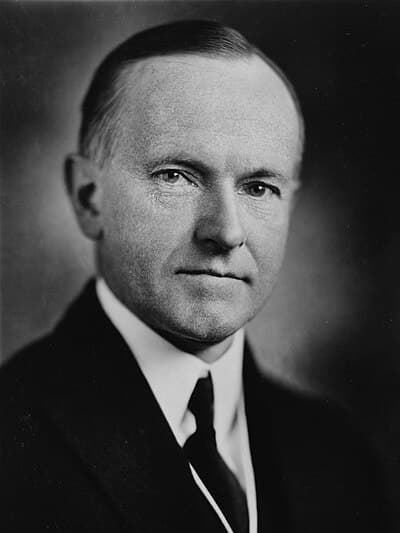
Calvin Coolidge
Calvin Coolidge was the 30th president of the United States, serving from 1923 to 1929, and was known for his small-government conservative principles and a distinctive, understated demeanor that earned him the nickname "Silent Cal." Born John Calvin Coolidge Jr. in Vermont, he began his political career in the Massachusetts State House before rising to prominence as the governor of Massachusetts. His decisive handling of the Boston police strike in 1919 brought him national attention and paved the way for his nomination as vice president under Warren G. Harding in 1920. Following Harding's death, Coolidge ascended to the presidency, where he focused on restoring public trust in government after a series of scandals plagued the previous administration. During his presidency, Coolidge presided over a period of significant economic growth known as the "Roaring Twenties." He was a proponent of pro-business policies and a hands-off approach to governance, which resonated with the middle class of the time. Notable legislative achievements during his administration included the Indian Citizenship Act of 1924, which granted U.S. citizenship to Native Americans. Coolidge chose not to seek re-election in 1928, believing that ten years in office would be excessive. His legacy endures as a symbol of fiscal conservatism and a reflection of the values of his era, embodying the aspirations of many Americans in the early 20th century.
Famous Quotes
View all 3 quotes“Nothing in this world can take the place of persistence. Talent will not; nothing is more common than unsuccessful men with talent. Genius will not; unrewarded genius is almost a proverb. Education will not; the world is full of educated derelicts. Persistence and determination alone are omnipotent. The slogan 'Press On!' has solved and always will solve the problems of the human race.”
“It takes a great man to be a good listener.”
“Christmas is not a time nor a season, but a state of mind. To cherish peace and goodwill, to be plenteous in mercy, is to have the real spirit of Christmas.”
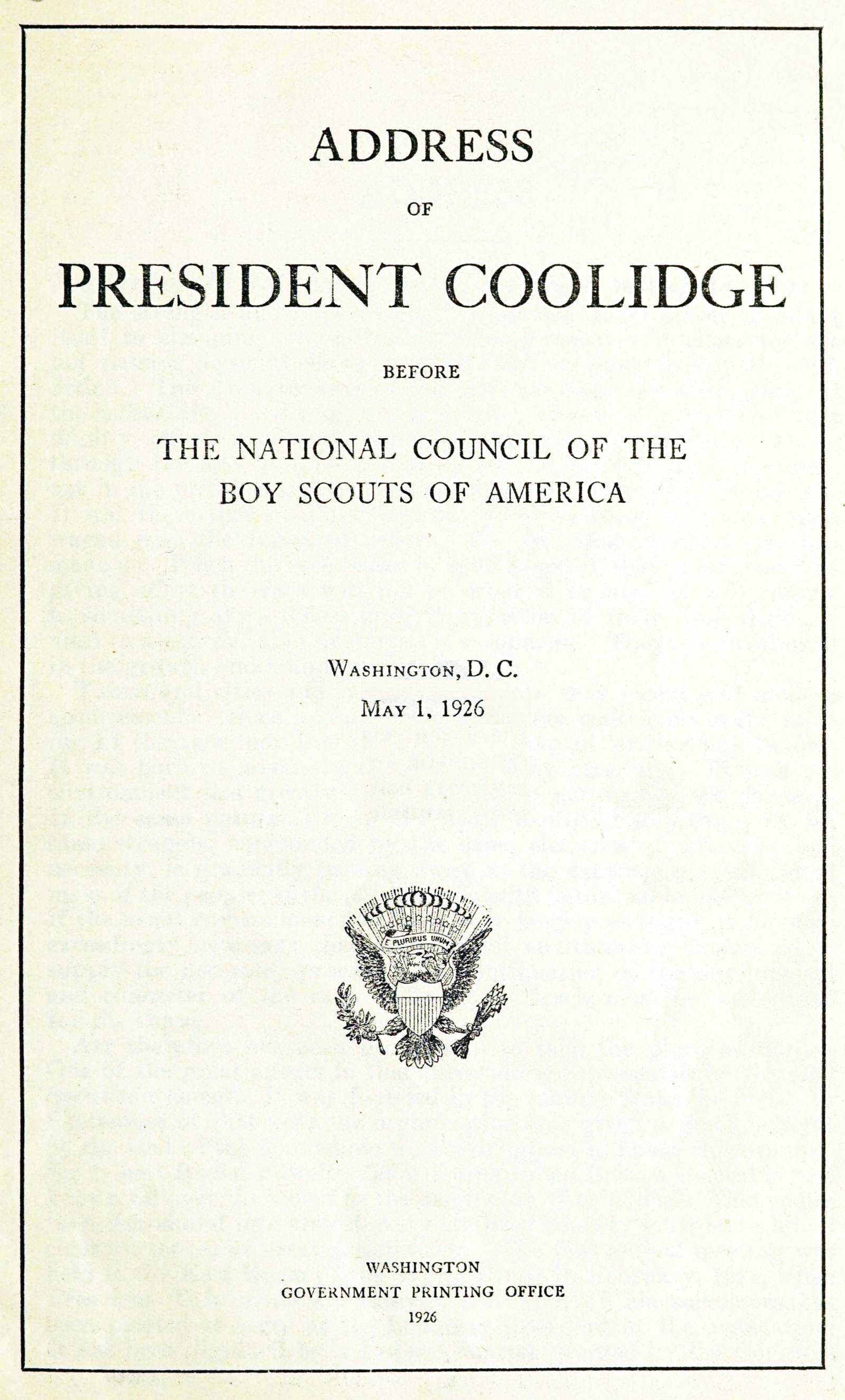
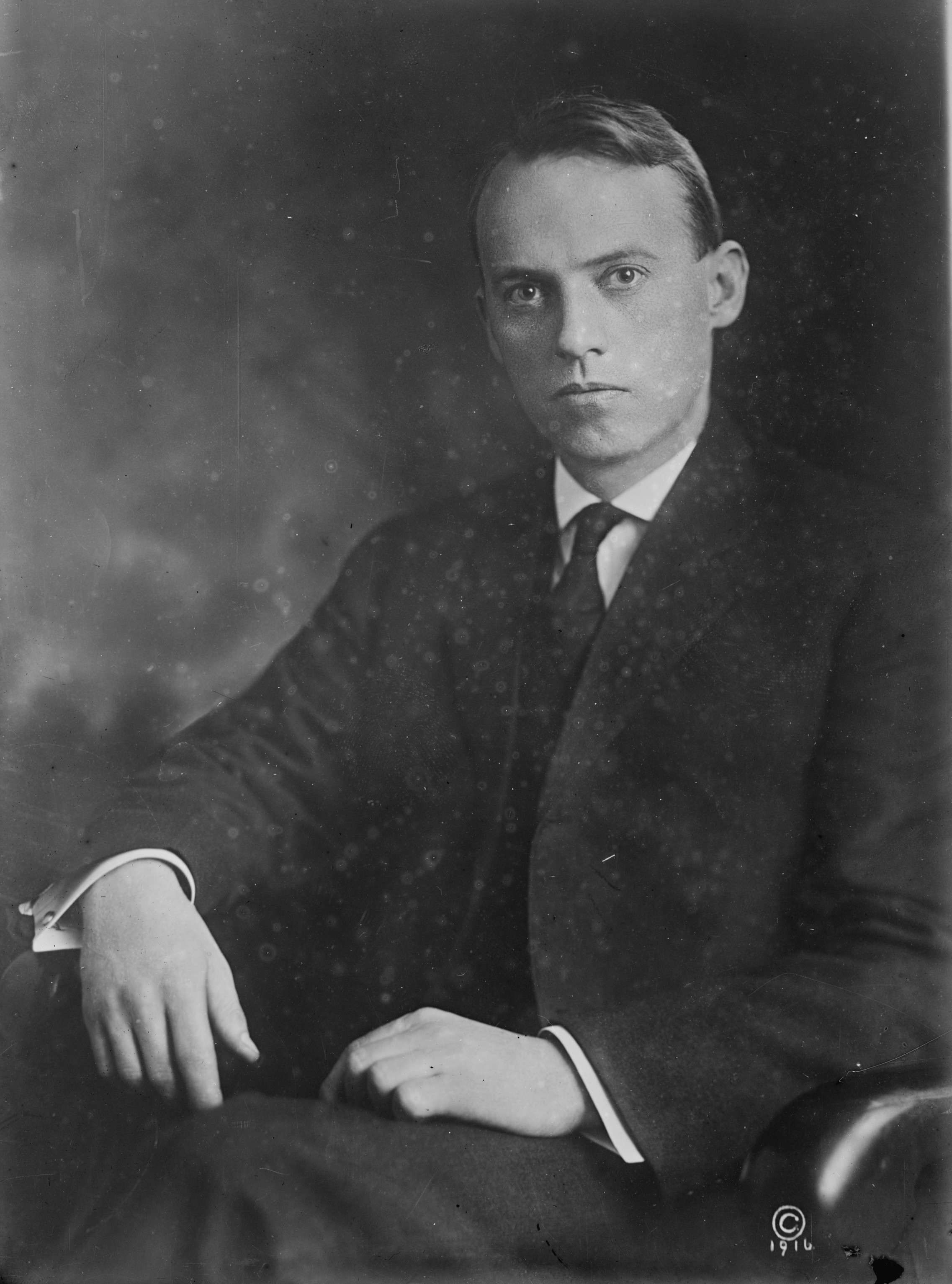
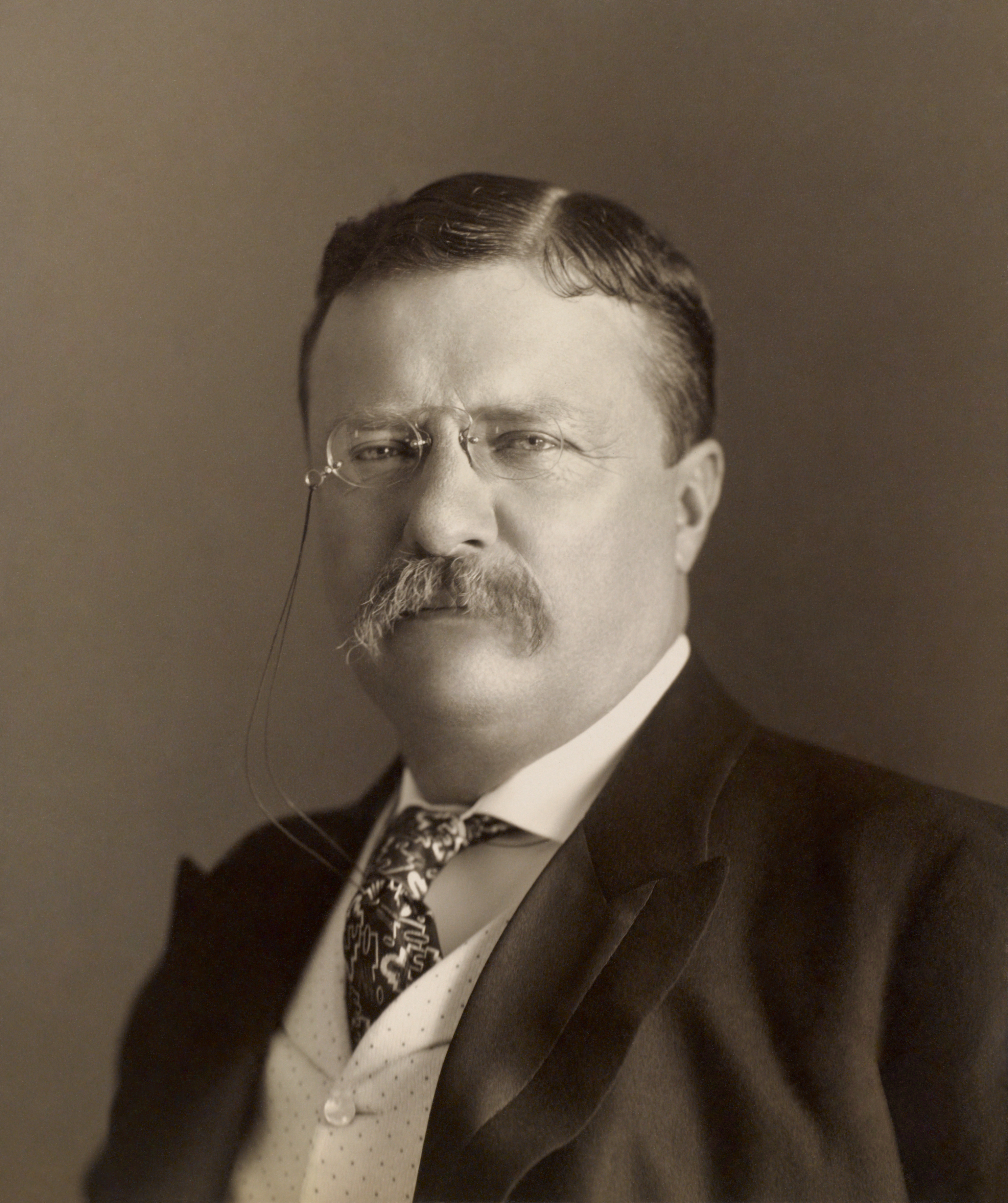
Books from the author



Link to this page
Add a free, dofollow link to Lex on your blog, forum, syllabus, or reading list.

<a href="https://lex-books.com/author/calvin-coolidge"><img src="https://lex-books.com/badges/read-on-lex.svg" alt="Calvin Coolidge on Lex" width="160" height="40"></a>[](https://lex-books.com/author/calvin-coolidge)[url=https://lex-books.com/author/calvin-coolidge][img]https://lex-books.com/badges/read-on-lex.svg[/img][/url]Calvin Coolidge on Lex: https://lex-books.com/author/calvin-coolidge