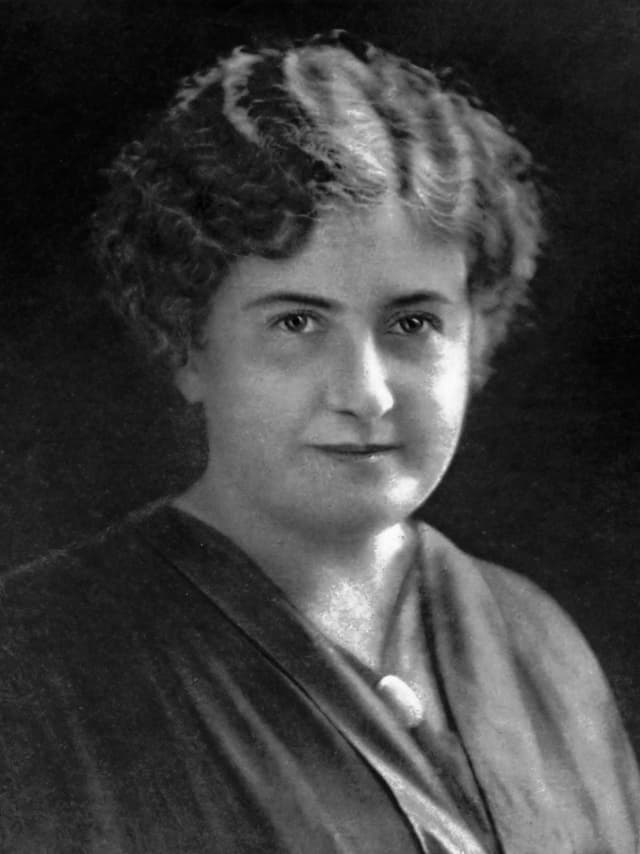
Maria Montessori
Maria Montessori was an Italian physician and educator who revolutionized the field of education with her innovative teaching philosophy known as the Montessori method. Born in 1870, she was one of the first women to attend medical school in Italy, graduating from the Sapienza University of Rome in 1896. Montessori's early aspirations to become an engineer shifted as she immersed herself in the study of medicine and education, ultimately leading her to develop a child-centered approach that emphasized hands-on learning and independence. Her methods encouraged children to explore and learn at their own pace, fostering a love of learning that has influenced educational practices worldwide. Montessori's significant contributions to education are encapsulated in her numerous writings, including "The Montessori Method" and "The Absorbent Mind," which articulate her educational philosophy and its application. Her approach has been adopted in schools across the globe, impacting millions of children and educators alike. Montessori's legacy endures through the continued popularity of her methods, which advocate for a respectful and nurturing learning environment, and her pioneering role as a female leader in a predominantly male field. Her work not only transformed educational practices but also paved the way for future generations of educators to prioritize the needs and potential of every child.
Famous Quotes
View all 3 quotes“Imagination does not become great until human beings, given the courage and the strength, use it to create.”
“Our care of the child should be governed, not by the desire to make him learn things, but by the endeavor always to keep burning within him that light which is called intelligence.”
“It is not enough for the teacher to love the child. She must first love and understand the universe. She must prepare herself, and truly work at it.”
Books from the author
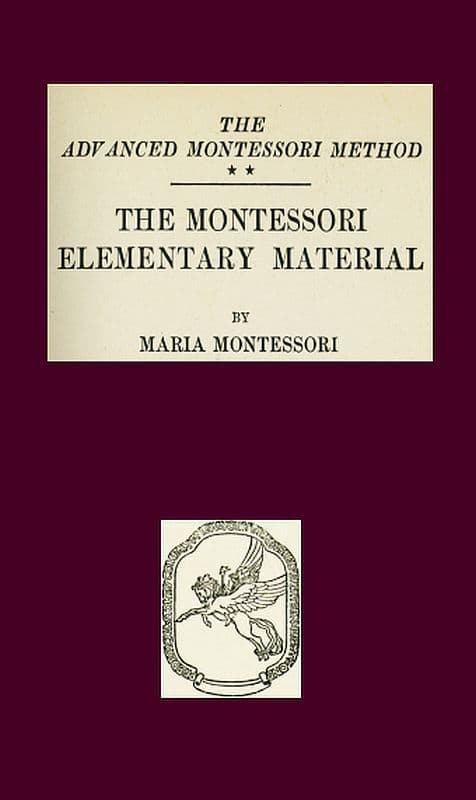
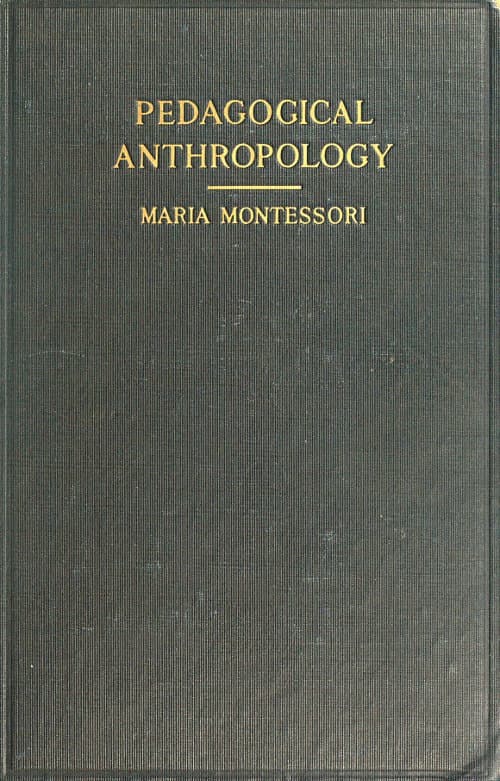

Link to this page
Add a free, dofollow link to Lex on your blog, forum, syllabus, or reading list.

<a href="https://lex-books.com/author/maria-montessori"><img src="https://lex-books.com/badges/read-on-lex.svg" alt="Maria Montessori on Lex" width="160" height="40"></a>[](https://lex-books.com/author/maria-montessori)[url=https://lex-books.com/author/maria-montessori][img]https://lex-books.com/badges/read-on-lex.svg[/img][/url]Maria Montessori on Lex: https://lex-books.com/author/maria-montessori