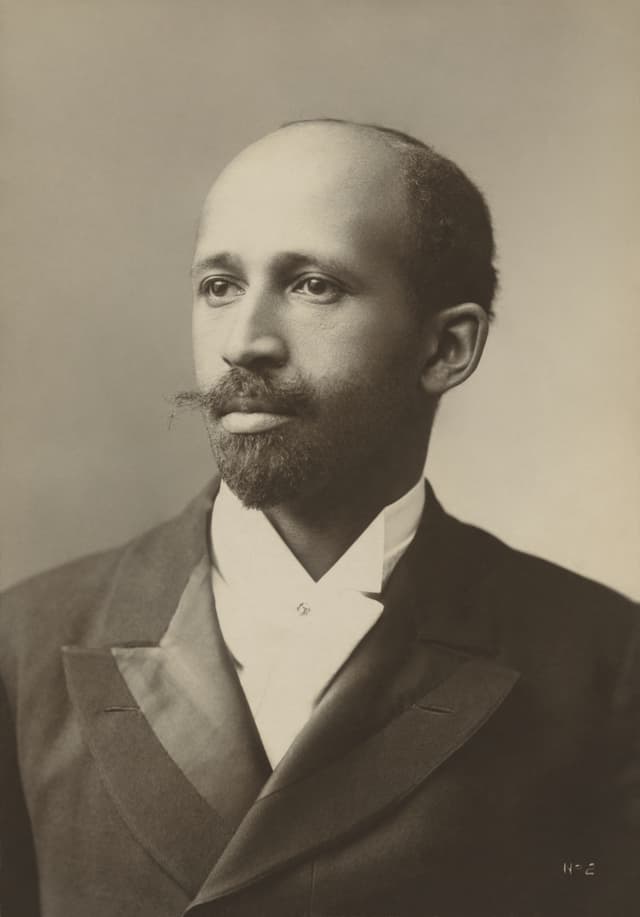
W. E. B. Du Bois
W. E. B. Du Bois was a prominent American sociologist, historian, and civil rights activist whose work profoundly influenced the discourse on race and equality in the United States. Born in Great Barrington, Massachusetts, he was the first African American to earn a Ph.D. from Harvard University. Du Bois was a co-founder of the NAACP and utilized his scholarly expertise to advocate for civil rights, emphasizing the importance of higher education for African Americans and the necessity of political activism. His seminal work, 'The Souls of Black Folk,' published in 1903, presented a powerful critique of the social and economic conditions faced by African Americans and introduced the concept of 'double consciousness'—the internal conflict experienced by subordinated groups in an oppressive society. Throughout his life, Du Bois wrote extensively on issues of race, culture, and identity, producing influential texts such as 'Black Reconstruction in America' and 'The Crisis,' the NAACP's magazine, which he edited. His commitment to Pan-Africanism and global solidarity among people of African descent led him to organize several Pan-African Congresses. Du Bois's legacy is marked by his relentless pursuit of social justice and his profound impact on both sociology and civil rights, making him a pivotal figure in American history and an enduring symbol of the struggle for racial equality.
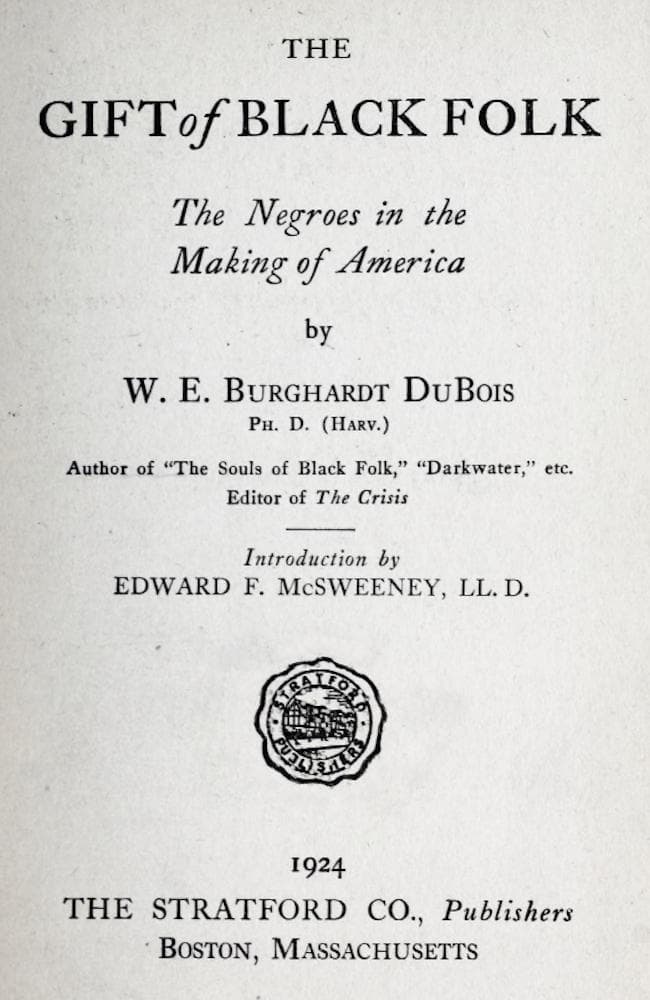
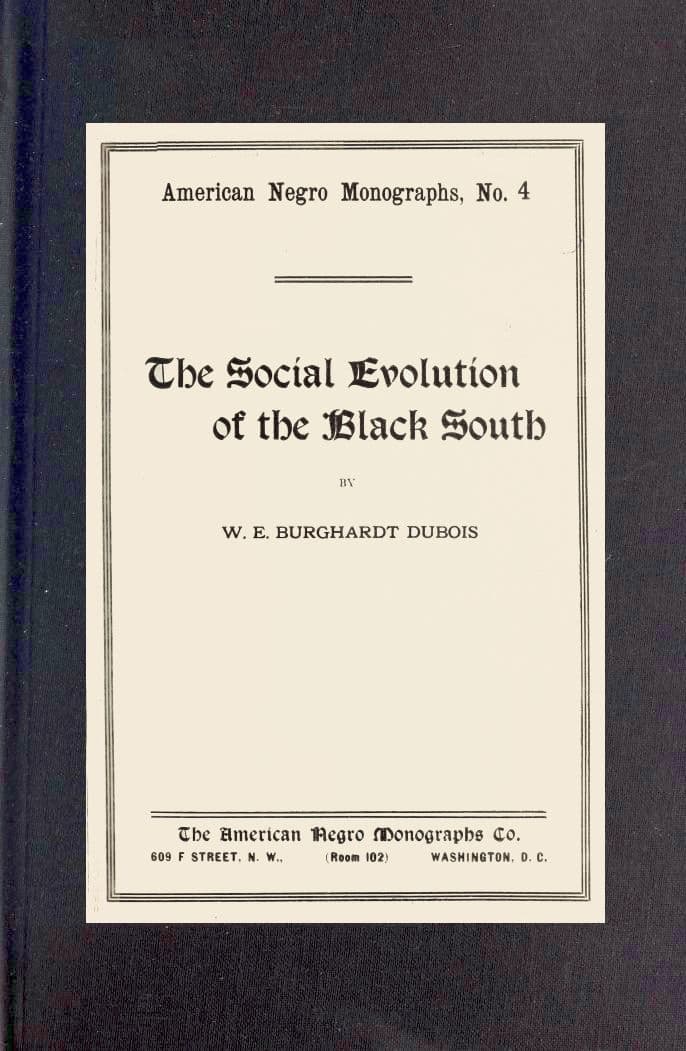
Books from the author



















Link to this page
Add a free, dofollow link to Lex on your blog, forum, syllabus, or reading list.

<a href="https://lex-books.com/author/w-e-b-du-bois"><img src="https://lex-books.com/badges/read-on-lex.svg" alt="W. E. B. Du Bois on Lex" width="160" height="40"></a>[](https://lex-books.com/author/w-e-b-du-bois)[url=https://lex-books.com/author/w-e-b-du-bois][img]https://lex-books.com/badges/read-on-lex.svg[/img][/url]W. E. B. Du Bois on Lex: https://lex-books.com/author/w-e-b-du-bois