Bertha Thomas
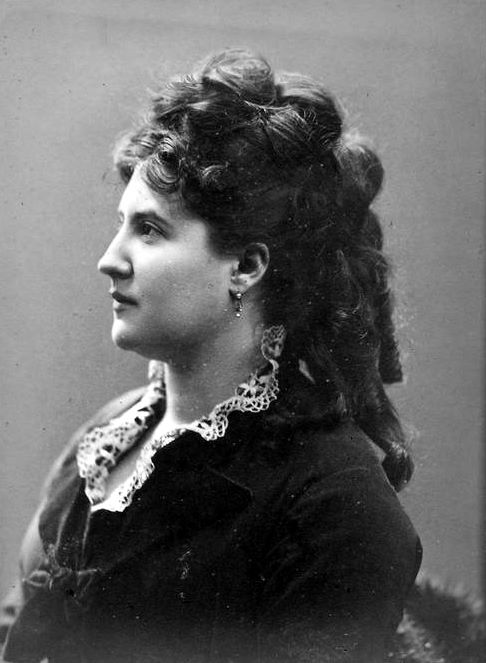
Bertha Thomas was a notable Victorian writer recognized for her pro-feminist stance and her contributions to literature during a time of significant social change. Born in 1845, she emerged as an influential voice in the literary world, particularly with her 1880 novel, The Violin Player, which explored themes of women's independence and societal constraints. Thomas's work often reflected her advocacy for women's rights, challenging the traditional roles assigned to women in the 19th century and offering a nuanced portrayal of female characters navigating their desires and ambitions. In addition to The Violin Player, Thomas wrote several other novels and essays that further established her as a significant figure in Victorian literature. Her literary significance lies not only in her storytelling but also in her ability to engage with contemporary feminist issues, making her a precursor to later feminist writers. Through her works, Bertha Thomas contributed to the discourse on gender equality and women's empowerment, leaving a legacy that resonates in feminist literature today.
Famous Quotes
View all 1 quotes“After the verb “to love,” “to help” is the most beautiful verb in the world. Bertha Von Suttner””
Books from the author



Link to this page
Add a free, dofollow link to Lex on your blog, forum, syllabus, or reading list.

<a href="https://lex-books.com/author/bertha-thomas"><img src="https://lex-books.com/badges/read-on-lex.svg" alt="Bertha Thomas on Lex" width="160" height="40"></a>[](https://lex-books.com/author/bertha-thomas)[url=https://lex-books.com/author/bertha-thomas][img]https://lex-books.com/badges/read-on-lex.svg[/img][/url]Bertha Thomas on Lex: https://lex-books.com/author/bertha-thomas