Benjamin Franklin: Representative Selections, with Introduction, Bibliograpy, and Notes
1729
Benjamin Franklin: Representative Selections, with Introduction, Bibliograpy, and Notes
1729
This is not the autobiography. This is Benjamin Franklin thinking in real time: the letters that built alliances, the essays that sparked revolutions, the scientific observations that tamed lightning. Curated from his vast body of work, this collection reveals the Founding Father beyond the famous aphorisms and polished mythology. Here is Franklin the Enlightenment intellectual, debating liberty and governance with the same practical ingenuity he applied to stove design and bifocals. The correspondence with European scientists, the satirical journalism, the political treatises that helped forge a nation all speak in a voice more complex and compelling than the legend suggests. For anyone who wants to understand what made America possible, this volume provides the raw material: the mind of a self-made man who somehow managed to be America's best scientist, inventor, diplomat, writer, and political strategist, all at once. It is Franklin unguarded, wrestling with ideas rather than performing wisdom.
Editions
X-Ray
“When another asserted something that I thought an error, I denied myself the pleasure of contradicting him.””
— Benjamin Franklin
“Knowledge, he realized, “was obtained rather by the use of the ear than of the tongue.””
— Benjamin Franklin
“Socrates’ method of building an argument through gentle queries, he “dropped my abrupt contradiction” style of argument and “put on the humbler enquirer” of the Socratic method. By asking what seemed to be innocent questions, Franklin would draw people into making concessions that would gradually prove whatever point he was trying to assert.””
— Benjamin Franklin
“The other sins on his list were, in order: seeming uninterested, speaking too much about your own life, prying for personal secrets (“an unpardonable rudeness”), telling long and pointless stories (“old folks are most subject to this error, which is one chief reason their company is so often shunned”), contradicting or disputing someone directly, ridiculing or railing against things except in small witty doses (“it’s like salt, a little of which in some cases gives relish, but if thrown on by handfuls spoils all”), and spreading scandal (though he would later write lighthearted defenses of gossip).””
— Benjamin Franklin
“The most dangerous hypocrite in a Commonwealth is one who leaves the gospel for the sake of the law. A man compounded of law and gospel is able to cheat a whole country with his religion and then destroy them under color of law.”40””
— Benjamin Franklin
“Mr. Franklin kept a horn book always in his pocket in which he minuted all his invitations to dinner, and Mr. Lee said it was the only thing in which he was punctual ””
— Benjamin Franklin
“The riches of a country are to be valued by the quantity of labor its inhabitants are able to purchase, and not by the quantity of silver and gold they possess.” The””
— Benjamin Franklin
“Temperance: Eat not to dullness; drink not to elevation. Silence: Speak not but what may benefit others or yourself; avoid trifling conversation. Order: Let all your things have their places; let each part of your business have its time. Resolution: Resolve to perform what you ought; perform without fail what you resolve. Frugality: Make no expense but to do good to others or yourself; (i.e., waste nothing). Industry: Lose no time; be always employed in something useful; cut off all unnecessary actions. Sincerity: Use no hurtful deceit; think innocently and justly, and, if you speak, speak accordingly. Justice: Wrong none by doing injuries, or omitting the benefits that are your duty. Moderation: Avoid extremes; forbear resenting injuries so much as you think they deserve. Cleanliness: Tolerate no uncleanliness in body, clothes, or habitation. Tranquility: Be not disturbed at trifles, or at accidents common or unavoidable. Chastity: Rarely use venery but for health or offspring, never to dullness, weakness, or the injury of your own or another’s peace or reputation.””
— Benjamin Franklin
“Franklin and his petition were roundly denounced by the defenders of slavery, most notably Congressman James Jackson of Georgia, who declared on the House floor that the Bible had sanctioned slavery and, without it, there would be no one to do the hard and hot work on plantations.””
— Benjamin Franklin
Link to this book
Add a free, dofollow link to Lex on your blog, forum, syllabus, or reading list.

<a href="https://lex-books.com/book/benjamin-franklin-representative-selections-with-introduction-bibliograpy-and-no-529ba7f3-d5cd-48b9-8b9d-8ea3349dc180"><img src="https://lex-books.com/badges/read-on-lex.svg" alt="Read Benjamin Franklin: Representative Selections, with Introduction, Bibliograpy, and Notes by Benjamin Franklin free on Lex" width="160" height="40"></a>[](https://lex-books.com/book/benjamin-franklin-representative-selections-with-introduction-bibliograpy-and-no-529ba7f3-d5cd-48b9-8b9d-8ea3349dc180)[url=https://lex-books.com/book/benjamin-franklin-representative-selections-with-introduction-bibliograpy-and-no-529ba7f3-d5cd-48b9-8b9d-8ea3349dc180][img]https://lex-books.com/badges/read-on-lex.svg[/img][/url]Read Benjamin Franklin: Representative Selections, with Introduction, Bibliograpy, and Notes by Benjamin Franklin free on Lex: https://lex-books.com/book/benjamin-franklin-representative-selections-with-introduction-bibliograpy-and-no-529ba7f3-d5cd-48b9-8b9d-8ea3349dc180Cite this book
Reading this edition for a paper or guide? Copy a citation.
Franklin, Benjamin. Benjamin Franklin: Representative Selections, with Introduction, Bibliograpy, and Notes. Lex, lex-books.com/book/benjamin-franklin-representative-selections-with-introduction-bibliograpy-and-no-529ba7f3-d5cd-48b9-8b9d-8ea3349dc180.Franklin, B. (1729). Benjamin Franklin: Representative Selections, with Introduction, Bibliograpy, and Notes. Lex. https://lex-books.com/book/benjamin-franklin-representative-selections-with-introduction-bibliograpy-and-no-529ba7f3-d5cd-48b9-8b9d-8ea3349dc180Franklin, Benjamin. Benjamin Franklin: Representative Selections, with Introduction, Bibliograpy, and Notes. Lex. https://lex-books.com/book/benjamin-franklin-representative-selections-with-introduction-bibliograpy-and-no-529ba7f3-d5cd-48b9-8b9d-8ea3349dc180.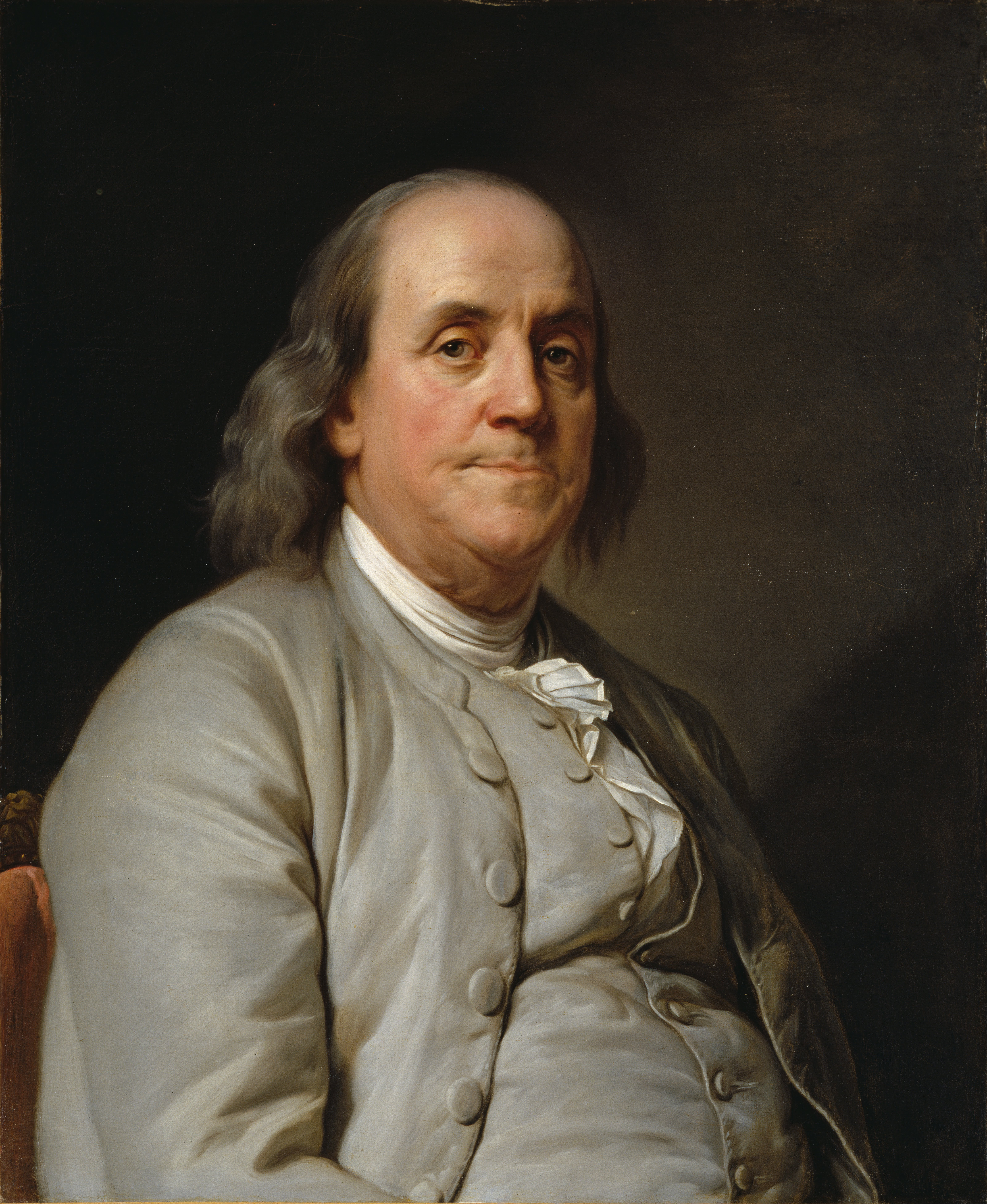
![Memoirs of Benjamin Franklin; Written by Himself. [Vol. 2 Of 2]with His Most Interesting Essays, Letters, and Miscellaneous Writings; Familiar, Moral, Political, Economical, and Philosophical, Selected with Care from All His Published Productions, and Comprising Whatever Is Most Entertaining and Valuable to the General Reader](/_next/image?url=https%3A%2F%2Fd3b2n8gj62qnwr.cloudfront.net%2FCOVERS%2Fgutenberg_covers75k%2Febook-40236.png&w=3840&q=75)
![Memoirs of Benjamin Franklin; Written by Himself. [Vol. 1 Of 2]with His Most Interesting Essays, Letters, and Miscellaneous Writings; Familiar, Moral, Political, Economical, and Philosophical, Selected with Care from All His Published Productions, and Comprising Whatever Is Most Entertaining and Valuable to the General Reader](/_next/image?url=https%3A%2F%2Fd3b2n8gj62qnwr.cloudfront.net%2FCOVERS%2Fgutenberg_covers75k%2Febook-36338.png&w=3840&q=75)