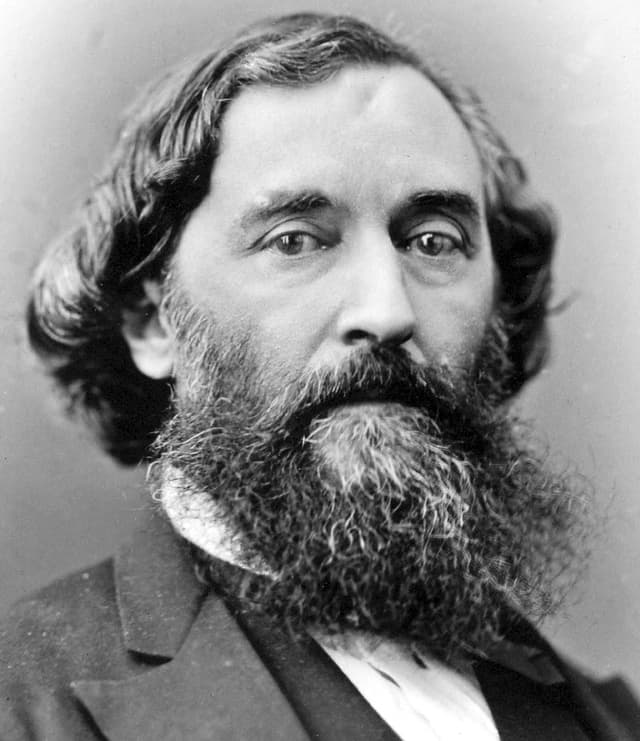
Bartolomé Mitre
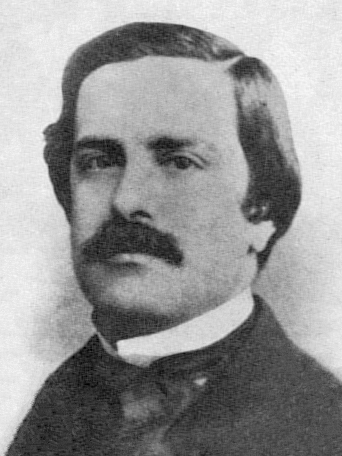
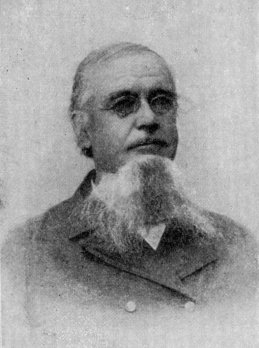
Bartolomé Mitre was an influential Argentine statesman, historian, and writer who played a pivotal role in the cultural and political landscape of 19th-century Argentina. Born in Buenos Aires, Mitre was deeply involved in the struggles for national unity and the establishment of a cohesive Argentine identity following the country’s independence from Spanish rule. His literary contributions were significant, particularly his historical narratives that sought to document and interpret the tumultuous events of his time, including the Argentine War of Independence and the subsequent civil wars. Mitre's most notable work, "Historia de Belgrano y de la independencia argentina," is a comprehensive account of the life of Manuel Belgrano, a key figure in the independence movement, and reflects Mitre's commitment to shaping national consciousness through history. In addition to his historical writings, Mitre was a prominent journalist and editor, founding the influential newspaper "La Nación" in 1870, which became a platform for liberal thought and political discourse in Argentina. His literary and political endeavors were intertwined, as he believed that understanding the past was essential for guiding the future of the nation. Mitre's legacy endures not only through his writings but also through his contributions to the formation of Argentine identity and the promotion of civic values. His works continue to be studied for their insights into the historical context of Argentina and the broader Latin American experience during a period of significant transformation.
Famous Quotes
View all 15 quotes“La forma lírica o ditirámbica es en los pueblos lo que en los niños los primeros sonidos que articulan. La imaginación de los hombres primitivos se inspira del ruido del torrente, del murmullo de las hojas, del canto de las aves, del sol, de la luna, de las estrellas, en una palabra, del sonido, de la luz, y del movimiento que anima al universo y que hiere nuestros sentidos como un himno grandioso que la naturaleza entona a su creador.La forma narrativa viene sólo en la segunda edad. Recién entonces los poetas emplean las descripciones, y aparecen los cronistas y los historiadores. Los elementos sencillos de que está compuesta, aún la sociedad pueden concretarse en esa forma, que todavía puede reflejarlo y explicarlo todo.””
“Hay que tomar el país tal como Dios y los hombres lo han hecho, esperando que los hombres, con la ayuda de Dios, podamos mejorarlo.””
“a medida que se multiplicaban sus dolores se revelaba contra su destino y sacaba nuevas fuerzas de su propio abatimiento.””
Books from the author

Link to this page
Add a free, dofollow link to Lex on your blog, forum, syllabus, or reading list.

<a href="https://lex-books.com/author/bartolomé-mitre"><img src="https://lex-books.com/badges/read-on-lex.svg" alt="Bartolomé Mitre on Lex" width="160" height="40"></a>[](https://lex-books.com/author/bartolomé-mitre)[url=https://lex-books.com/author/bartolomé-mitre][img]https://lex-books.com/badges/read-on-lex.svg[/img][/url]Bartolomé Mitre on Lex: https://lex-books.com/author/bartolomé-mitre