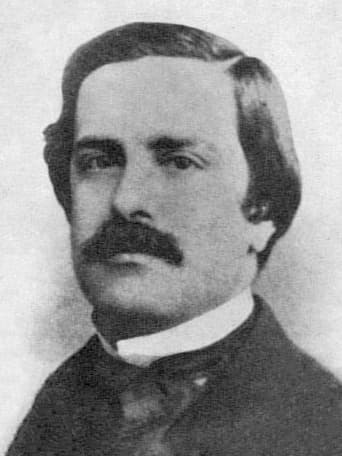
Juan Valera
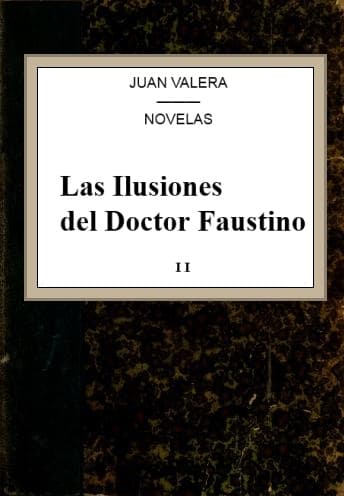
Juan Valera was a prominent Spanish novelist, diplomat, and literary critic known for his contributions to 19th-century Spanish literature. Born in the province of Córdoba, Valera pursued a career in diplomacy, which took him across Europe and exposed him to various literary movements. His experiences abroad enriched his writing, allowing him to blend traditional Spanish themes with broader European influences. Valera's most notable works include 'Pepita Jiménez,' a novel that explores themes of love, religion, and social class, and 'Las ilusiones de un viejo,' which reflects on the complexities of aging and desire. Valera's literary significance lies in his ability to capture the nuances of Spanish society during a time of great change. His style is characterized by elegant prose and psychological depth, making him a precursor to modern Spanish narrative techniques. Valera's works often delve into the inner lives of his characters, offering a keen insight into their motivations and conflicts. His legacy endures as a key figure in the development of the Spanish novel, influencing subsequent generations of writers who sought to explore the intricacies of human experience within the context of their own cultural landscapes.
Famous Quotes
View all 3 quotes“La mano es el instrumento de nuestras obras, el signo de nuestra nobleza, el medio por donde la inteligencia reviste de forma sus pensamientos artísticos, y da ser a las creaciones de la voluntad, y ejerce el imperio que Dios concedió al hombre sobre todas las criaturas.”
“Más vale un jaleo probé y unos pimientos asaos que no tener un usía esaborío a su lao.”
“Verdad es que las mujeres son raras:”
Books from the author
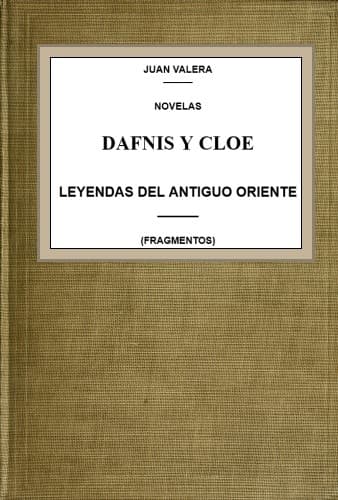
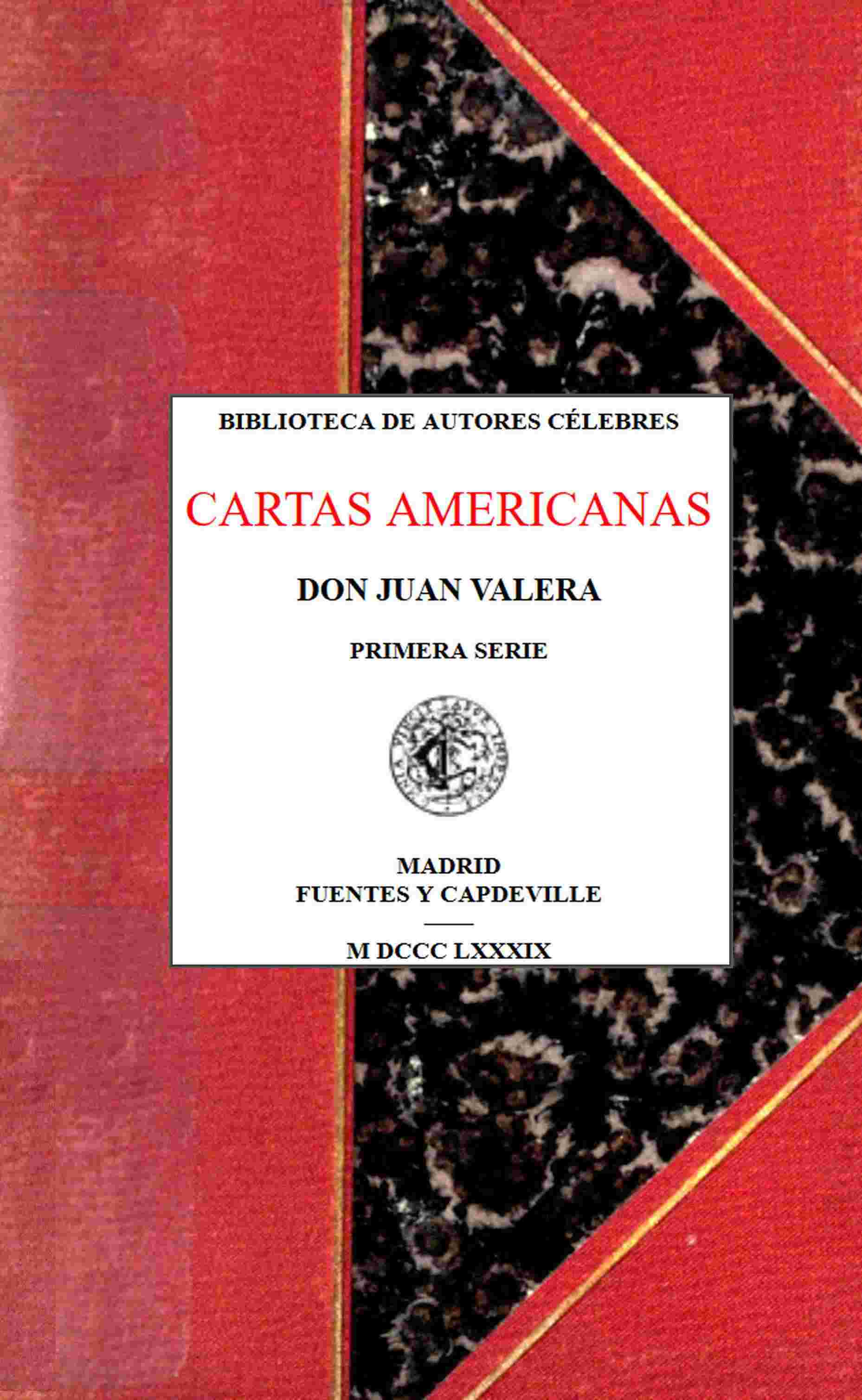

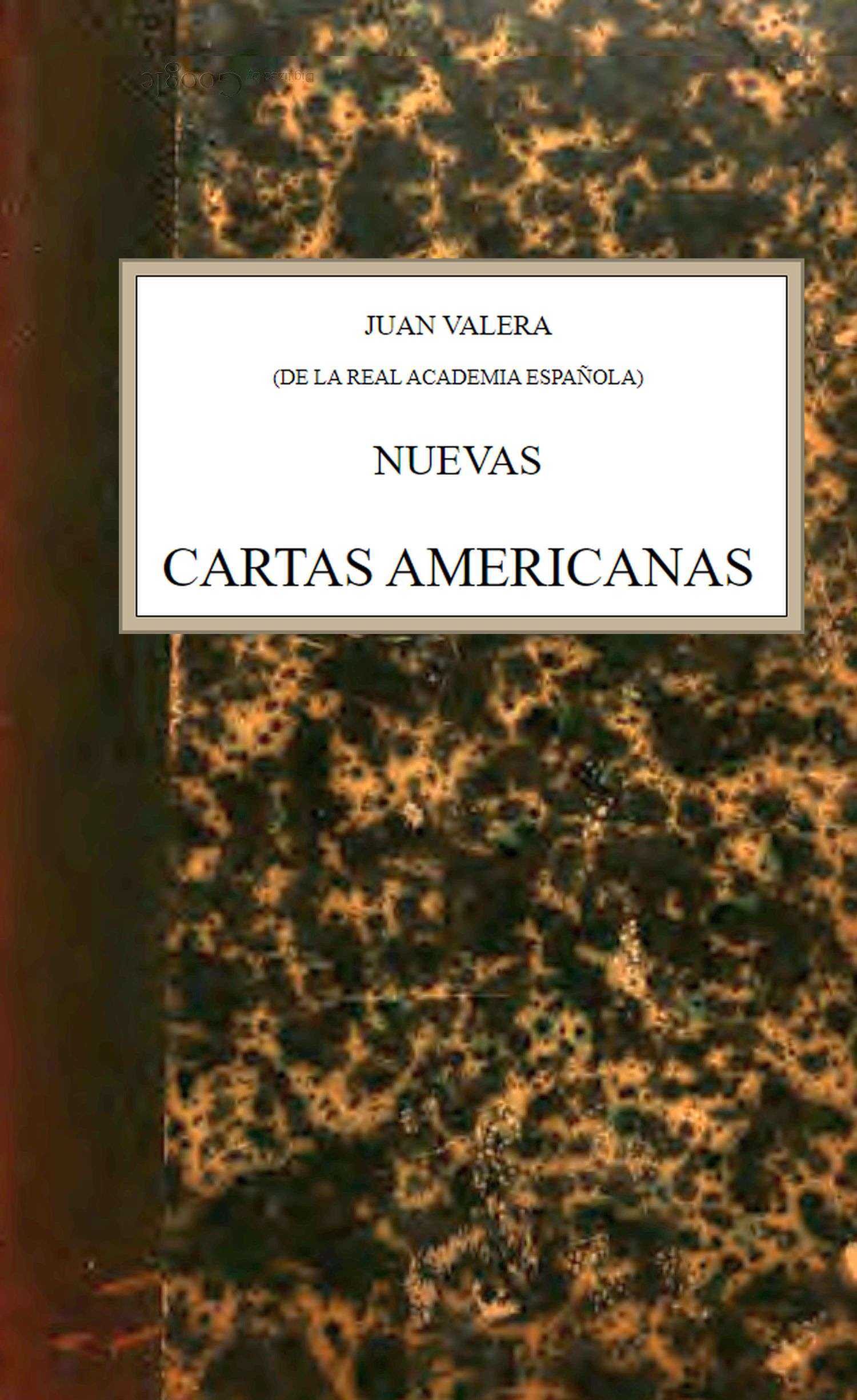



Link to this page
Add a free, dofollow link to Lex on your blog, forum, syllabus, or reading list.

<a href="https://lex-books.com/author/juan-valera"><img src="https://lex-books.com/badges/read-on-lex.svg" alt="Juan Valera on Lex" width="160" height="40"></a>[](https://lex-books.com/author/juan-valera)[url=https://lex-books.com/author/juan-valera][img]https://lex-books.com/badges/read-on-lex.svg[/img][/url]Juan Valera on Lex: https://lex-books.com/author/juan-valera