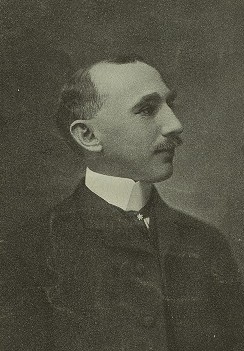
António Joaquim de Castro Feijó
António Joaquim de Castro Feijó was a Portuguese poet and writer known for his introspective and evocative verse. Born in 1859, he emerged as a significant literary figure in the late 19th and early 20th centuries, a period marked by a rich cultural and artistic awakening in Portugal. Feijó's poetry often explored themes of nature, melancholy, and the human condition, reflecting the influences of both Romanticism and Symbolism. His notable work, 'Sol De Inverno: Ultimos Versos,' published in 1915, encapsulates his lyrical style and deep emotional resonance, showcasing his ability to convey profound sentiments through vivid imagery and musical language. Feijó's contributions to Portuguese literature are characterized by a unique blend of personal reflection and broader existential themes, positioning him as a noteworthy figure in the literary landscape of his time. Although not as widely recognized as some of his contemporaries, his work has garnered appreciation for its artistic merit and emotional depth, influencing subsequent generations of poets. He passed away in 1917, leaving behind a legacy that continues to inspire those who delve into the nuances of Portuguese poetry.