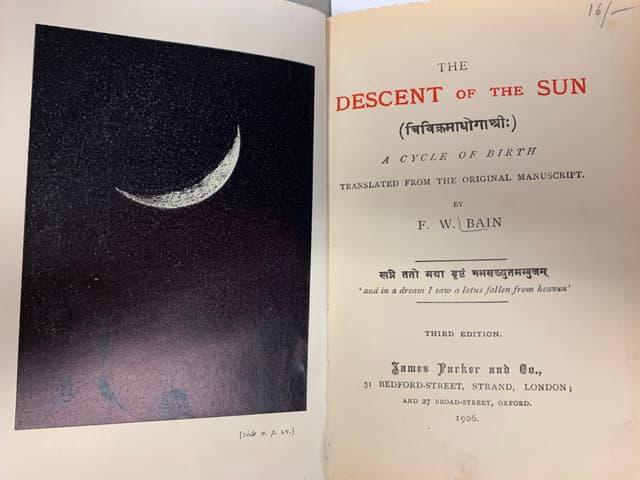
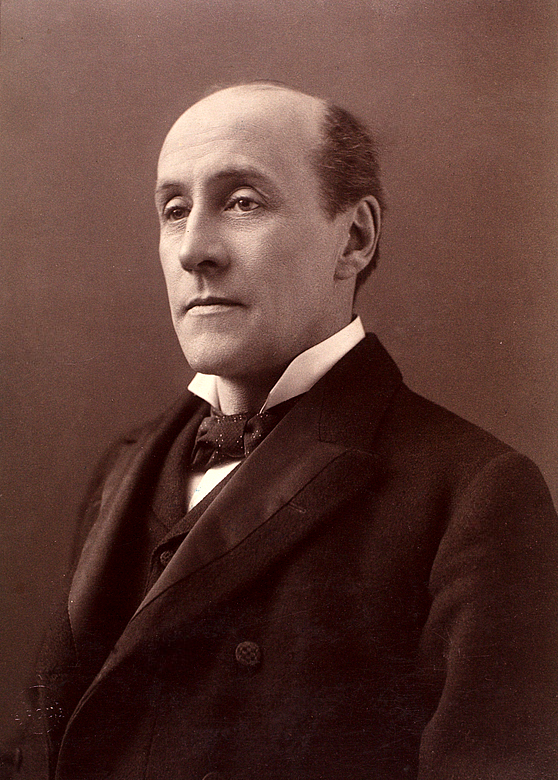
F. W. Bain
F. W. Bain was an English author and poet, best known for his imaginative and often mystical tales that drew heavily on Indian themes and mythology. Born in 1863, Bain's literary career flourished in the early 20th century, during which he produced a number of novels and short stories that captivated readers with their exotic settings and philosophical underpinnings. His works often explored the intersection of love, spirituality, and the human experience, reflecting his deep interest in Eastern philosophies and cultures. Among his notable works are "The Luminous Life," which presents a blend of romance and philosophical inquiry, and "The Web of Life," a novel that delves into the complexities of fate and destiny. Bain's writing is characterized by its lyrical prose and rich imagery, which transport readers to the vibrant landscapes of India and beyond. His contributions to literature are significant for their early fusion of Western narrative styles with Eastern themes, paving the way for future writers to explore cross-cultural storytelling. Bain's legacy endures through his unique voice and the way he expanded the boundaries of English literature in the early 20th century.
Famous Quotes
View all 1 quotes“In the beginning, when Twaslitri (the Divine Artificer) came to the creation of woman he found that he had exhausted his materials in the making of man and that no solid elements were left. In this dilemma, after pro-found meditation, he did as follows: he took the rotundity of the moon, and the curves of the creepers, and the clinging of tendrils, and the trembling of grass, and the slenderness of the reed, and the bloom of flowers, and the lightness of leaves, and the tapering of the elephant's trunk, and the glances of deer, and the clustering of rows of bees, and the joyous gaiety of sun-beams, and the weeping of clouds, and the fickleness of the winds, and the timidity of the hare, and the vanity of the peacock, and the softness of the parrot's bosom, and the hardness of adamant, and the sweetness of honey, and the cruelty of the tiger, and the warm glow of fire, and the coldnesss of snow, and the chattering of jays, and the cooing of the kokila, and the hypocrisy of the crane, and the fidelity of the chakravaka; and compounding all these together, he made woman and gave her to man.(Written by scholars of the Vedic Age)””
Books from the author

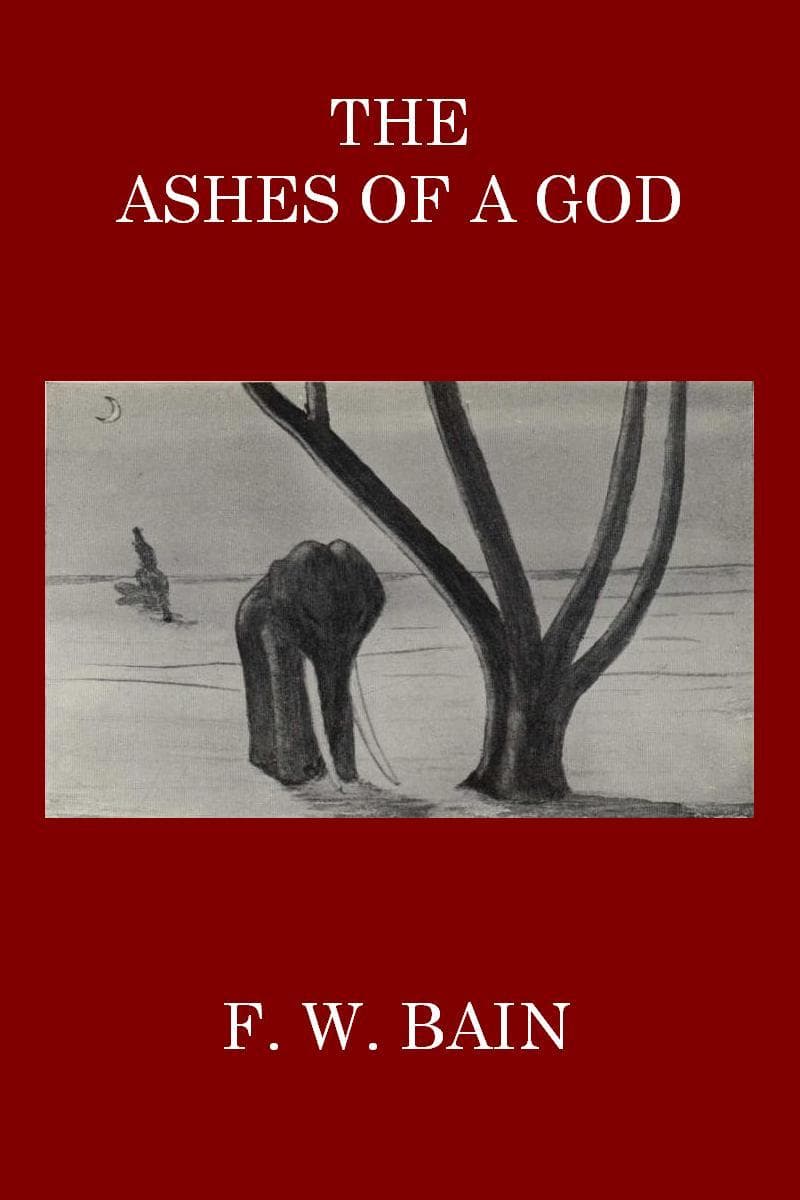



Link to this page
Add a free, dofollow link to Lex on your blog, forum, syllabus, or reading list.

<a href="https://lex-books.com/author/f-w-bain"><img src="https://lex-books.com/badges/read-on-lex.svg" alt="F. W. Bain on Lex" width="160" height="40"></a>[](https://lex-books.com/author/f-w-bain)[url=https://lex-books.com/author/f-w-bain][img]https://lex-books.com/badges/read-on-lex.svg[/img][/url]F. W. Bain on Lex: https://lex-books.com/author/f-w-bain