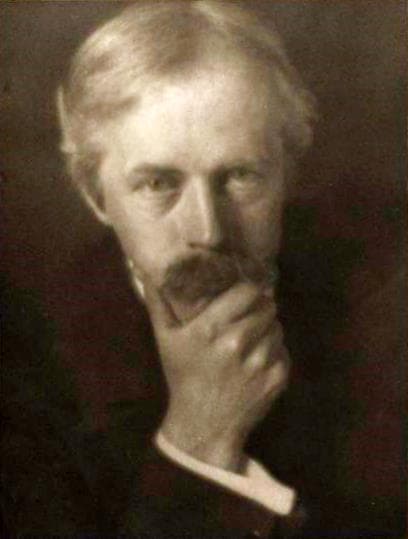
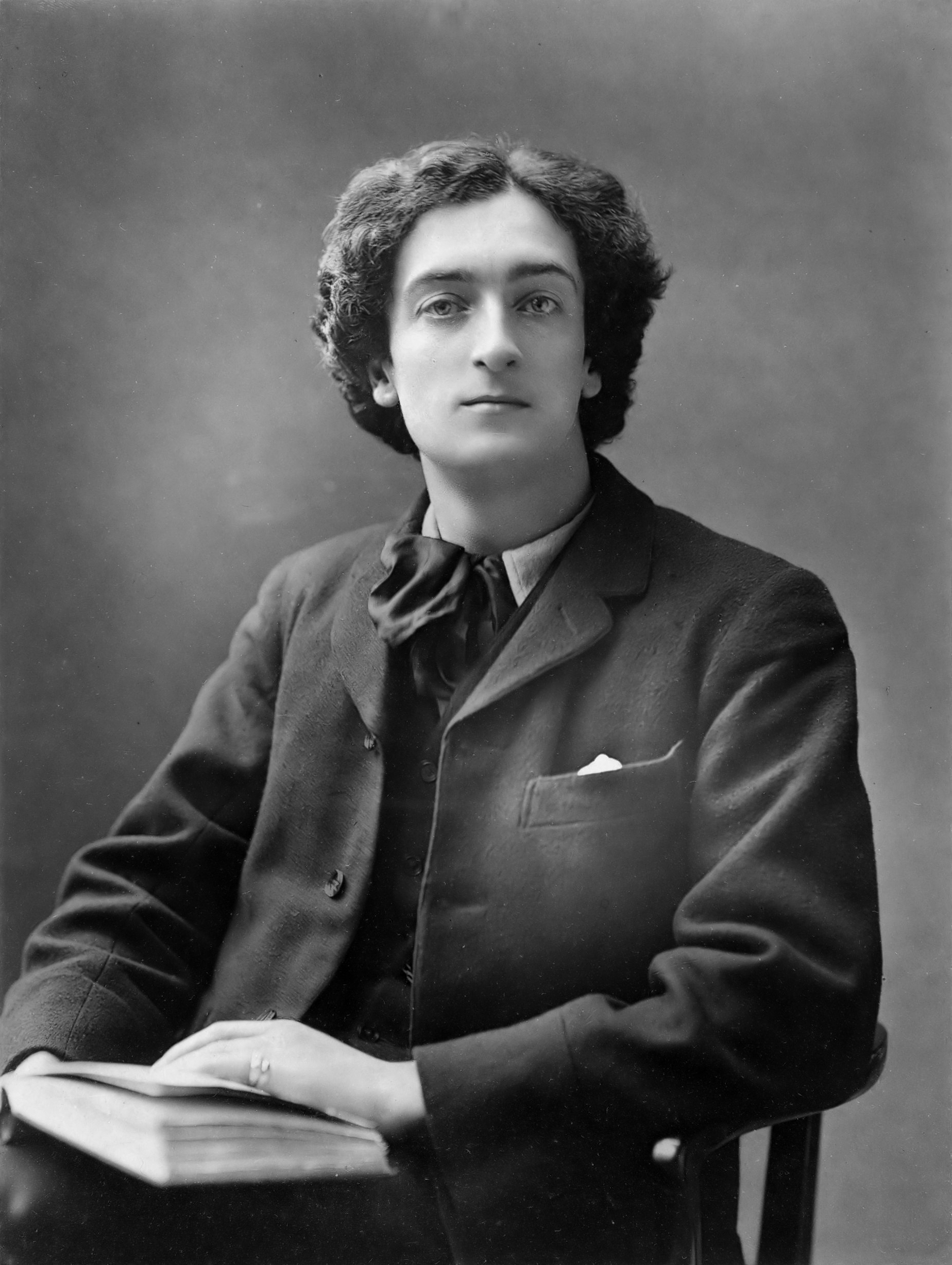
Arthur Symons
Arthur Symons was a prominent British poet, critic, translator, and magazine editor, known for his influential role in the Symbolist movement in England. Born in 1865, he was an ardent advocate for the French Symbolist poets, which he championed through his critical writings and translations. His notable works include 'Silhouettes' and 'The Symbolist Movement in Literature,' where he explored the intersection of poetry and visual art, emphasizing the emotional and sensory experiences of literature. Symons' poetry often reflected themes of beauty, desire, and the complexities of human experience, showcasing his unique voice in the literary landscape of his time. In addition to his poetry, Symons was a significant figure in literary criticism, contributing to various magazines and journals. His insights helped shape the understanding of modernist literature and introduced many readers to the works of European writers. Symons' legacy is marked by his ability to bridge the gap between traditional poetic forms and the emerging modernist sensibilities, influencing a generation of poets and critics. His exploration of aestheticism and the role of the artist in society continues to resonate in literary discussions today.
Famous Quotes
View all 3 quotes“Vaguely conscious of that great suspense in which we live, we find our escape from its sterile, annihilating reality in many dreams, in religion, passion, art.”
“As a perfume doth remain In the folds where it hath lain, So the thought of you, remaining Deeply folded in my brain, Will not leave me; all things leave me - You remain. Other thoughts may come and go, Other moments I may know That shall waft me, in their going, As a breath blown to and fro, Fragrant memories; fragrant memories Come and go. Only thoughts of you remain In my heart where they have lain, Perfumed thoughts of you, remaining, A hid sweetness, in my brain. Others leave me; all things leave me - You remain.”
“Wandering, ever wandering, Because life holds not anything so good As to be free of yesterday, and bound Towards a new to-morrow ; and they wend Into a world of unknown faces, where It may be there are faces waiting them, Faces of friendly strangers, not the long Intolerable monotony of friends. The joy of earth is yours, O wanderers, The only joy of the old earth, to wake, As each new dawn is patiently renewed, With foreheads fresh against a fresh young sky. To be a little further on the road, A little nearer somewhere, some few steps Advanced into the future, and removed By some few counted milestones from the past; God gives you this good gift, the only gift That God, being repentant, has to give. Wanderers, you have the sunrise and the stars; And we, beneath our comfortable roofs, Lamplight, and daily fire upon the hearth, And four walls of a prison, and sure food. But God has given you freedom, wanderers.”
Books from the author




Link to this page
Add a free, dofollow link to Lex on your blog, forum, syllabus, or reading list.

<a href="https://lex-books.com/author/arthur-symons"><img src="https://lex-books.com/badges/read-on-lex.svg" alt="Arthur Symons on Lex" width="160" height="40"></a>[](https://lex-books.com/author/arthur-symons)[url=https://lex-books.com/author/arthur-symons][img]https://lex-books.com/badges/read-on-lex.svg[/img][/url]Arthur Symons on Lex: https://lex-books.com/author/arthur-symons