
Daniel Lesueur
Daniel Lesueur, the pen name of French poet and novelist Jeanne Lapauze, emerged as a significant literary figure in the late 19th and early 20th centuries. Born in 1860, she navigated the complexities of her era, contributing to the literary landscape with works that often explored themes of identity and social issues. Lesueur's writing was characterized by its lyrical quality and deep emotional resonance, reflecting her keen observations of society and the human condition. Her notable works include 'La Femme de Paul' and 'L'Enfant de la nuit,' which garnered attention for their innovative narrative styles and poignant character portrayals. Lesueur's literary significance lies not only in her contributions to French literature but also in her role as a pioneering female voice in a predominantly male literary world. Her ability to articulate the struggles and aspirations of women during her time set her apart, and she became an influential figure in the feminist literary movement. Through her writings, Lesueur challenged societal norms and offered a fresh perspective on women's experiences, solidifying her legacy as a trailblazer in literature. She passed away in 1921, leaving behind a rich body of work that continues to inspire readers and writers alike.
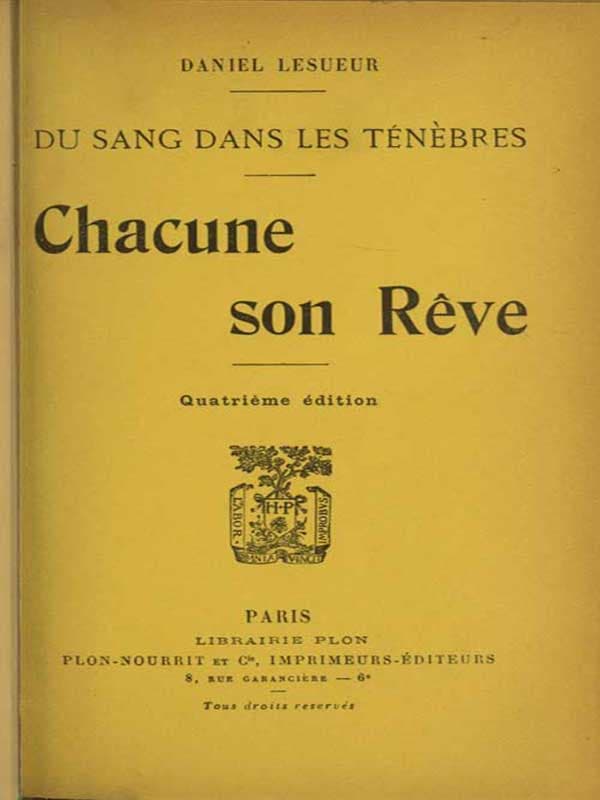
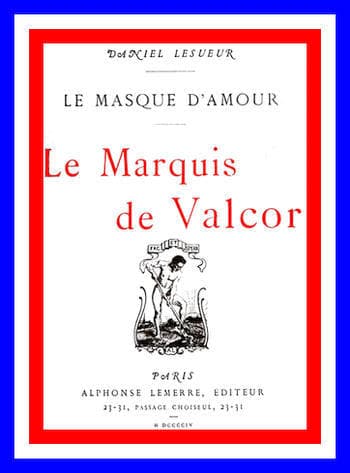
Books from the author

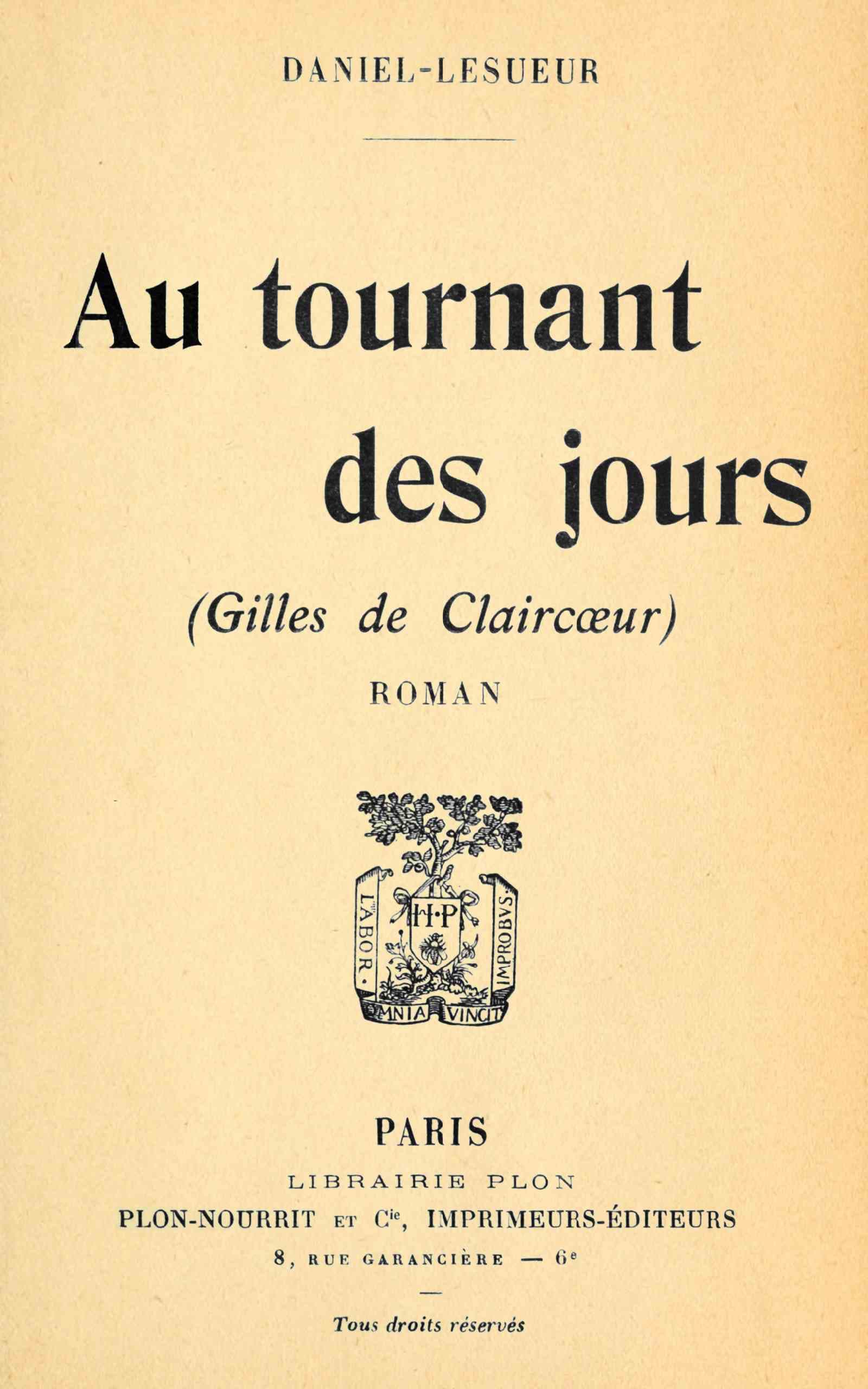
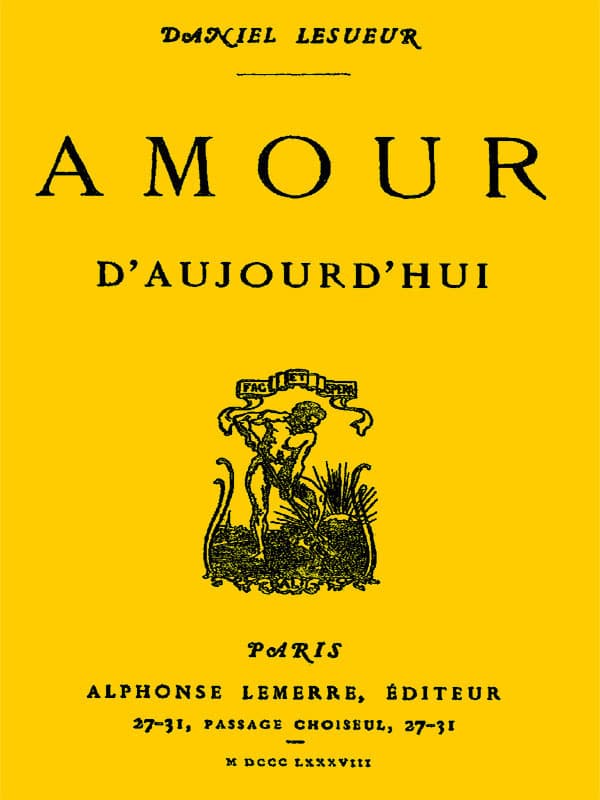
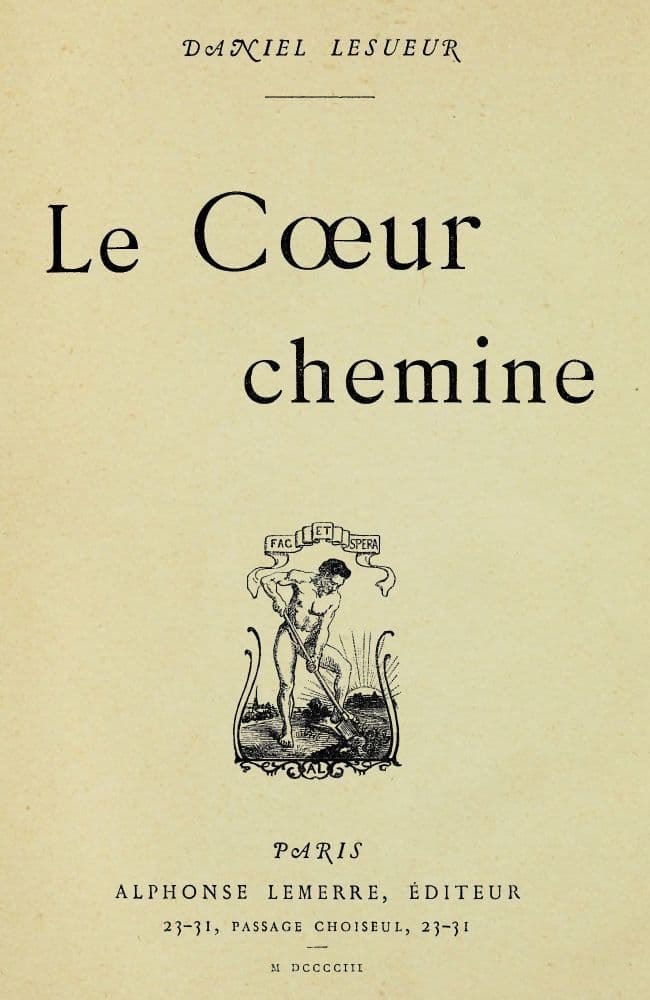


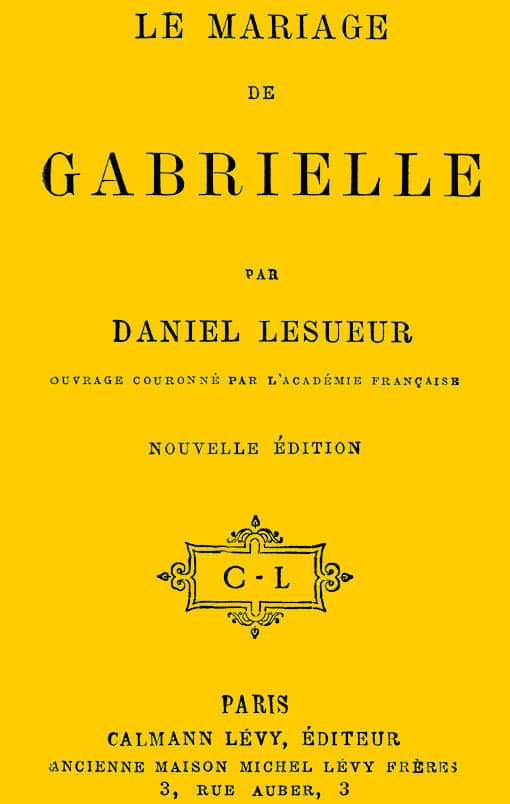














Link to this page
Add a free, dofollow link to Lex on your blog, forum, syllabus, or reading list.

<a href="https://lex-books.com/author/daniel-lesueur"><img src="https://lex-books.com/badges/read-on-lex.svg" alt="Daniel Lesueur on Lex" width="160" height="40"></a>[](https://lex-books.com/author/daniel-lesueur)[url=https://lex-books.com/author/daniel-lesueur][img]https://lex-books.com/badges/read-on-lex.svg[/img][/url]Daniel Lesueur on Lex: https://lex-books.com/author/daniel-lesueur