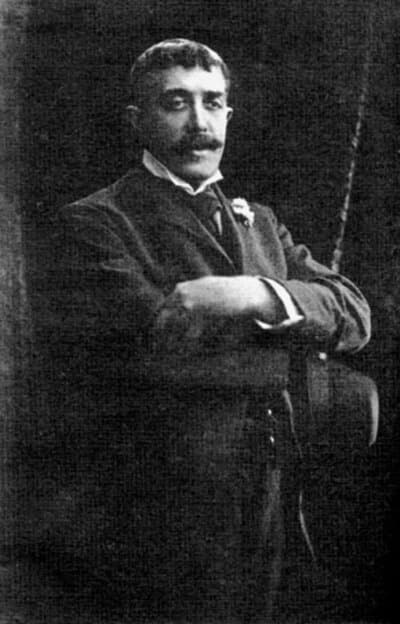
Jean Lorrain
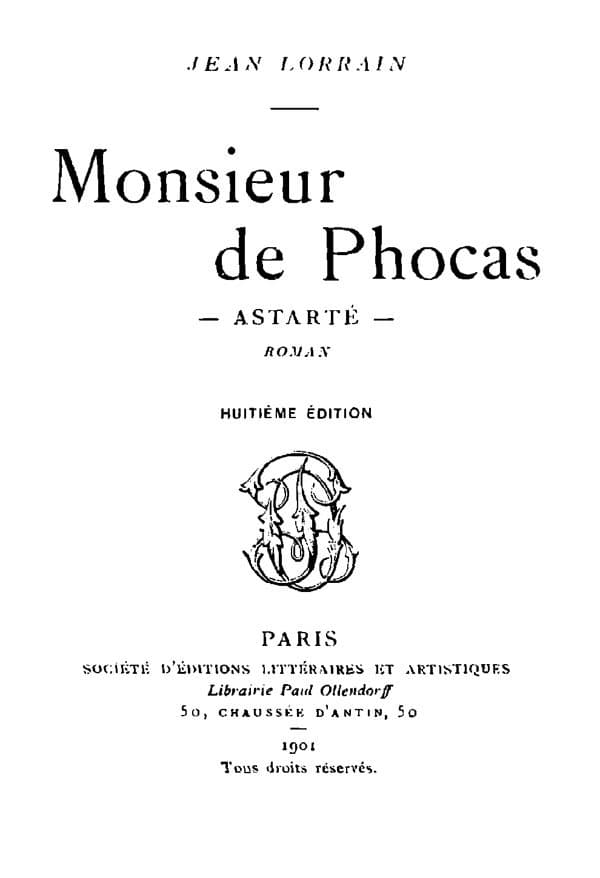
Jean Lorrain, born Paul Alexandre Martin Duval, was a prominent French poet and novelist associated with the Symbolist movement. He was deeply entrenched in the dandy culture of late 19th-century France, often found in the vibrant artistic circles of Montmartre. Lorrain's literary contributions included a variety of verse collections, such as 'La forêt bleue' (1883) and 'L'ombre ardente' (1897), which showcased his lyrical prowess and thematic depth. His works often reflected the Decadent aesthetic, exploring themes of beauty, decay, and the complexities of human experience. Among his notable fiction are 'Monsieur de Phocas' (1901) and 'Monsieur de Bougrelon' (1897), as well as the short story collection 'Histoires des masques' (1900). Lorrain's narrative style and exploration of psychological and societal themes positioned him as a significant figure in the literary landscape of his time. His influence extended beyond literature, as he also contributed to the world of opera by writing the libretto for Pierre de Bréville's 'Éros vainqueur' (1910). Lorrain's legacy endures through his unique voice in the Decadent movement and his role in shaping the Symbolist literary tradition.
Famous Quotes
View all 3 quotes“The charm of horror only tempts the strong”
“It is the sheer ugliness and banality of everyday life which turns my blood to ice and makes me cringe in terror.”
“The madness of the eyes is the lure of the abyss. Sirens lurk in the dark depths of the pupils as they lurk at the bottom of the sea, that I know for sure - but I have never encountered them, and I am searching still for the profound and plaintive gazes in whose depths I might be able, like Hamlet redeemed, to drown the Ophelia of my desire.”
Books from the author


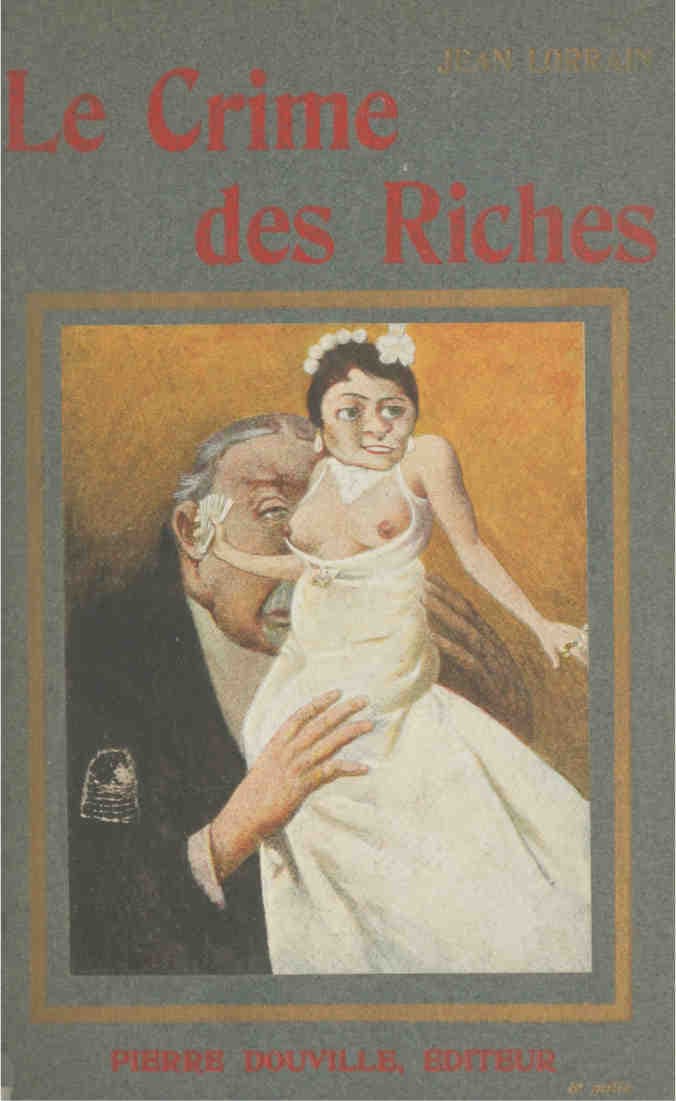



Link to this page
Add a free, dofollow link to Lex on your blog, forum, syllabus, or reading list.

<a href="https://lex-books.com/author/jean-lorrain"><img src="https://lex-books.com/badges/read-on-lex.svg" alt="Jean Lorrain on Lex" width="160" height="40"></a>[](https://lex-books.com/author/jean-lorrain)[url=https://lex-books.com/author/jean-lorrain][img]https://lex-books.com/badges/read-on-lex.svg[/img][/url]Jean Lorrain on Lex: https://lex-books.com/author/jean-lorrain