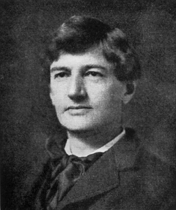
Bliss Carman
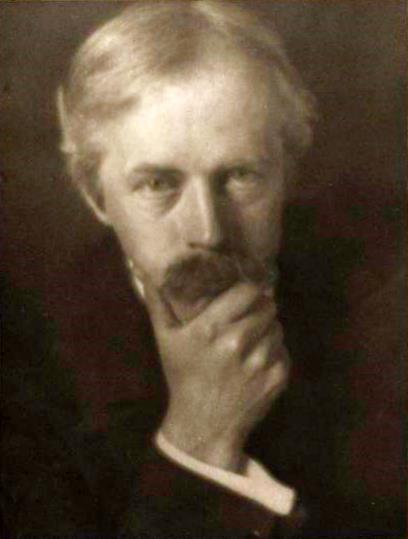
William Bliss Carman was a prominent Canadian poet who spent much of his life in the United States, where he garnered international acclaim. Recognized as one of the Confederation Poets, alongside notable figures like Charles G.D. Roberts and Archibald Lampman, Carman distinguished himself with his lyrical prowess and deep commitment to poetry. He was celebrated as Canada's poet laureate in his later years, reflecting his significant contributions to Canadian literature. Unlike many of his contemporaries, Carman chose to focus solely on poetry, eschewing novel writing and journalism, which allowed him to cultivate a unique voice in the literary landscape. Carman's work often explored themes of nature, love, and the human experience, showcasing his ability to evoke emotion through vivid imagery and musicality. His notable collections, including "Songs from Vagabondia" and "The Poet and His Art," highlight his innovative style and philosophical insights. His dedication to the craft of poetry, coupled with his critical writings on literary ideas and aesthetics, solidified his legacy as a key figure in Canadian literature, influencing future generations of poets and writers. Carman's enduring impact is felt not only in Canada but also in the broader context of North American poetry, where his lyrical touch and artistic integrity continue to be celebrated.
Famous Quotes
View all 3 quotes“THERE is something in the autumn that is native to my blood— Touch of manner, hint of mood; And my heart is like a rhyme, With the yellow and the purple and the crimson keeping time.”
“On the shining yards of heaven See a wider dawn unfurled. . . . The eternal slaves of beauty Are the masters of the world.”
“Let the red dawn surmise What we shall do, When this blue starlight dies And all is through. If we have loved but well Under the sun, Let the last morrow tell What we have done.”
Books from the author








Link to this page
Add a free, dofollow link to Lex on your blog, forum, syllabus, or reading list.

<a href="https://lex-books.com/author/bliss-carman"><img src="https://lex-books.com/badges/read-on-lex.svg" alt="Bliss Carman on Lex" width="160" height="40"></a>[](https://lex-books.com/author/bliss-carman)[url=https://lex-books.com/author/bliss-carman][img]https://lex-books.com/badges/read-on-lex.svg[/img][/url]Bliss Carman on Lex: https://lex-books.com/author/bliss-carman