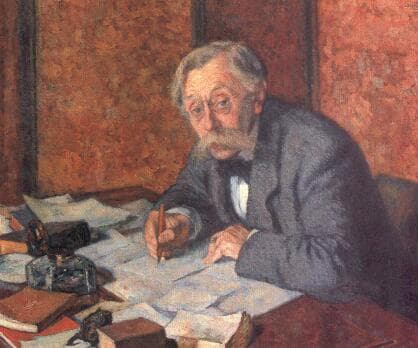
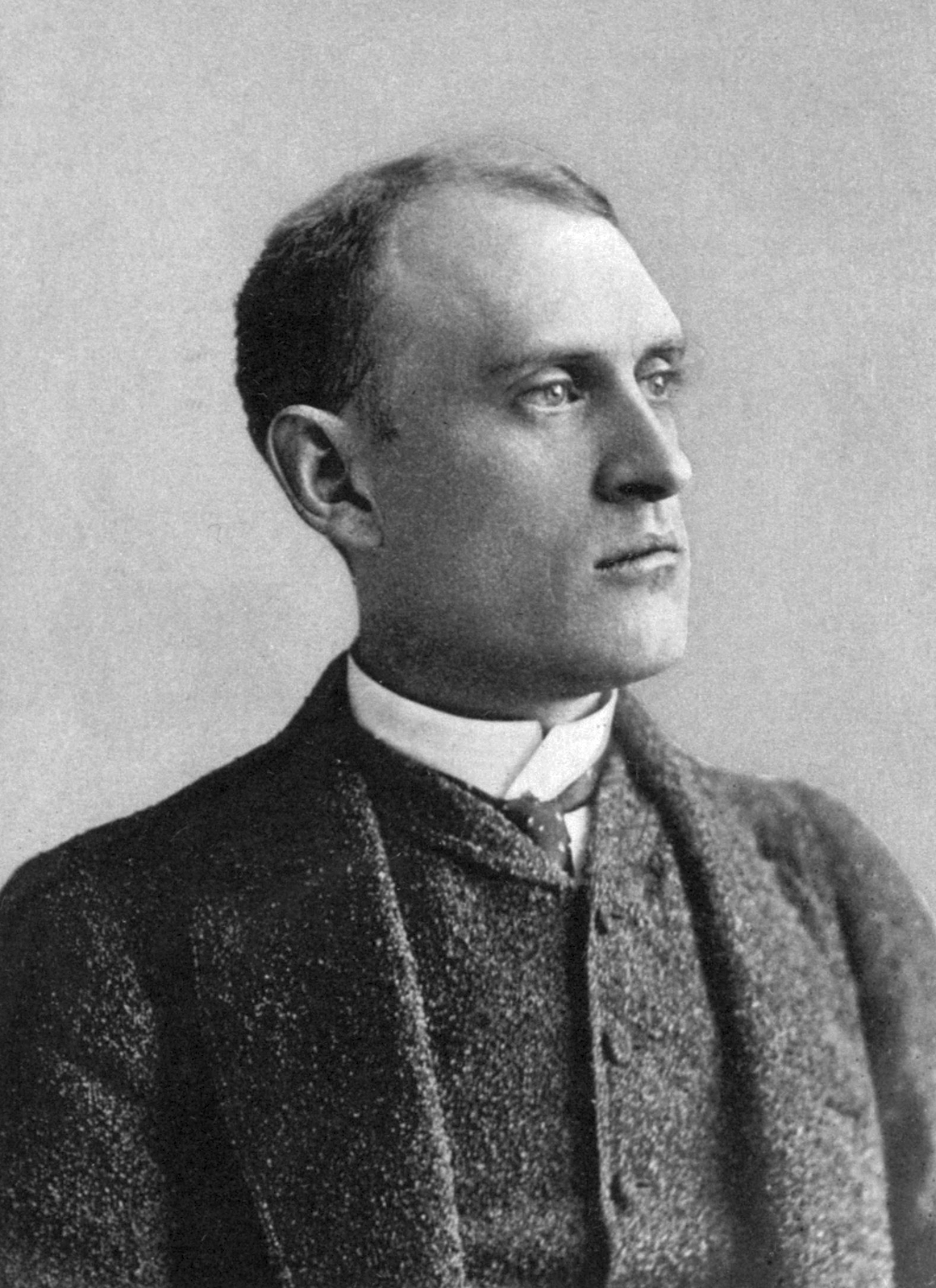
Emile Verhaeren
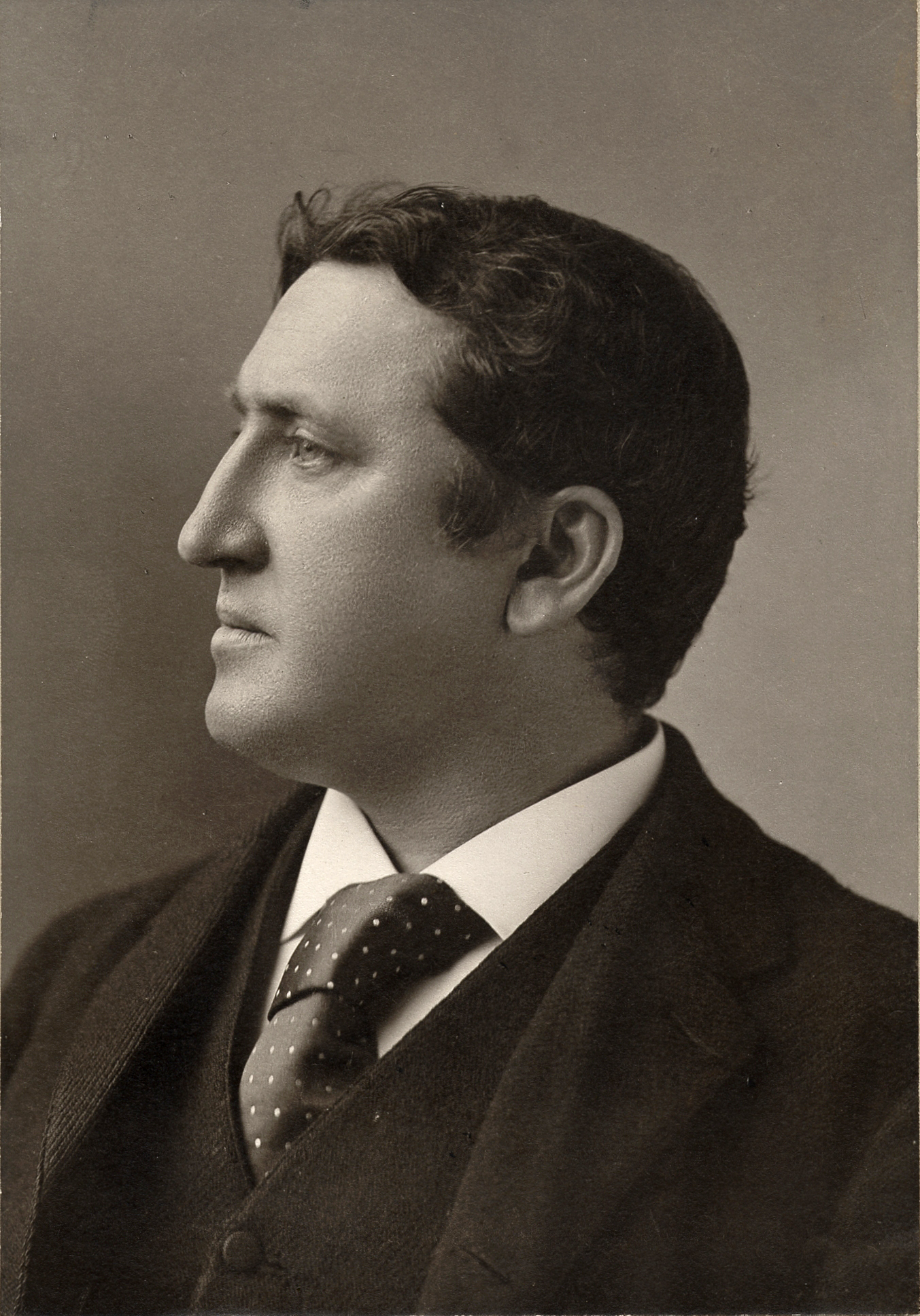
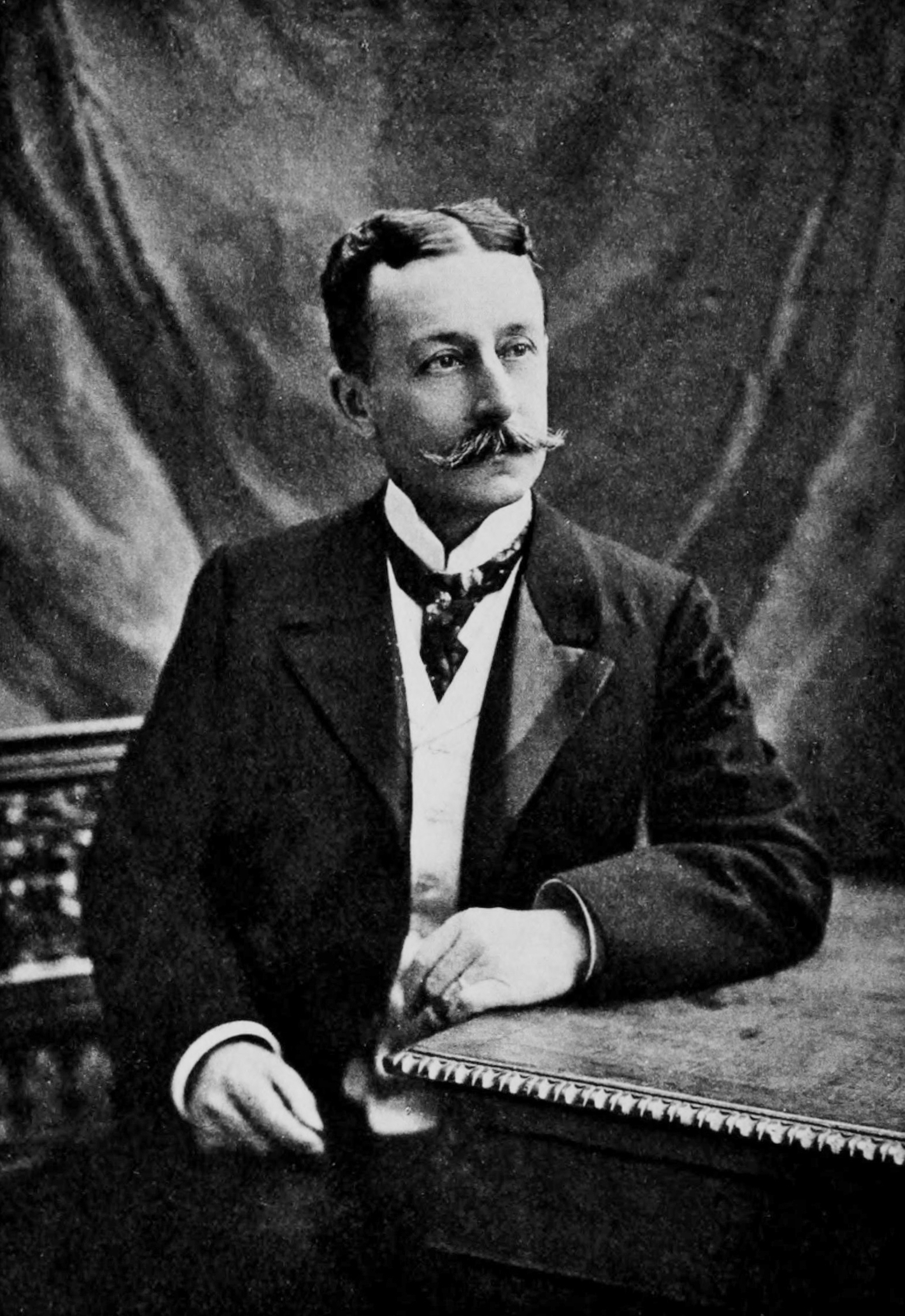
Émile Verhaeren was a prominent Belgian poet and art critic, recognized for his significant contributions to the Symbolist movement in literature. Writing primarily in French, he explored themes of modernity, nature, and the human condition, often reflecting the tumultuous changes of his time. His poetry, characterized by vivid imagery and emotional depth, sought to capture the essence of contemporary life and the complexities of human experience. Notable works such as "Les Villes tentaculaires" and "Les Heures d'Après-Midi" showcase his innovative use of language and form, establishing him as a key figure in the evolution of modern poetry. Verhaeren's influence extended beyond his own writing; he played a crucial role in shaping the Symbolist movement, which emphasized the use of symbols and metaphors to convey deeper meanings. His work not only garnered critical acclaim but also earned him multiple nominations for the Nobel Prize in Literature, highlighting his stature in the literary world. Verhaeren's legacy endures through his exploration of the intersection between art and life, making him a vital figure in the landscape of 19th and early 20th-century literature.
Famous Quotes
View all 3 quotes“I love things that are absurd, useless, impossible, frantic, excessive, and intense, because they provoke me, because I feel them like thorns in my flesh.”
“He who writes this book in which hate is not hidden was formerly a pacifist...For him no disillusionment was ever greater or more sudden. It struck him with such violence that he thought himself no longer the same man. And yet, as it seems to him that in this state of hatred his conscience becomes diminished, he dedicates these pages, with emotion, to the man he used to be.”
“Всяка трудност увеличава нашите сили.”
Books from the author
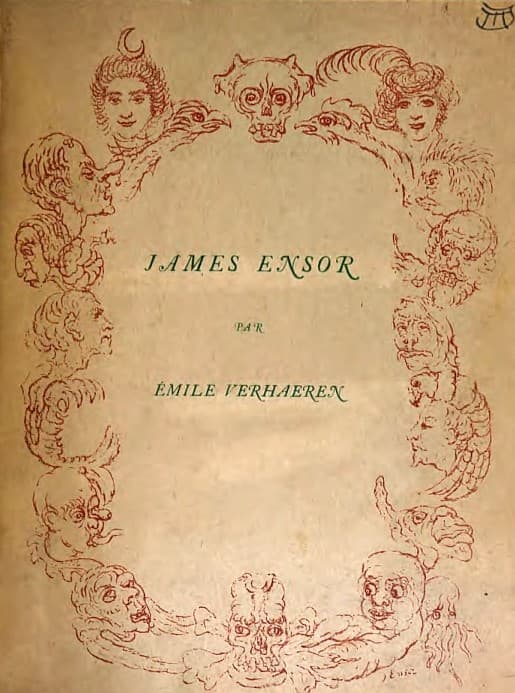
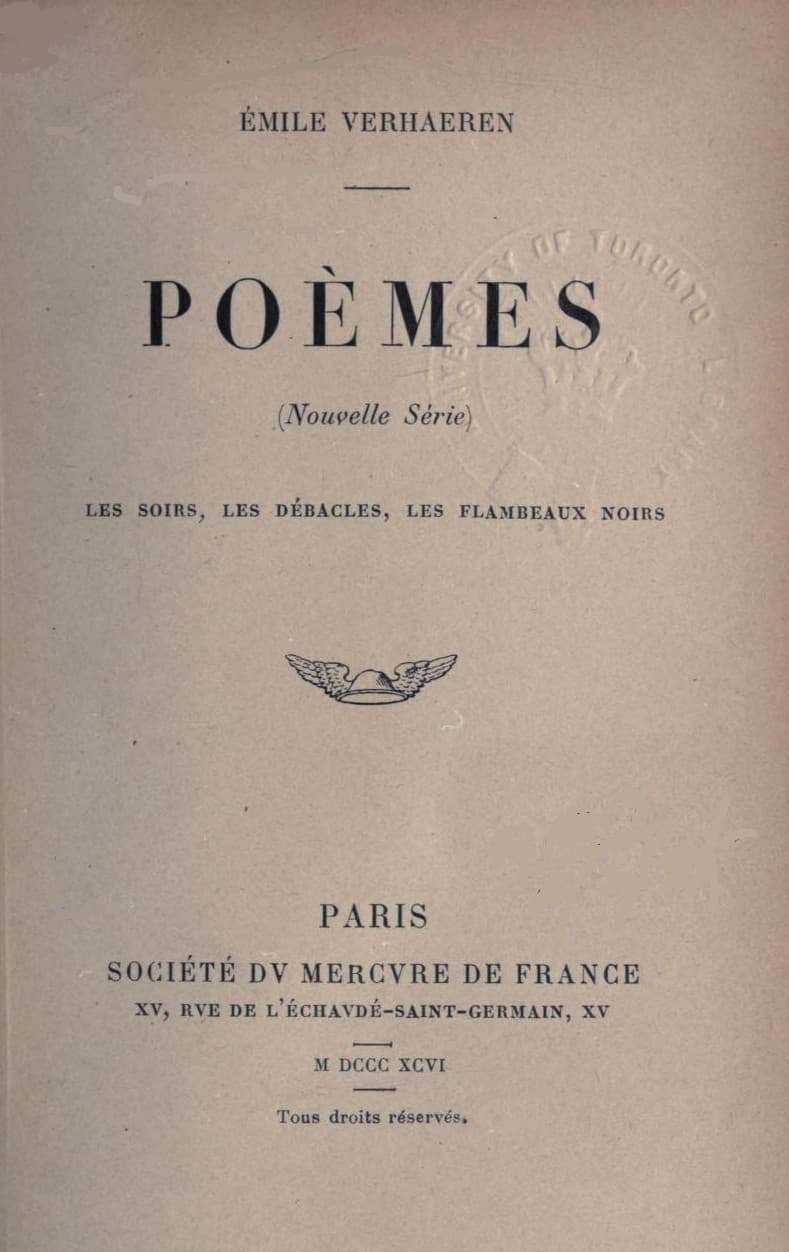
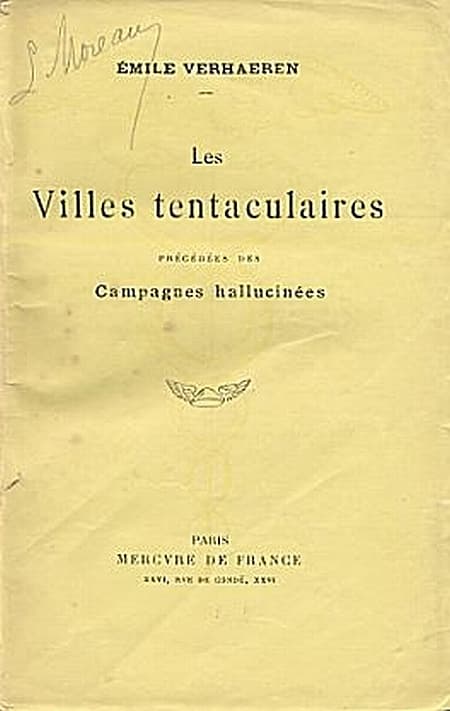









Link to this page
Add a free, dofollow link to Lex on your blog, forum, syllabus, or reading list.

<a href="https://lex-books.com/author/emile-verhaeren"><img src="https://lex-books.com/badges/read-on-lex.svg" alt="Emile Verhaeren on Lex" width="160" height="40"></a>[](https://lex-books.com/author/emile-verhaeren)[url=https://lex-books.com/author/emile-verhaeren][img]https://lex-books.com/badges/read-on-lex.svg[/img][/url]Emile Verhaeren on Lex: https://lex-books.com/author/emile-verhaeren