André Chénier
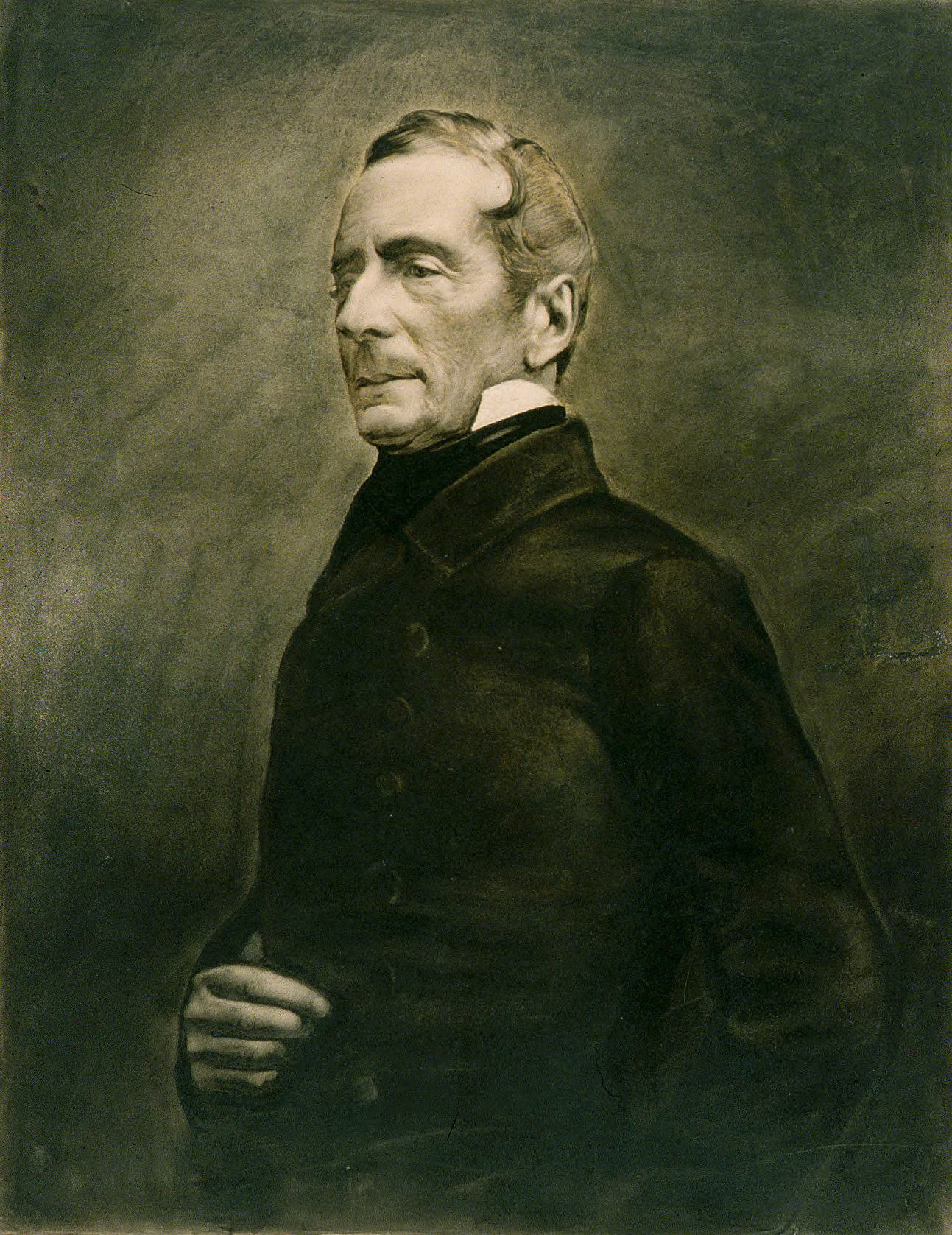
André Chénier was a French poet whose work bridged the gap between the classical tradition and the emerging Romantic movement. Born into a family of Greek descent, he was educated in Paris, where he developed a passion for literature and philosophy. Chénier's poetry is characterized by its lyrical beauty and emotional depth, often reflecting the tumultuous political climate of his time. His most notable works include 'La Jeune Captive' and 'Le Dernier Chant,' which showcase his mastery of form and his ability to convey profound human experiences amidst the chaos of the French Revolution. Chénier's life was tragically cut short when he was executed during the Reign of Terror, but his legacy endures through his influence on later poets and writers. His exploration of themes such as love, nature, and the human condition laid the groundwork for the Romantic poets who followed. Despite his brief career, Chénier's contributions to French literature are significant, marking him as a pivotal figure in the transition from neoclassicism to Romanticism, and his work continues to be celebrated for its emotional intensity and artistic innovation.
Famous Quotes
View all 1 quotes“L'obstacle nous fait grands.””
Books from the author

Link to this page
Add a free, dofollow link to Lex on your blog, forum, syllabus, or reading list.

<a href="https://lex-books.com/author/andré-chénier"><img src="https://lex-books.com/badges/read-on-lex.svg" alt="André Chénier on Lex" width="160" height="40"></a>[](https://lex-books.com/author/andré-chénier)[url=https://lex-books.com/author/andré-chénier][img]https://lex-books.com/badges/read-on-lex.svg[/img][/url]André Chénier on Lex: https://lex-books.com/author/andré-chénier