
Alexander Leighton
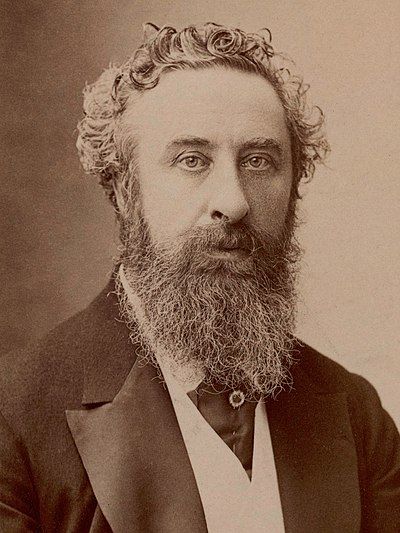
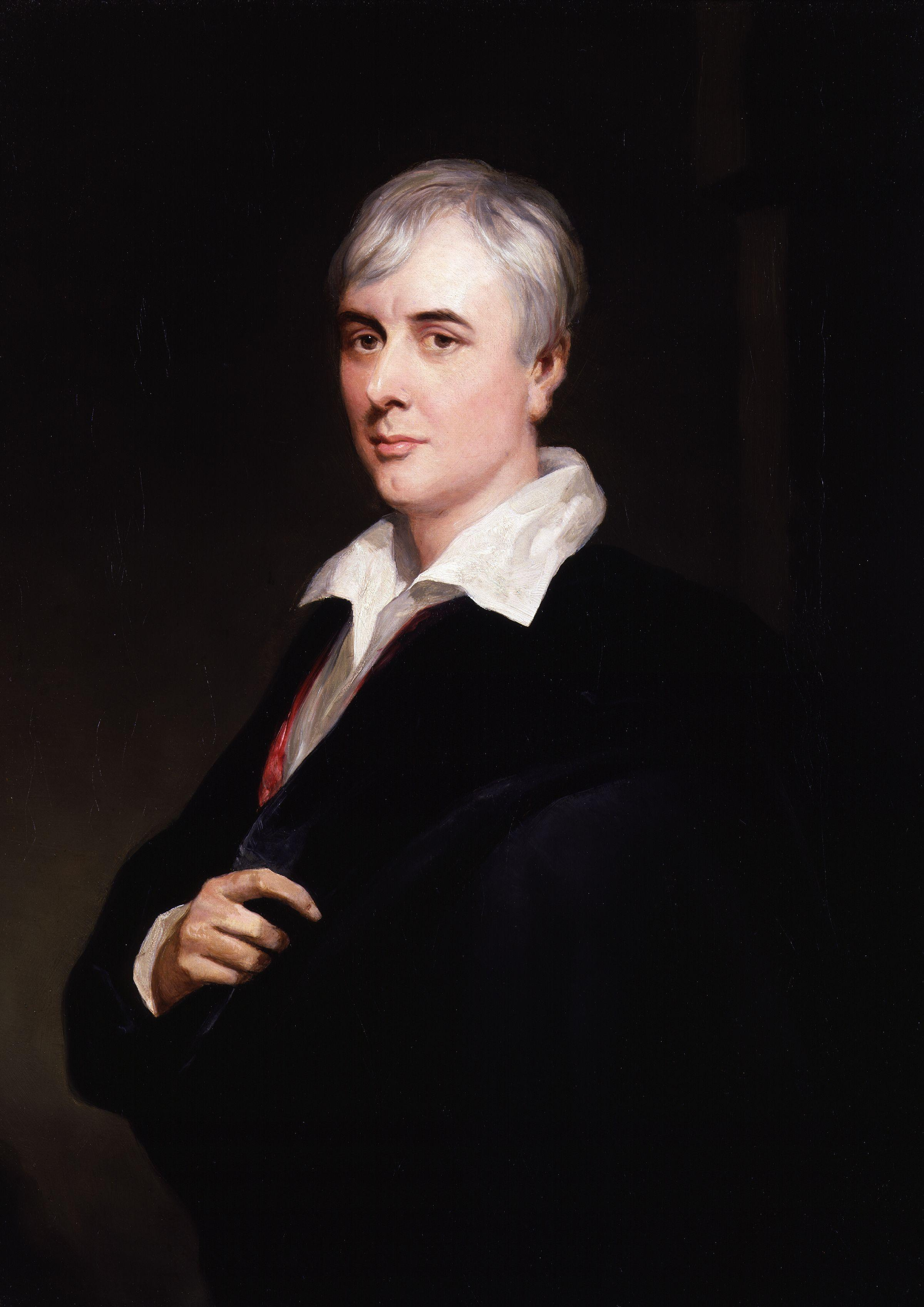
Alexander Leighton was a Scottish medical doctor and fervent Puritan preacher whose writings significantly challenged the religious establishment of his time. He is best remembered for his influential work, "Zion's Plea Against Prelacy," which vehemently criticized the Anglican Church and its hierarchical structure. This bold stance against the prevailing religious authority led to severe repercussions, including his imprisonment and torture under King Charles I, highlighting the intense conflict between Puritan beliefs and royalist Anglicanism during the 17th century. Leighton's contributions to religious discourse extended beyond his critiques of church governance; he also engaged in broader theological debates that resonated with the Puritan movement. His experiences and writings not only reflect the tumultuous political and religious landscape of his era but also underscore the struggles for religious freedom and reform. Leighton's legacy endures as a testament to the courage of those who stood against oppression in pursuit of their beliefs, making him a notable figure in the history of Scottish religious thought.
Famous Quotes
View all 5 quotes“I keep remembering one of my Guru's teachings about happiness. She says that people universally tend to think that happiness is a stroke of luck, something that will maybe descend upon you like fine weather if you're fortunate enough. But that's not how happiness works. Happiness is the consequence of personal effort. You fight for it, strive for it, insist upon it, and sometimes even travel around the world looking for it. You have to participate relentlessly in the manifestations of your own blessings. And once you have achieved a state of happiness, you must never become lax about maintaining it, you must make a mighty effort to keep swimming upward into that happiness forever, to stay afloat on top of it. If you don't you will eat away your innate contentment. It's easy enough to pray when you're in distress but continuing to pray even when your crisis has passed is like a sealing process, helping your soul hold tight to its good attainments.”
“nothing ever goes away until it has taught us what we need to know …nothing ever really attacks us except our own confusion. perhaps there is no solid obstacle except our own need to protect ourselves from being touched. maybe the only enemy is that we don’t like the way reality is now and therefore wish it would go away fast. but what we find as practitioners is that nothing ever goes away until it has taught us what we need to know. if we run a hundred miles an hour to the other end of the continent in order to get away from the obstacle, we find the very same problem waiting for us when we arrive. it just keeps returning with new names, forms, manifestations until we learn whatever it has to teach us about where we are separating ourselves from reality, how we are pulling back instead of opening up, closing down instead of allowing ourselves to experience fully whatever we encounter, without hesitating or retreating into ourselves.”
“Yes, love, ...but not the love that loves for something, to gain something, or because of something, but that love that I felt for the first time, when dying, I saw my enemy and yet loved him. I knew that feeling of love which is the essence of the soul, for which no object is needed. And I know that blissful feeling now too. To love one's neighbours; to love one's enemies. To love everything - to Love God in all His manifestations. Some one dear to one can be loved with human love; but an enemy can only be loved with divine love. And that was why I felt such joy when I felt that I loved that man. What happened to him? Is he alive? ...Loving with human love, one may pass from love to hatred; but divine love cannot change. Nothing, not even death, can shatter it. It is the very nature of the soul. And how many people I have hated in my life. And of all people none I have loved and hated more than her.... If it were only possible for me to see her once more... once, looking into those eyes to say...”
Books from the author





Link to this page
Add a free, dofollow link to Lex on your blog, forum, syllabus, or reading list.

<a href="https://lex-books.com/author/alexander-leighton"><img src="https://lex-books.com/badges/read-on-lex.svg" alt="Alexander Leighton on Lex" width="160" height="40"></a>[](https://lex-books.com/author/alexander-leighton)[url=https://lex-books.com/author/alexander-leighton][img]https://lex-books.com/badges/read-on-lex.svg[/img][/url]Alexander Leighton on Lex: https://lex-books.com/author/alexander-leighton