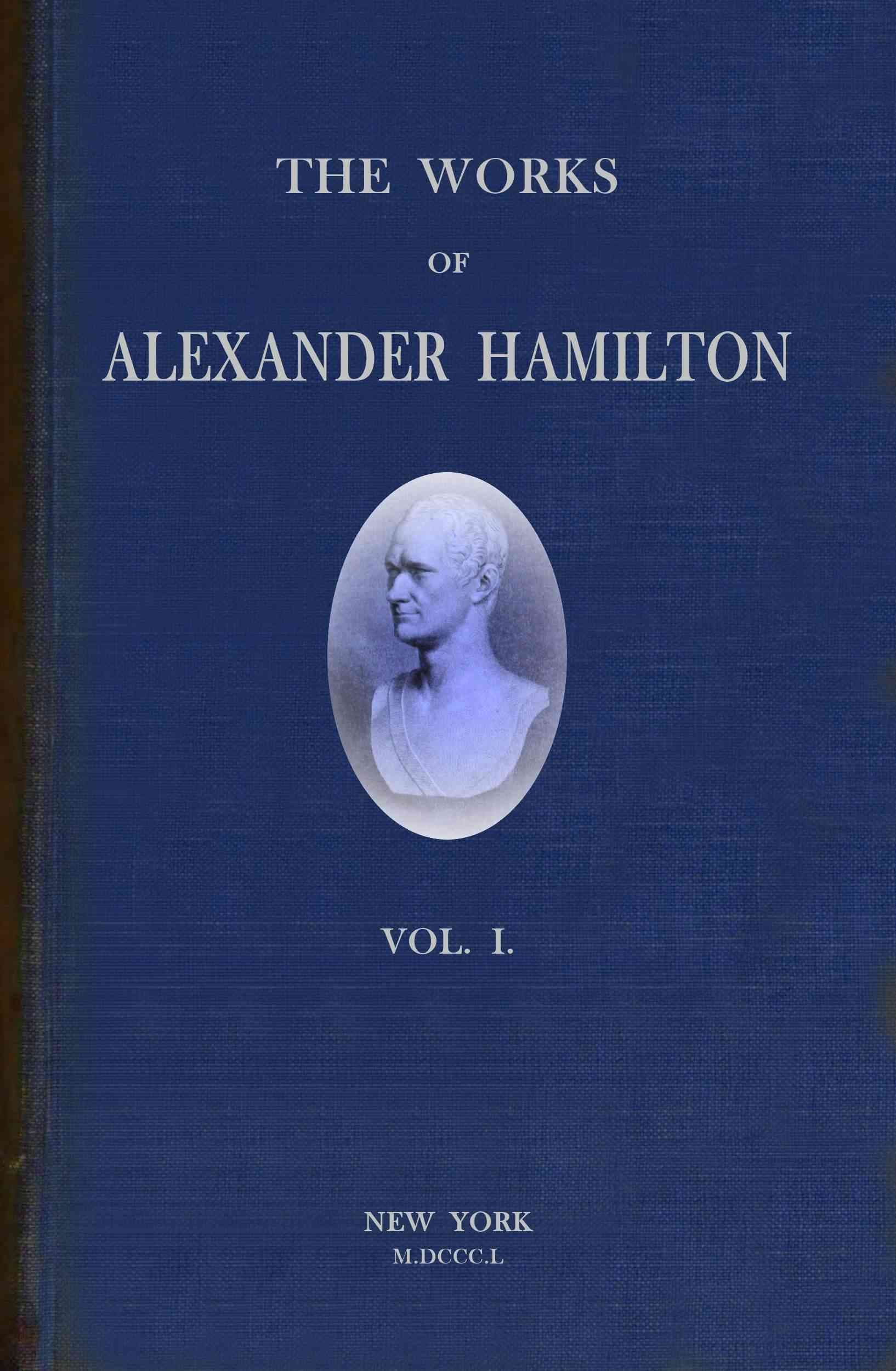
Alexander Hamilton
Alexander Hamilton was a pivotal figure in the early history of the United States, serving as a military officer, statesman, and the first Secretary of the Treasury. Born in Charlestown, Nevis, he faced a challenging childhood marked by the loss of his parents. Despite these hardships, Hamilton's intellect and ambition led him to King's College in New York City, where he became an influential pamphleteer advocating for the American Revolution. His military service during the Revolutionary War included notable roles as an artillery officer and aide-de-camp to General George Washington, culminating in his participation in the decisive Siege of Yorktown, which secured American independence. After the war, Hamilton's contributions to the formation of the United States continued as he played a key role in drafting the U.S. Constitution. He was a delegate at both the Annapolis Convention and the Philadelphia Convention, where he championed a stronger federal government. As a prolific writer, he authored 51 of the 85 essays in The Federalist Papers, which were instrumental in persuading states to ratify the Constitution. Hamilton's legacy as a founding father and architect of the American financial system, including the establishment of the Bank of New York, solidified his importance in American history, influencing the nation's economic policies for generations to come.
Famous Quotes
View all 15 quotes“Men give me credit for some genius. All the genius I have lies in this; when I have a subject in hand, I study it profoundly. Day and night it is before me. My mind becomes pervaded with it. Then the effort that I have made is what people are pleased to call the fruit of genius. It is the fruit of labor and thought.””
“Give all the power to the many, they will oppress the few. Give all the power to the few, they will oppress the many.””
Books from the author



Link to this page
Add a free, dofollow link to Lex on your blog, forum, syllabus, or reading list.

<a href="https://lex-books.com/author/alexander-hamilton"><img src="https://lex-books.com/badges/read-on-lex.svg" alt="Alexander Hamilton on Lex" width="160" height="40"></a>[](https://lex-books.com/author/alexander-hamilton)[url=https://lex-books.com/author/alexander-hamilton][img]https://lex-books.com/badges/read-on-lex.svg[/img][/url]Alexander Hamilton on Lex: https://lex-books.com/author/alexander-hamilton