The Federalist Papers
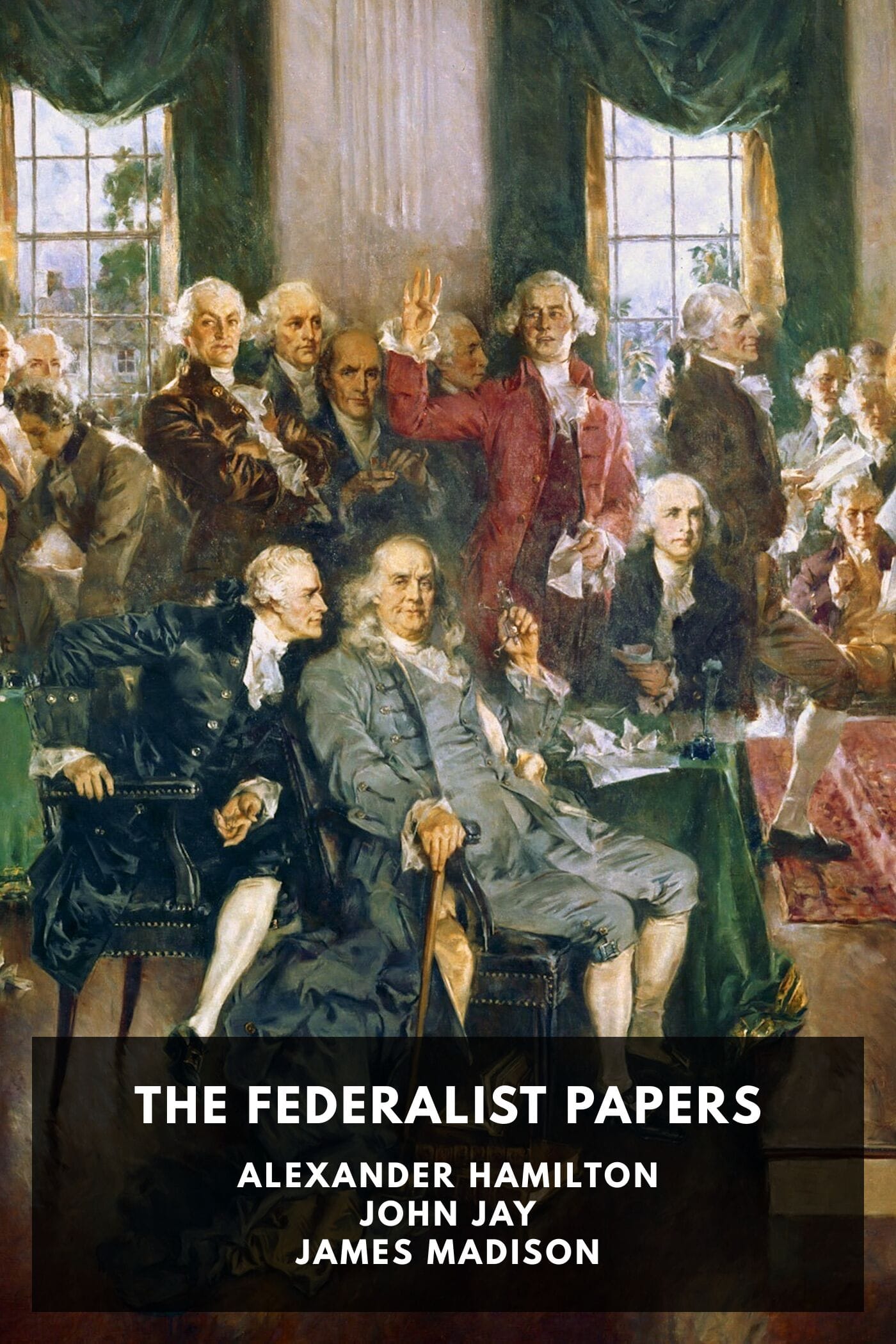
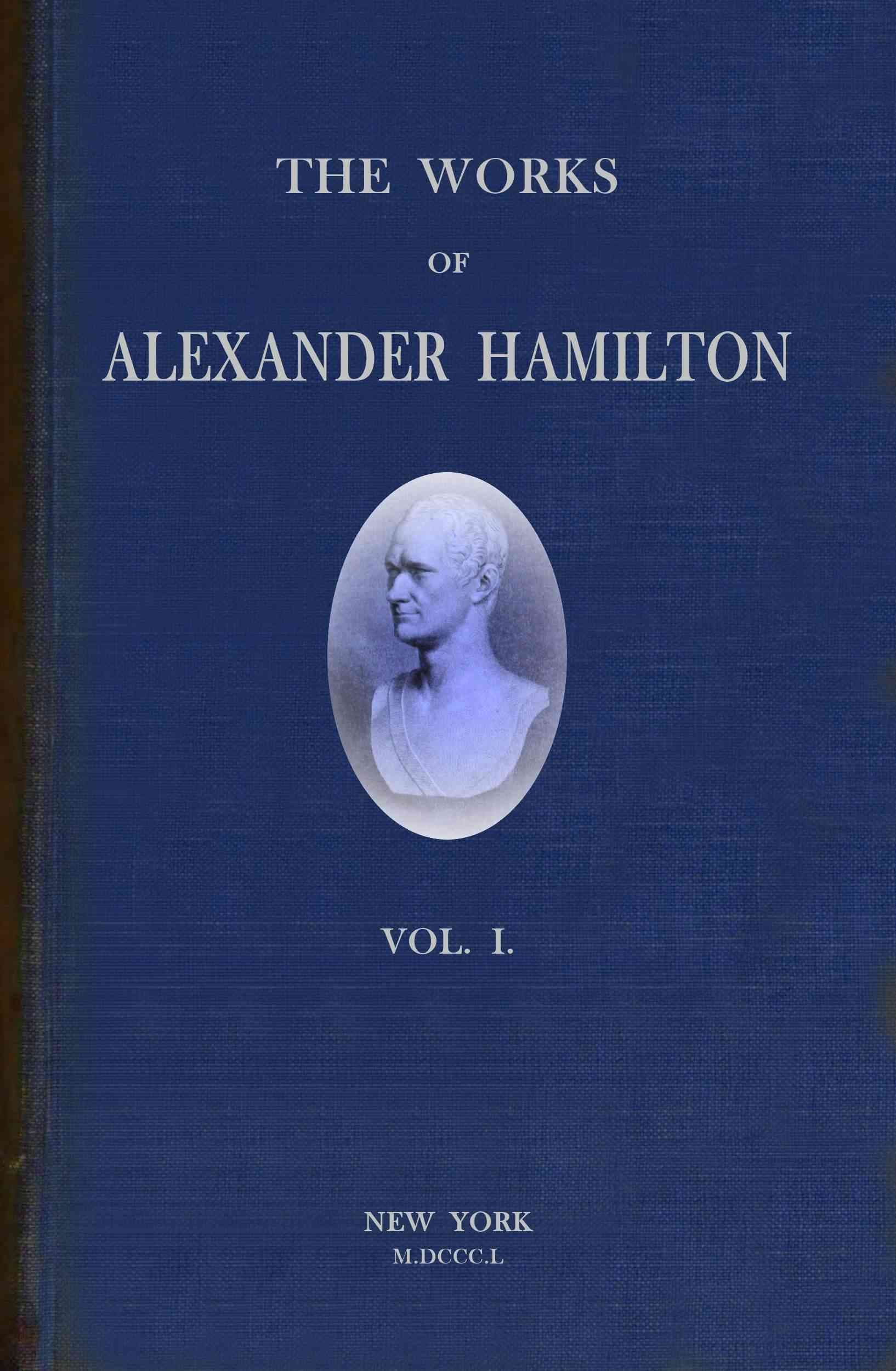
Born from the maelstrom of post-Revolutionary America, *The Federalist Papers* are a collection of 85 essays penned by Alexander Hamilton, James Madison, and John Jay under the pseudonym "Publius." Their urgent mission: to sway New York voters toward ratifying the newly drafted U.S. Constitution. Confronting a nation teetering on the brink under the feeble Articles of Confederation, Publius meticulously dissects the proposed governmental structure, laying out a compelling case for a strong, unified republic. From the necessity of a vigorous executive to the checks and balances designed to prevent tyranny, these essays articulate the foundational principles of American governance, offering an unparalleled window into the minds of the Constitution's architects as they grappled with the monumental task of nation-building. More than just historical artifacts, *The Federalist Papers* remain an indispensable guide to understanding the enduring spirit and intricate mechanics of the U.S. Constitution. They are a masterclass in political philosophy and persuasive rhetoric, illuminating the delicate balance between liberty and order, federal power and states' rights, that continues to shape American discourse. Frequently cited by the Supreme Court, these essays offer the clearest and most authoritative exposition of the document that underpins the American experiment, making them essential reading for anyone seeking to comprehend the origins and ongoing evolution of the United States.
Editions

X-Ray
Primary author and architect of The Federalist Papers, advocating for a strong federal government. A brilliant political theorist and statesman who wrote the majority of the essays.
Co-author known as the 'Father of the Constitution,' contributing key essays on republican government and federalism. Provided theoretical foundation for the new system.
Co-author and Secretary of Foreign Affairs, contributing essays on foreign relations and the importance of union. Wrote fewer essays due to illness.
Opposition writers including 'Cato,' 'Brutus,' and 'Centinel' who argued against ratification of the Constitution. Represented states' rights advocates and those fearing centralized power.
About The Federalist Papers
Chapter Summaries
- 1
- Hamilton introduces the series, outlining the plan to discuss the utility of union, inadequacy of current confederation, and necessity of energetic government. Sets the stakes as determining whether societies can establish good government through reflection and choice.
- 2
- Jay argues that union provides better security against foreign threats than separate confederacies. Emphasizes America's natural advantages and the need for unified foreign policy.
- 6
- Hamilton warns of inevitable conflicts between states if disunited, using historical examples of wars between neighboring nations. Argues that commercial rivalries and territorial disputes would lead to violence.
Key Themes
- Federalism vs. States' Rights
- The central tension between creating an effective national government while preserving state sovereignty and individual liberty.
- Republican Government
- Exploration of how representative democracy can function effectively over a large territory, challenging classical theories about republic size.
- Separation of Powers
- The necessity of dividing governmental authority among different branches to prevent tyranny and ensure effective governance.
Characters
- Alexander Hamilton(protagonist)
- Primary author and architect of The Federalist Papers, advocating for a strong federal government. A brilliant political theorist and statesman who wrote the majority of the essays.
- James Madison(protagonist)
- Co-author known as the 'Father of the Constitution,' contributing key essays on republican government and federalism. Provided theoretical foundation for the new system.
- John Jay(major)
- Co-author and Secretary of Foreign Affairs, contributing essays on foreign relations and the importance of union. Wrote fewer essays due to illness.
- Anti-Federalists(antagonist)
- Opposition writers including 'Cato,' 'Brutus,' and 'Centinel' who argued against ratification of the Constitution. Represented states' rights advocates and those fearing centralized power.
- Publius(major)
- The collective pseudonym used by Hamilton, Madison, and Jay. Represents the unified voice advocating for constitutional ratification.
Link to this book
Add a free, dofollow link to Lex on your blog, forum, syllabus, or reading list.

<a href="https://lex-books.com/book/the-federalist-papers-04208192-0dc6-4ce1-bebf-0ccdd74e5a68"><img src="https://lex-books.com/badges/read-on-lex.svg" alt="Read The Federalist Papers by Alexander Hamilton free on Lex" width="160" height="40"></a>[](https://lex-books.com/book/the-federalist-papers-04208192-0dc6-4ce1-bebf-0ccdd74e5a68)[url=https://lex-books.com/book/the-federalist-papers-04208192-0dc6-4ce1-bebf-0ccdd74e5a68][img]https://lex-books.com/badges/read-on-lex.svg[/img][/url]Read The Federalist Papers by Alexander Hamilton free on Lex: https://lex-books.com/book/the-federalist-papers-04208192-0dc6-4ce1-bebf-0ccdd74e5a68Cite this book
Reading this edition for a paper or guide? Copy a citation.
Hamilton, Alexander. The Federalist Papers. Lex, lex-books.com/book/the-federalist-papers-04208192-0dc6-4ce1-bebf-0ccdd74e5a68.Hamilton, A. (n.d.). The Federalist Papers. Lex. https://lex-books.com/book/the-federalist-papers-04208192-0dc6-4ce1-bebf-0ccdd74e5a68Hamilton, Alexander. The Federalist Papers. Lex. https://lex-books.com/book/the-federalist-papers-04208192-0dc6-4ce1-bebf-0ccdd74e5a68.