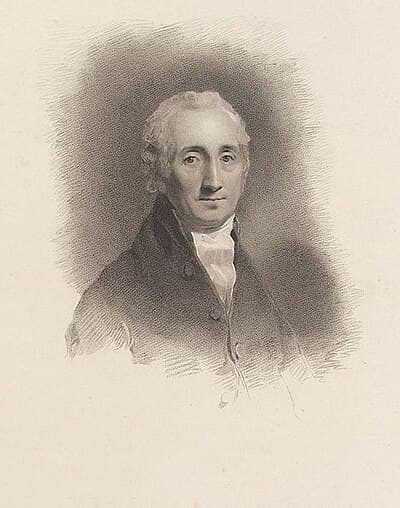
Alexander Fraser
Alexander Fraser Tytler, Lord Woodhouselee, was a prominent Scottish advocate, judge, and historian known for his contributions to the fields of history and literature. He served as a Professor of Universal History and of Greek and Roman Antiquities at the University of Edinburgh, where he influenced a generation of scholars and students. Tytler's most notable works include 'The History of Scotland' and 'The Principles of Translation,' which showcased his deep understanding of historical narratives and the intricacies of language. His writings often reflected a blend of legal insight and historical analysis, making significant contributions to the understanding of Scottish history and the art of translation. Tytler's legacy extends beyond his academic roles; he was also a member of the Royal Society of Edinburgh, where he engaged with other intellectuals of his time. His work laid the groundwork for future historians and translators, and he is remembered for his rigorous approach to historical scholarship. Tytler's influence can be seen in the way history was taught and understood in Scotland, and his insights into translation continue to resonate in literary studies today.
Famous Quotes
View all 5 quotes“A democracy cannot exist as a permanent form of government. It can only exist until the voters discover that they can vote themselves largesse from the public treasury. From that moment on, the majority always votes for the candidates promising the most benefits from the public treasury with the result that a democracy always collapses over loose fiscal policy, always followed by a dictatorship. The average age of the world's greatest civilizations has been 200 years. These nations have progressed through this sequence: From bondage to spiritual faith; From spiritual faith to great courage; From courage to liberty; From liberty to abundance; From abundance to selfishness; From selfishness to apathy; From apathy to dependence; From dependence back into bondage.””
“A democracy is always temporary in nature; it simply cannot exist as a permanent form of government. A democracy will continue to exist up until the time that voters discover that they can vote themselves generous gifts from the public treasury. From that moment on, the majority always votes for the candidates who promise the most benefits from the public treasury, with the result that every democracy will finally collapse due to loose fiscal policy...””
“Now, look you here, Sekundar," says I, but he came up straight like a little bantam and cut me off."Sir Alexander. if you please," says he icily, as though I’d never seen him with his breeches down, chasing after some big Afghan bint.””
Books from the author





Link to this page
Add a free, dofollow link to Lex on your blog, forum, syllabus, or reading list.

<a href="https://lex-books.com/author/alexander-fraser"><img src="https://lex-books.com/badges/read-on-lex.svg" alt="Alexander Fraser on Lex" width="160" height="40"></a>[](https://lex-books.com/author/alexander-fraser)[url=https://lex-books.com/author/alexander-fraser][img]https://lex-books.com/badges/read-on-lex.svg[/img][/url]Alexander Fraser on Lex: https://lex-books.com/author/alexander-fraser