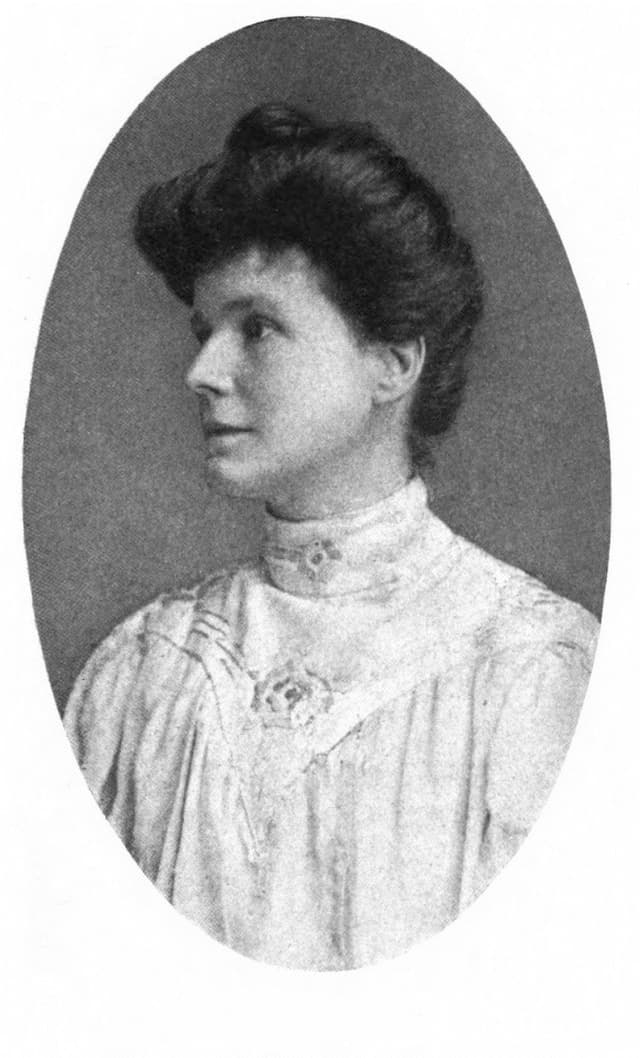
May Sinclair
May Sinclair, born Mary Amelia St. Clair, was a British writer known for her diverse body of work that included novels, short stories, and poetry. An active suffragist, she was deeply involved in the Woman Writers' Suffrage League and famously donned a costume as Jane Austen for a fundraising event, highlighting her commitment to women's rights. Sinclair's literary contributions spanned approximately two dozen works, showcasing her versatility and engagement with contemporary social issues. Sinclair is particularly notable for her critical role in the development of modernist literature. She is credited with coining the term 'stream of consciousness' in a review of Dorothy Richardson's novel sequence, Pilgrimage, in 1918. This concept would go on to influence a generation of writers, including Virginia Woolf and James Joyce. Her novels, such as The Life and Death of Harriett Frean and Mary Olivier: A Life, delve into the complexities of women's experiences and inner lives, marking her as a significant figure in early 20th-century literature. Sinclair's legacy endures through her contributions to modernist thought and her advocacy for women's rights in literature and society.
Famous Quotes
View all 3 quotes“She found that by a system of punctual movements she could give to her existence the reasonable appearance of an aim.”
“You can't conceive the perverse ingenuity he could put into hiding his affections.”
“Though he plunged into work as another man might have plunged into dissipation, to drown the thought of her, you could see that he had no longer any interest in it; he no longer loved it. He attacked it with a fury that had more hate in it than love.”
Books from the author

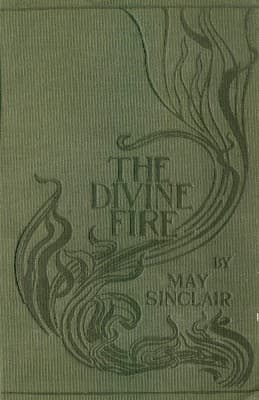
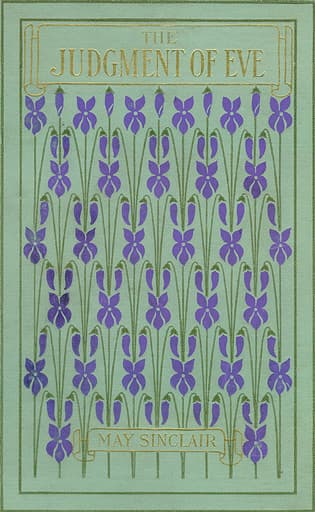

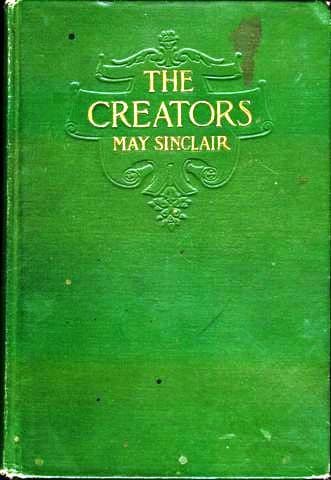
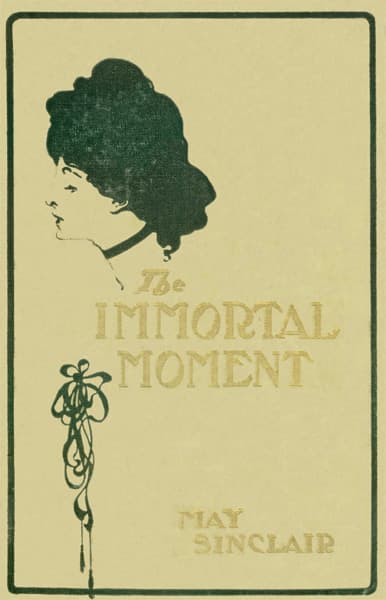





Link to this page
Add a free, dofollow link to Lex on your blog, forum, syllabus, or reading list.

<a href="https://lex-books.com/author/may-sinclair"><img src="https://lex-books.com/badges/read-on-lex.svg" alt="May Sinclair on Lex" width="160" height="40"></a>[](https://lex-books.com/author/may-sinclair)[url=https://lex-books.com/author/may-sinclair][img]https://lex-books.com/badges/read-on-lex.svg[/img][/url]May Sinclair on Lex: https://lex-books.com/author/may-sinclair