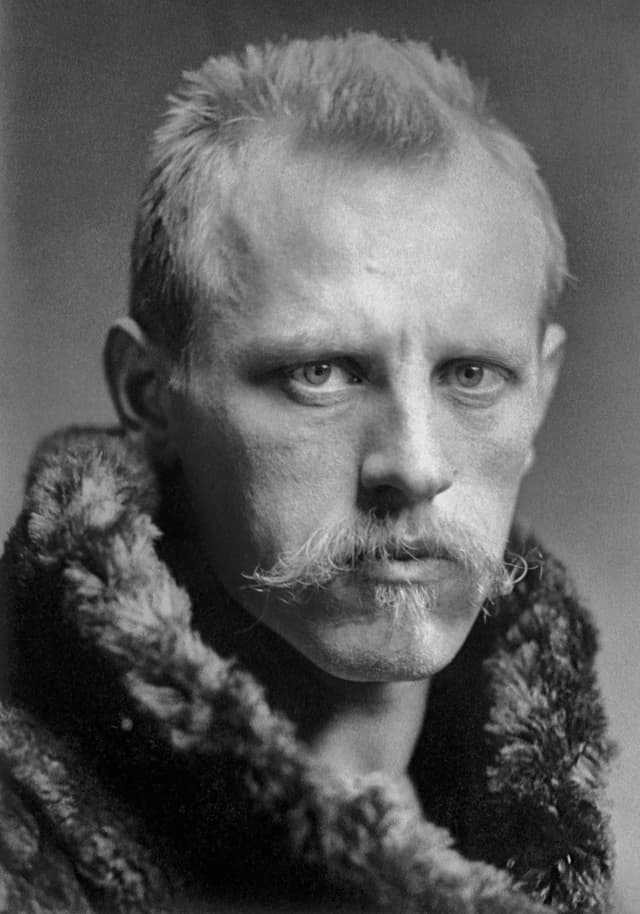
Fridtjof Nansen
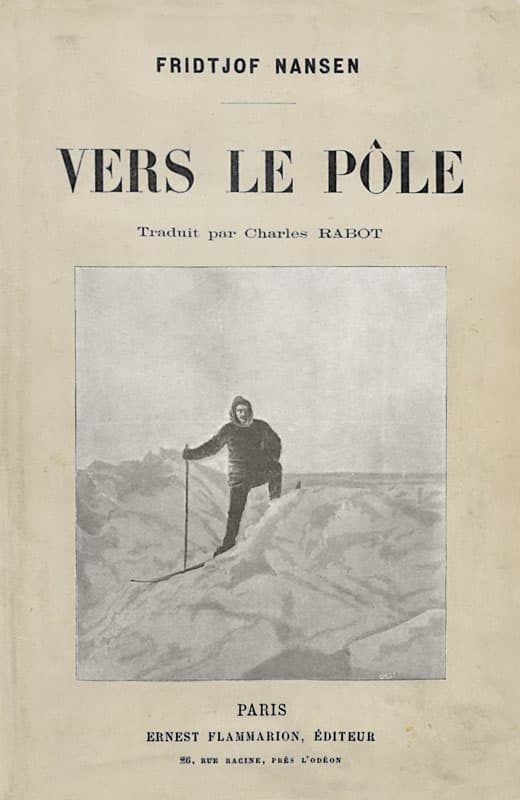
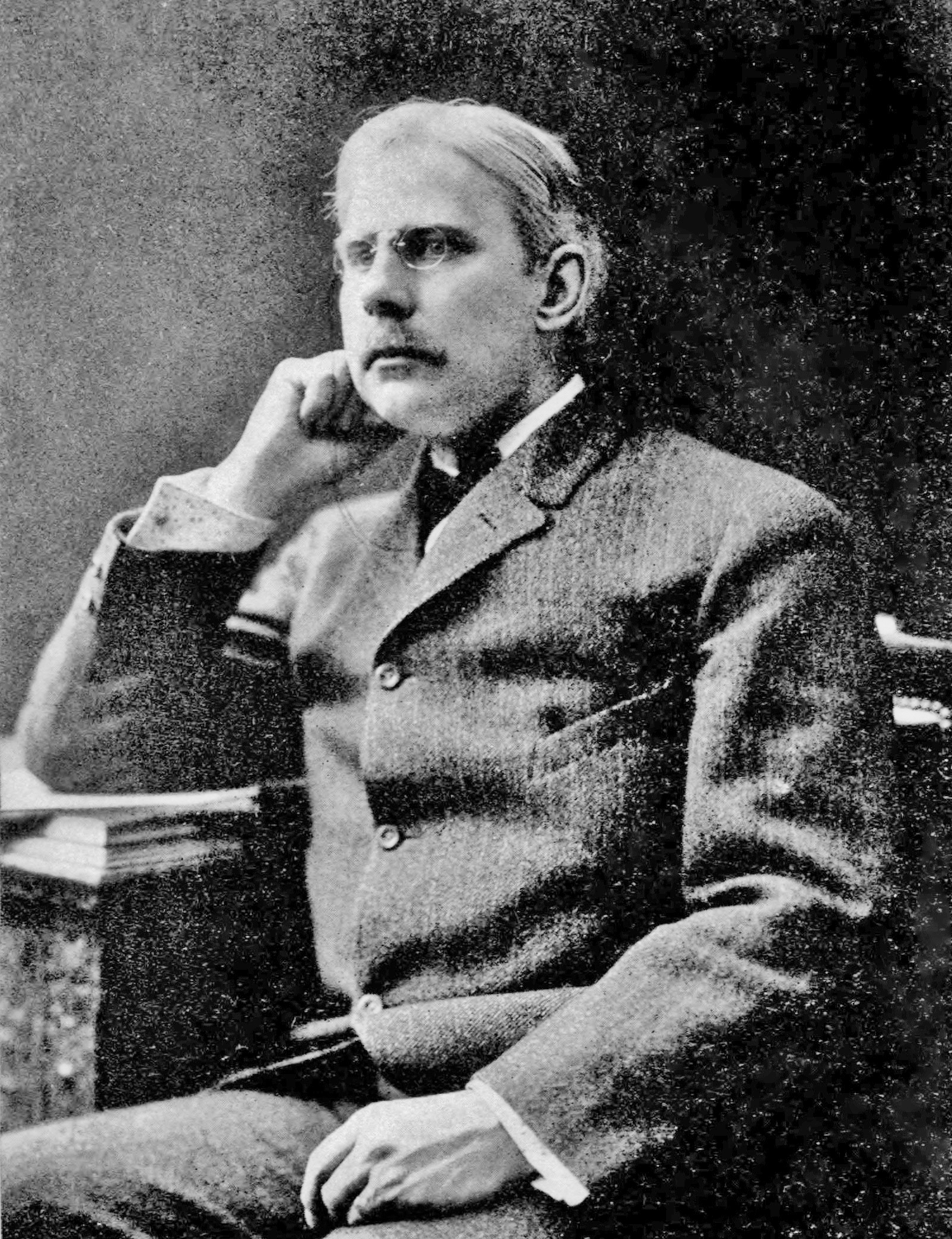
Fridtjof Nansen was a Norwegian polymath renowned for his diverse contributions as an explorer, scientist, diplomat, and humanitarian. He first gained prominence in 1888 when he led the first successful crossing of the Greenland interior on skis, a feat that showcased his pioneering spirit and expertise in polar travel. His most notable achievement came during the Fram expedition from 1893 to 1896, where he reached a record northern latitude of 86°14′, solidifying his status as a leading figure in Arctic exploration. Nansen's innovations in equipment and techniques significantly influenced subsequent expeditions to both the Arctic and Antarctic regions. In addition to his exploration endeavors, Nansen made significant contributions to science, particularly in zoology and oceanography. He studied at the Royal Frederick University in Christiania and later worked as a curator at the University Museum of Bergen, where his research on the central nervous system of marine organisms helped establish the neuron doctrine. His scientific pursuits continued as he shifted focus to oceanography, leading numerous scientific cruises and advancing modern oceanographic equipment. Nansen's legacy extends beyond his scientific and exploratory achievements; he was also a dedicated humanitarian, co-founding the Fatherland League and earning the Nobel Peace Prize for his efforts in refugee assistance after World War I, exemplifying his commitment to social causes and international diplomacy.
Famous Quotes
View all 3 quotes“I demolish my bridges behind me...then there is no choice but to move forward”
“The difficult is what takes a little time. The impossible is what takes a little longer.”
“It is better to go skiing and think of God, than go to church and think of sport.”
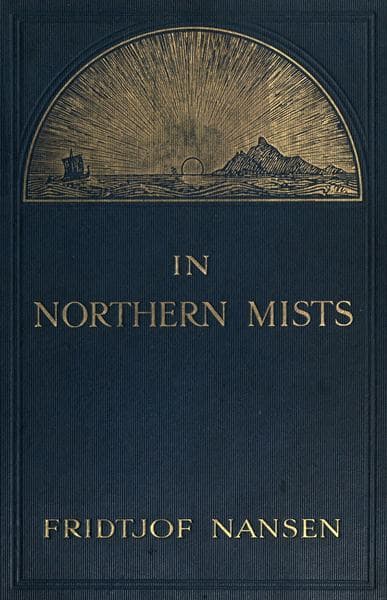
Books from the author






Link to this page
Add a free, dofollow link to Lex on your blog, forum, syllabus, or reading list.

<a href="https://lex-books.com/author/fridtjof-nansen"><img src="https://lex-books.com/badges/read-on-lex.svg" alt="Fridtjof Nansen on Lex" width="160" height="40"></a>[](https://lex-books.com/author/fridtjof-nansen)[url=https://lex-books.com/author/fridtjof-nansen][img]https://lex-books.com/badges/read-on-lex.svg[/img][/url]Fridtjof Nansen on Lex: https://lex-books.com/author/fridtjof-nansen