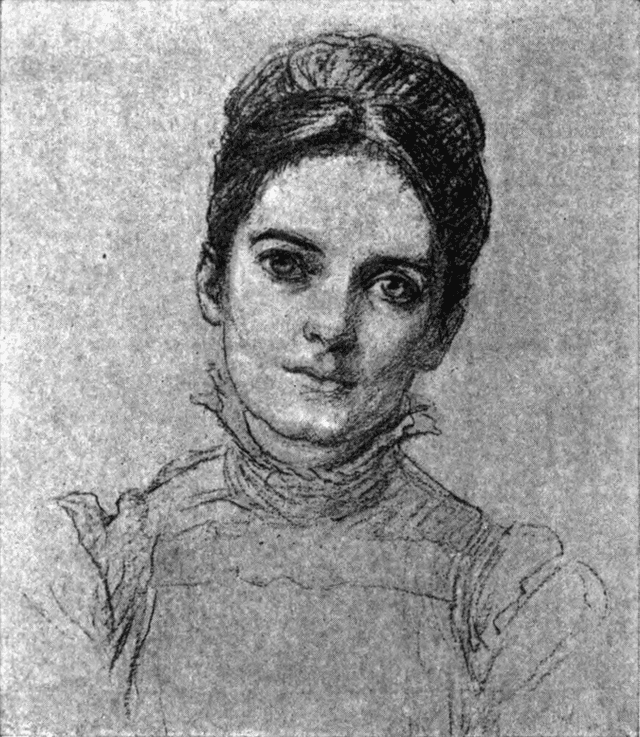
A. Mary F. Robinson
A. Mary F. Robinson was a notable British poet and novelist whose work often explored themes of identity, gender, and the complexities of human relationships. Born in 1857, she was part of the vibrant literary scene of the late Victorian and early Edwardian periods. Robinson's poetry was characterized by its lyrical quality and emotional depth, often reflecting her own experiences and the societal constraints placed upon women. Her notable works include the poetry collections "The Poet's Wife" and "The New Arcadia," which showcased her innovative use of form and her ability to convey profound sentiments with clarity and grace. In addition to her poetry, Robinson was an accomplished novelist, with works such as "The Open Door" and "The Heart of a Woman" that delved into the lives of women navigating the challenges of their time. Her writing often challenged traditional gender roles and offered a nuanced perspective on women's experiences in a rapidly changing society. Robinson's literary significance lies not only in her contributions to poetry and fiction but also in her role as a precursor to later feminist writers. Her legacy continues to inspire contemporary readers and writers who seek to understand the complexities of women's lives and voices in literature.
Famous Quotes
View all 1 quotes“WITH THE APPROACH OF THE thirteenth century, the world awoke from its long and dreamless sleep. Then began the age of faith, the miraculous century, starving for lack of bread and nourished upon heavenly roses. St. Louis and St. Elizabeth, Dominic the eloquent and the fiery Bonaventura, Thomas Aquinas and Francis the glorioso poverello di Dio,””
Books from the author




Link to this page
Add a free, dofollow link to Lex on your blog, forum, syllabus, or reading list.

<a href="https://lex-books.com/author/a-mary-f-robinson"><img src="https://lex-books.com/badges/read-on-lex.svg" alt="A. Mary F. Robinson on Lex" width="160" height="40"></a>[](https://lex-books.com/author/a-mary-f-robinson)[url=https://lex-books.com/author/a-mary-f-robinson][img]https://lex-books.com/badges/read-on-lex.svg[/img][/url]A. Mary F. Robinson on Lex: https://lex-books.com/author/a-mary-f-robinson