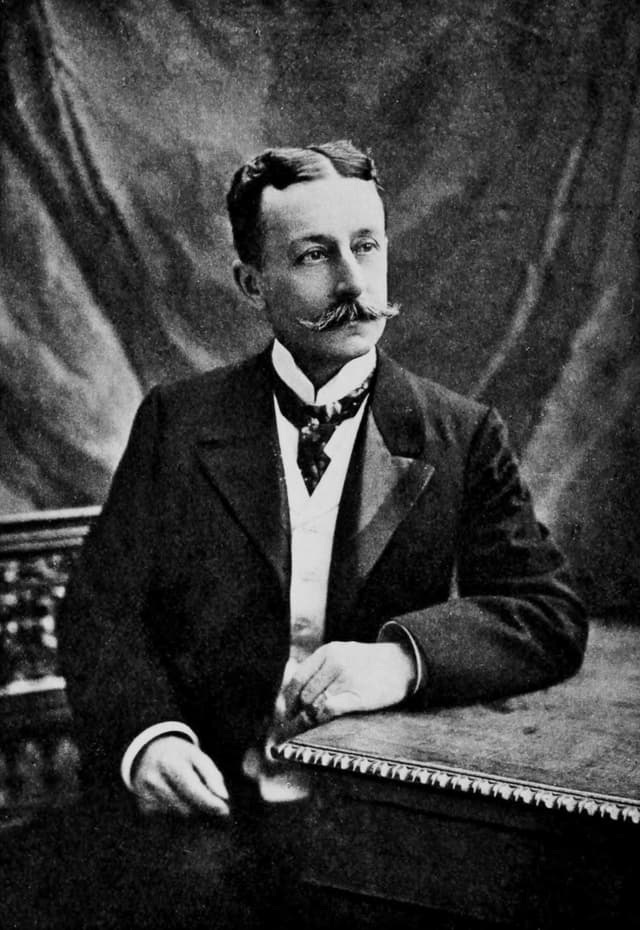
René Bazin
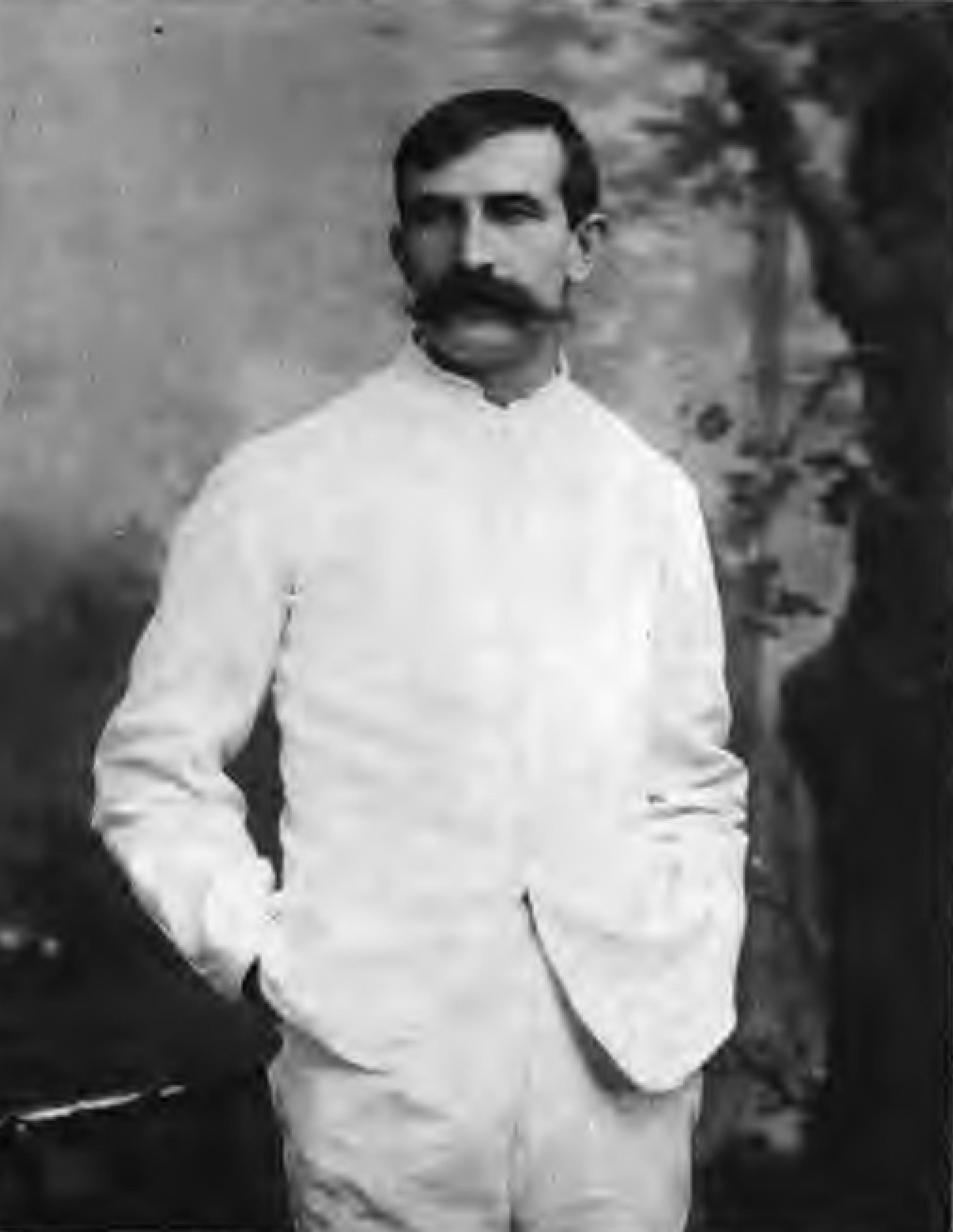
René Bazin was a French novelist and a prominent figure in the literary landscape of the late 19th and early 20th centuries. Born in Angers, he was deeply influenced by the rural life of the Loire Valley, which became a recurring theme in his works. Bazin's writing often reflected his interest in the complexities of human relationships and the moral dilemmas faced by individuals in society. His notable works include 'La Terre qui se dérobe' (The Earth That Gives Way), which explores the struggles of rural life and the impact of modernization, and 'Les Oberlé', a novel that delves into the themes of love, sacrifice, and the clash between tradition and progress. Through his narratives, Bazin captured the essence of his time, portraying the tension between the old and the new in a rapidly changing France. Bazin was not only a novelist but also a critic of social issues, advocating for the preservation of rural values in an increasingly industrialized world. His literary significance lies in his ability to blend realism with a deep emotional resonance, making his characters relatable and their struggles poignant. As a member of the Académie Française, Bazin's contributions to literature were recognized and celebrated, solidifying his legacy as a key figure in French literature. His works continue to be studied for their rich depiction of human experience and their insightful commentary on the societal changes of his era.
Famous Quotes
View all 1 quotes“les attendent en foule à l’entrée de la jeunesse. Les philosophes chrétiens ont résolu depuis si longtemps, si clairement, tant de questions que chaque jeune homme se pose fiévreusement, sans se douter que la réponse existe, lumineuse et limpide, à deux pas de lui. »””
Books from the author
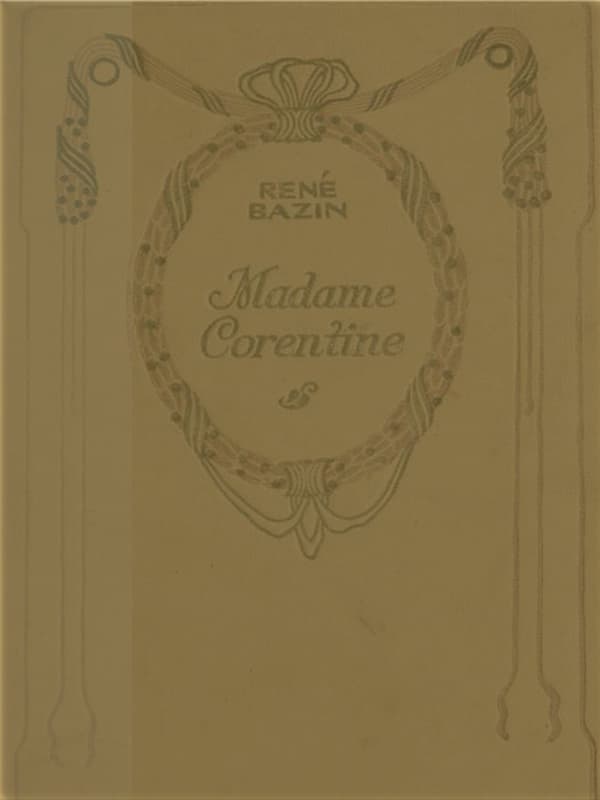
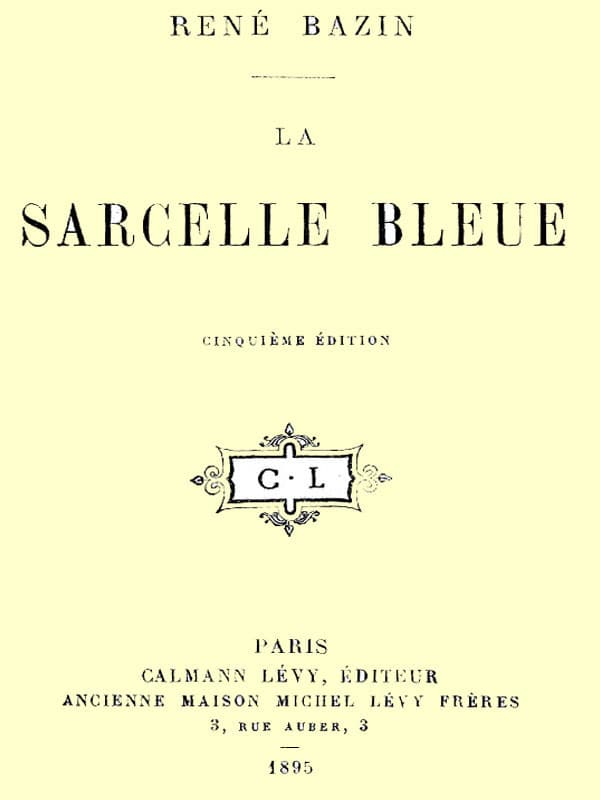
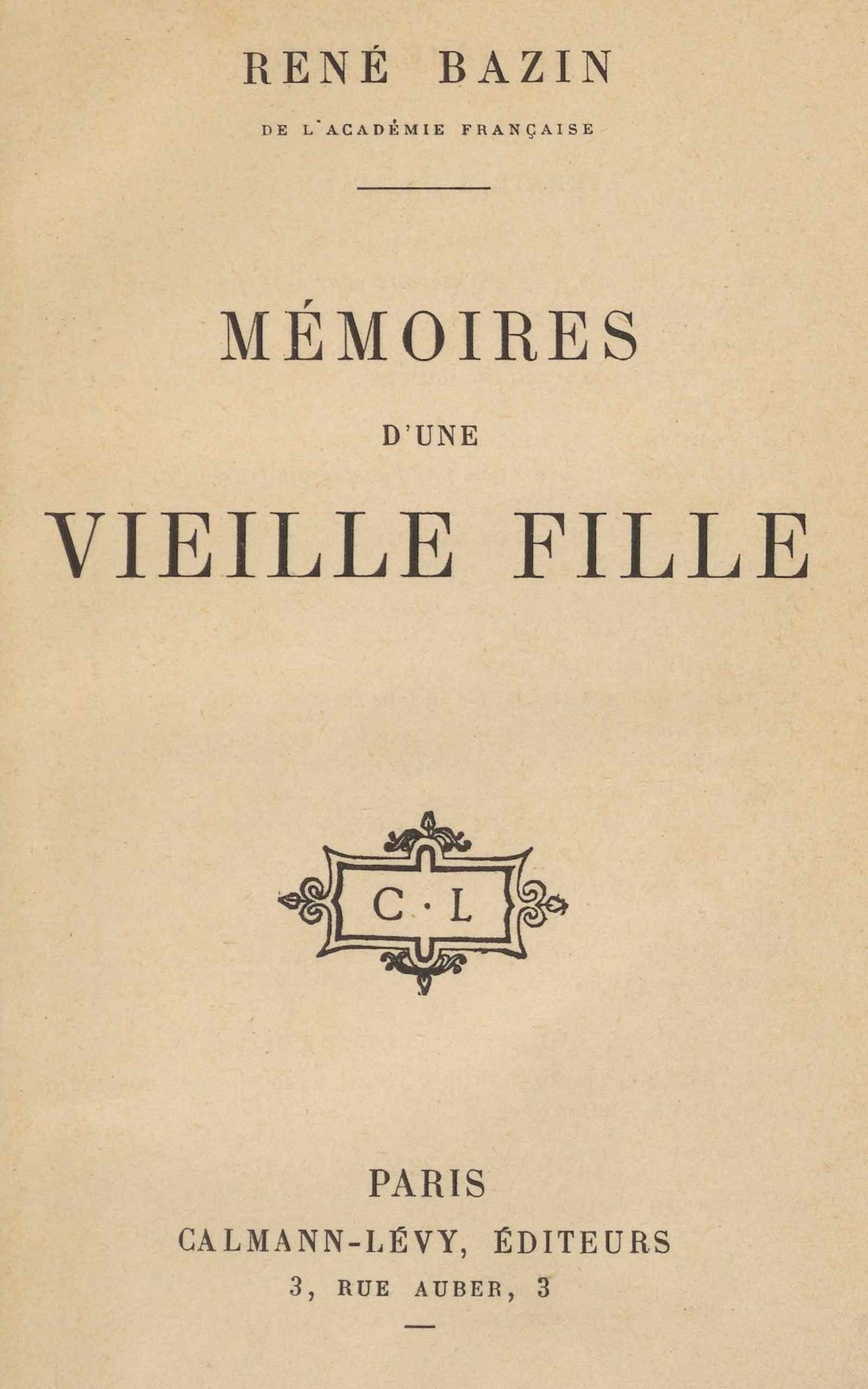






Link to this page
Add a free, dofollow link to Lex on your blog, forum, syllabus, or reading list.

<a href="https://lex-books.com/author/rené-bazin"><img src="https://lex-books.com/badges/read-on-lex.svg" alt="René Bazin on Lex" width="160" height="40"></a>[](https://lex-books.com/author/rené-bazin)[url=https://lex-books.com/author/rené-bazin][img]https://lex-books.com/badges/read-on-lex.svg[/img][/url]René Bazin on Lex: https://lex-books.com/author/rené-bazin