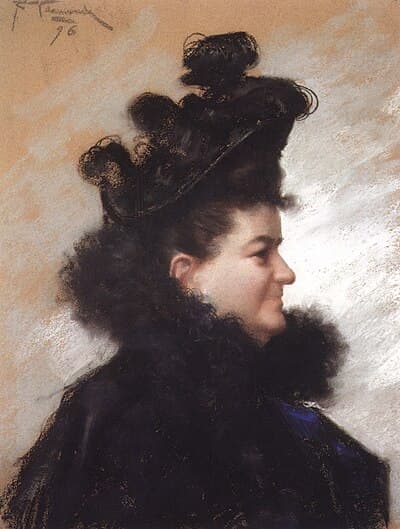
Emilia, condesa de Pardo Bazán
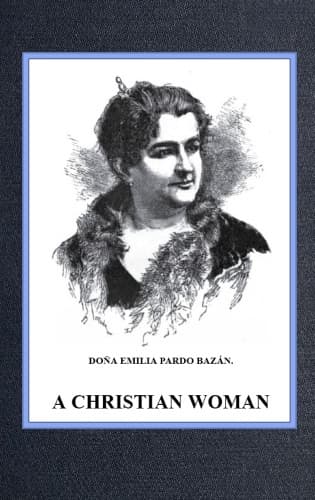
Emilia Pardo Bazán was a prominent Spanish novelist, essayist, and feminist who played a crucial role in the introduction of naturalism to Spanish literature. Born into a noble family in Galicia, she was educated in a progressive environment that allowed her to cultivate her literary talents. Pardo Bazán's works often explored themes of gender, social class, and the human condition, reflecting her keen observations of society and her advocacy for women's rights. Her most notable works include 'Los Pazos de Ulloa,' a naturalistic novel that delves into the decline of the Galician aristocracy, and 'La madre naturaleza,' which examines the interplay between environment and character in a vivid narrative style. As a literary figure, Pardo Bazán was not only a pioneering voice for women in literature but also an influential critic who championed the works of contemporary authors, including Émile Zola. Her contributions to literature and her efforts to promote women's education and rights have left a lasting legacy in Spanish culture. Pardo Bazán's work continues to be studied for its innovative narrative techniques and its bold exploration of social issues, marking her as a significant figure in the evolution of modern Spanish literature.
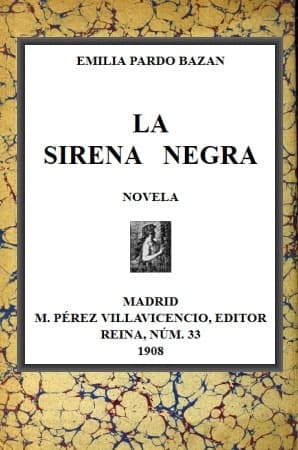
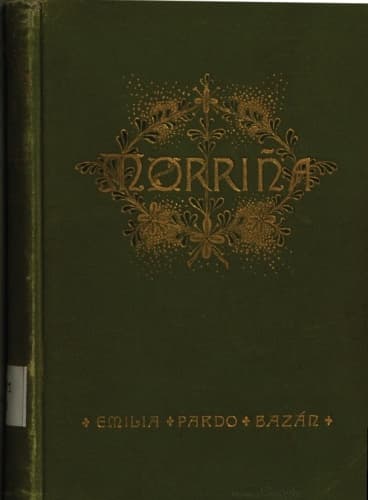
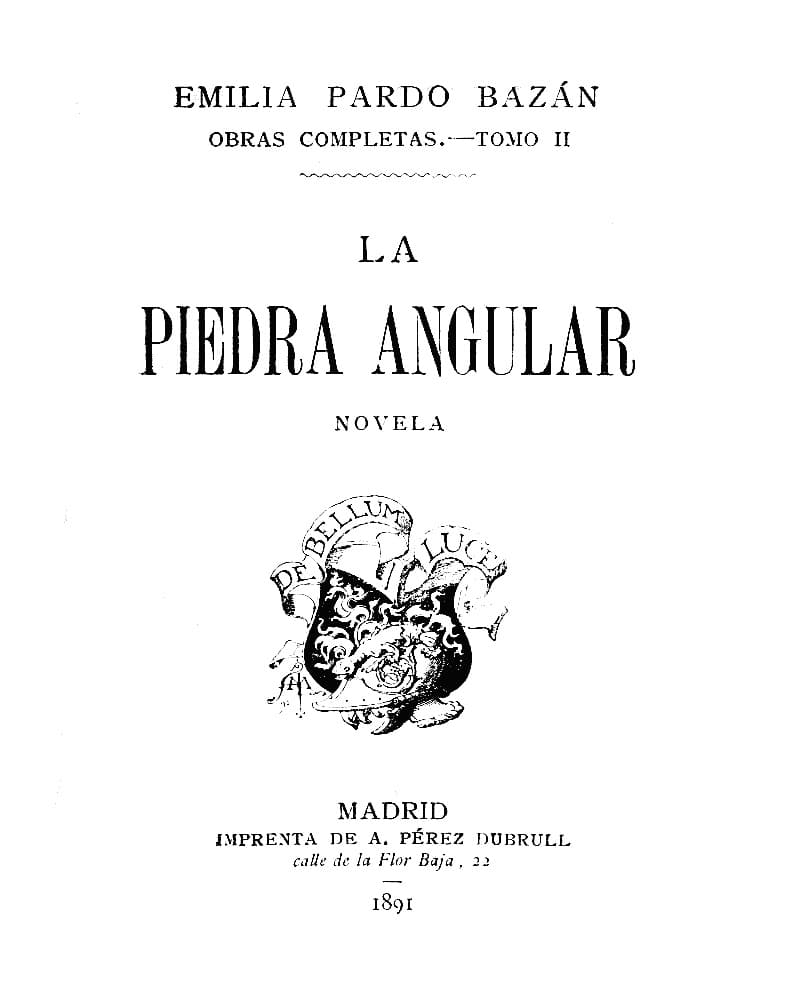
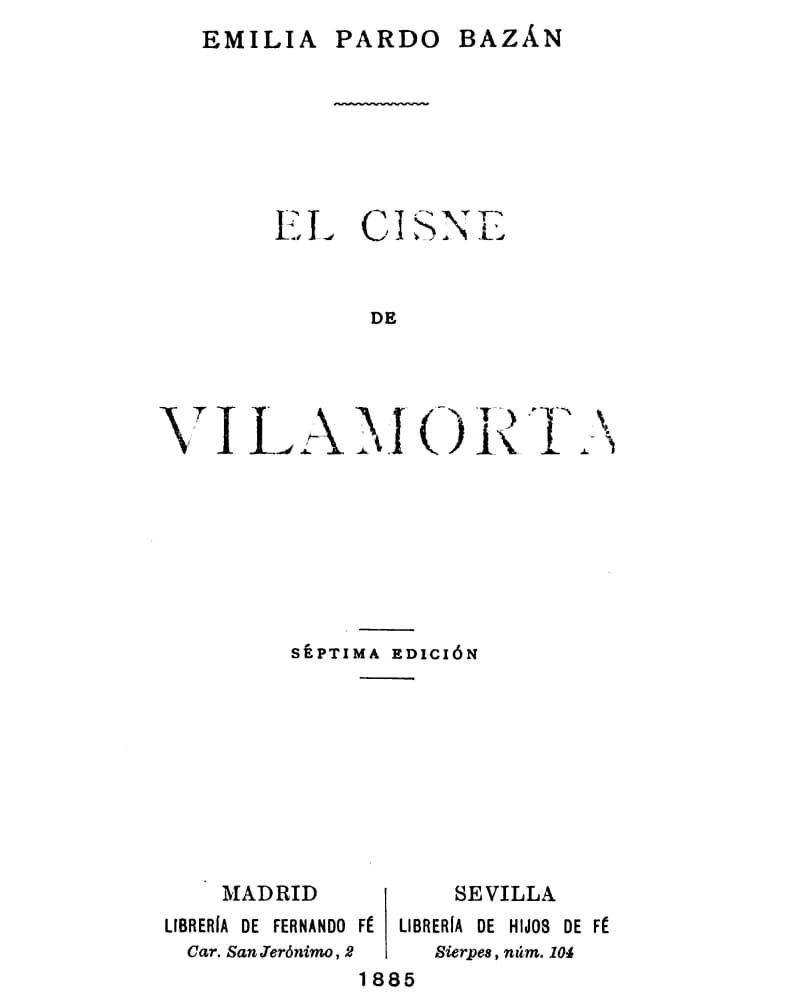
Books from the author
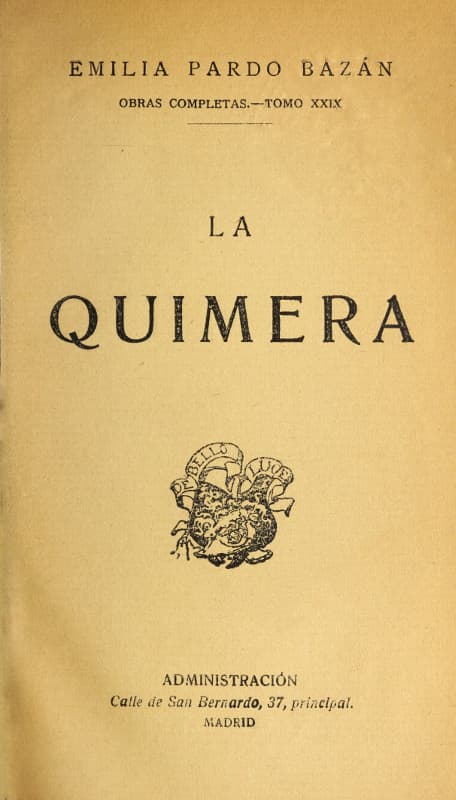
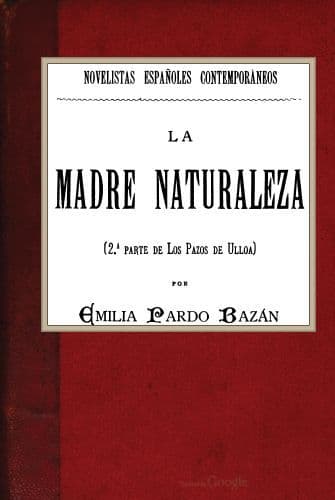



Link to this page
Add a free, dofollow link to Lex on your blog, forum, syllabus, or reading list.

<a href="https://lex-books.com/author/emilia-condesa-de-pardo-bazán"><img src="https://lex-books.com/badges/read-on-lex.svg" alt="Emilia, condesa de Pardo Bazán on Lex" width="160" height="40"></a>[](https://lex-books.com/author/emilia-condesa-de-pardo-bazán)[url=https://lex-books.com/author/emilia-condesa-de-pardo-bazán][img]https://lex-books.com/badges/read-on-lex.svg[/img][/url]Emilia, condesa de Pardo Bazán on Lex: https://lex-books.com/author/emilia-condesa-de-pardo-bazán