
A. C. Bradley
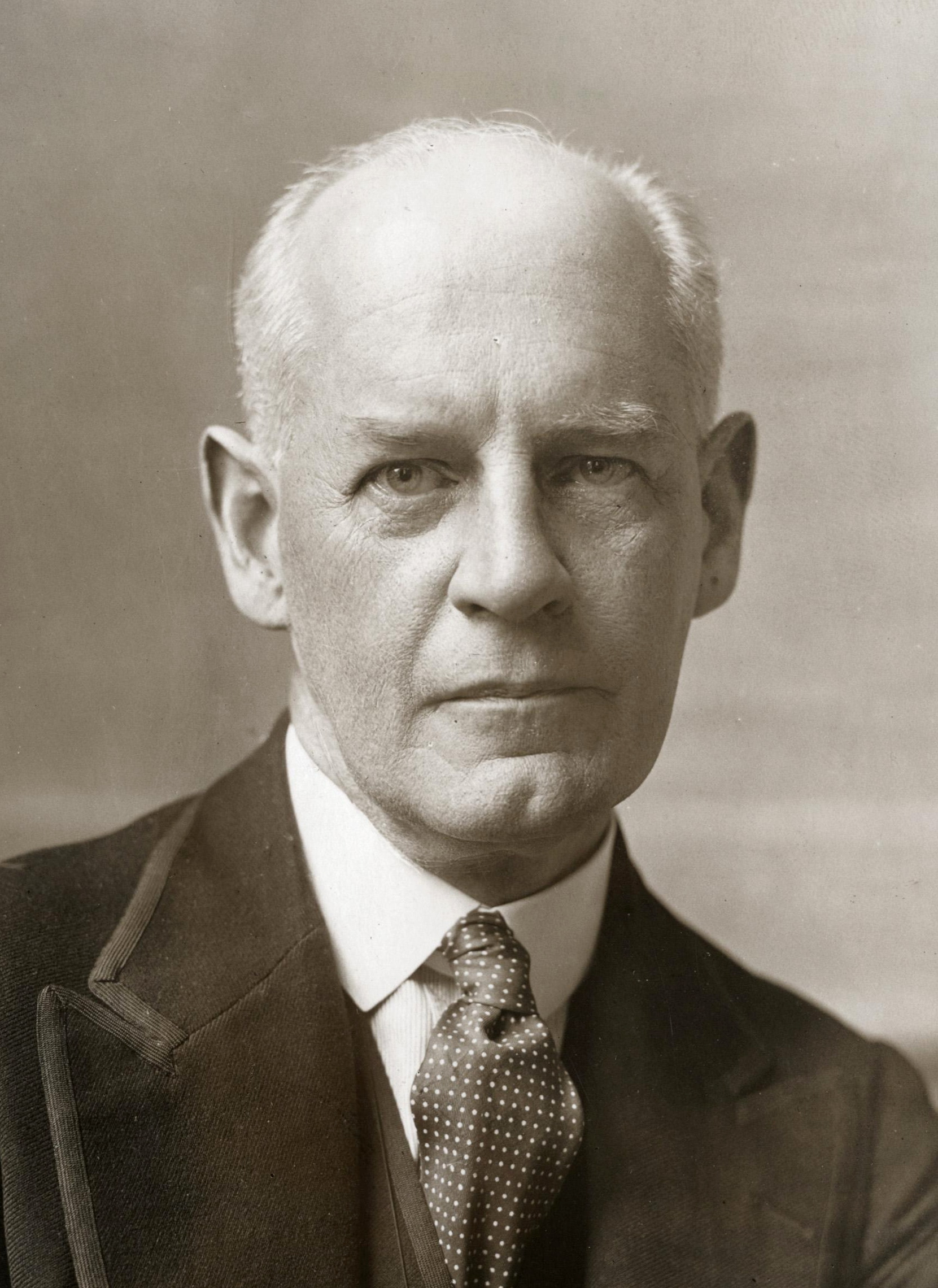
A. C. Bradley was a prominent English literary scholar and critic, best known for his influential work on Shakespeare. Born in 1851, he was educated at Oxford, where he developed a deep appreciation for literature and the dramatic arts. His scholarly contributions, particularly 'Shakespearean Tragedy,' published in 1904, established him as a leading authority on the Bard. In this seminal work, Bradley introduced the concept of the tragic hero, analyzing the psychological depth and moral complexity of Shakespeare's characters, which has since shaped the study of Shakespearean drama. Bradley's legacy extends beyond his literary critiques; he played a significant role in the broader field of literary criticism in the early 20th century. His insights on the emotional and philosophical dimensions of tragedy influenced not only Shakespeare studies but also the interpretation of drama as a whole. He was also a gifted lecturer, known for his engaging style that captivated audiences. A. C. Bradley's work continues to be a cornerstone in the study of Shakespeare, reflecting his enduring impact on literary scholarship and the understanding of tragedy in literature.
Famous Quotes
View all 13 quotes“Jane Austen, who is said to be Shakespearian, never reminds us of Shakespeare, I think, in her full-dress portraits, but she does so in characters such as Miss Bates and Mrs. Allen.””
“I pity, approve, respect, admire her, but I neither desire her company, nor am greatly concerned about her destiny, and she makes me impatient at moments when I doubt if she was meant to.””
“His fate affects the welfare of a whole nation or empire; and when he falls suddenly from the height of earthly greatness to the dust, his fall produces a sense of contrast, of the powerlessness of man, and of the omnipotence”
Books from the author















Link to this page
Add a free, dofollow link to Lex on your blog, forum, syllabus, or reading list.

<a href="https://lex-books.com/author/a-c-bradley"><img src="https://lex-books.com/badges/read-on-lex.svg" alt="A. C. Bradley on Lex" width="160" height="40"></a>[](https://lex-books.com/author/a-c-bradley)[url=https://lex-books.com/author/a-c-bradley][img]https://lex-books.com/badges/read-on-lex.svg[/img][/url]A. C. Bradley on Lex: https://lex-books.com/author/a-c-bradley